Key Takeaways
- Audit everything first: site design, content quality, security integrity, and keyword relevance before attempting any revival steps.
- Understand major Google changes like Helpful Content, Core Web Vitals, AI Overviews, and E-E-A-T before relaunching.
- Check for manual penalties and algorithmic demotions in Search Console; unaddressed issues will undermine all other revival efforts.
- Launch with a strong content library ready, a maintainable editorial calendar, and distribution across email and social channels.
- Re-engage old mailing lists carefully after cleaning them, and pursue influencer outreach and guest posting to rebuild authority.
The internet is littered with the corpses and shells of old websites. Many disappear entirely. Some persist as parked domains. Some still have enough attention to keep the bills paid, the lights on. But no one home. A Pew Research Center study found that a quarter of all webpages that existed between 2013 and 2023 are no longer accessible. That number is climbing.
Maybe you own one of the old shells. Maybe you're looking to buy a website on the cheap, something with potential that you can breathe life into. Maybe your site just fell out with the times and you'll have to readjust to keep up with a web that has been radically influenced by artificial intelligence, new search behaviors, and an increasingly competitive content landscape.
Whatever the cause, whatever the reason, you have a dead site and you want to bring it back to life. What can you do, what should you do, to pick up the pieces and get back in business? The stakes are real: unrefreshed content can drop from roughly 2,500 to just 1,600 monthly visits within six months of going stale. But done right, a full site revival can drive organic traffic up by around 20% year-over-year within just three months of relaunch.
Step 1: Audit Existing Resources and Competition
The first thing you need to do is perform a total audit of, well, everything. Depending on how long the site has been dead, quite a bit may have changed. You may have content that's now irrelevant or actively penalized. You might run into stiff competition in a niche that has exploded in popularity since you abandoned it. Let's talk about what you should be looking at.
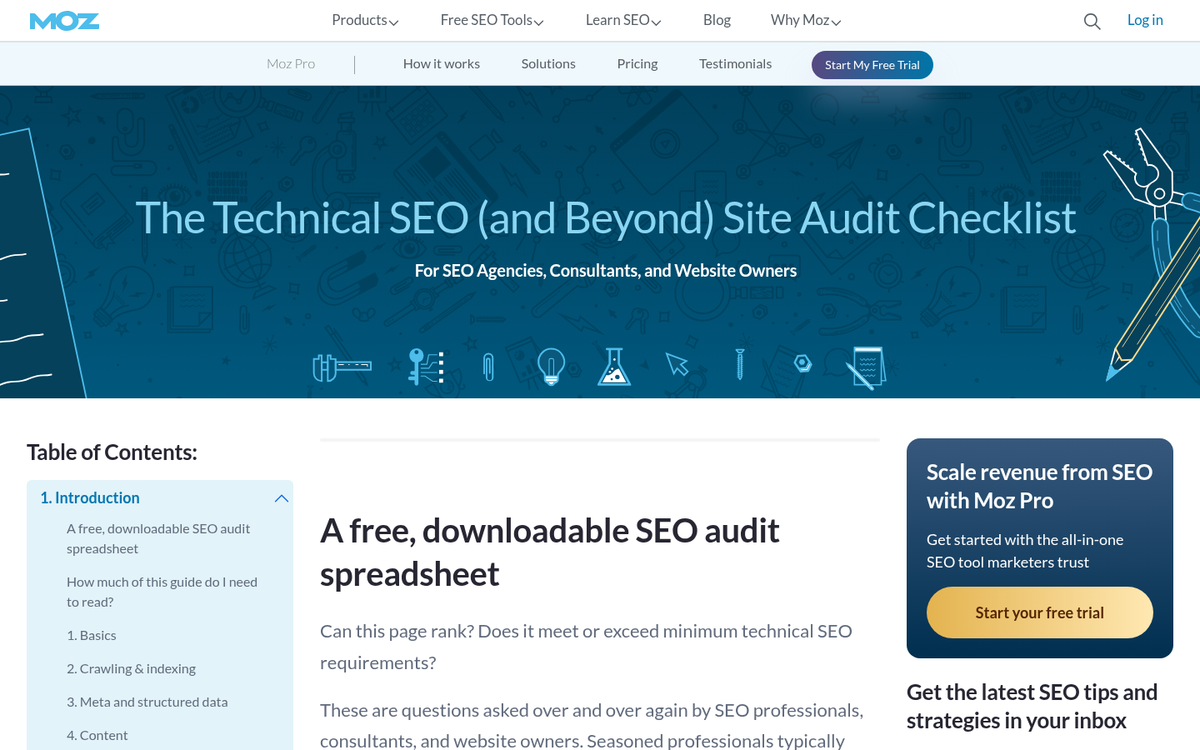
- Your site design and branding. Are you keeping your branding, or did you rebrand? Is the site coded properly, or is it running slow, outdated technology and software that hasn't been touched in years? With Core Web Vitals now a firm ranking factor, performance issues can sink you before you even start.
- Your content. Does the content on the site hold up as something genuinely valuable today? Does it have existing quality backlinks? What do the meta titles and descriptions look like? More importantly, has AI-generated content flooded your niche and pushed the bar for quality even higher?
- Your site integrity. It is entirely possible that in the time since you last checked in, your site was hacked or quietly injected with spam. Check thoroughly for strange files, pages, or redirect scripts you didn't put there.
- Your topic, focus, and keywords. Your industry has no doubt changed dramatically. Who are the major players now? What keywords, tools, and technologies are people searching for? Has AI reshaped the conversation in your niche, the way it has in virtually every niche?
Finally, figure out what sort of budget you're working with for the revamp. A bigger budget gives you more room to hire web designers, writers, and developers. But even a modest budget, spent wisely, can get a dead site back on its feet.
Step 2: Familiarize Yourself with Modern Web Standards
You can skip this step if you've been actively running websites and are basically reviving one that went dormant. But if you stepped away from web publishing for a few years, you have a lot of catching up to do - and the difference between 2020 and 2026 is bigger than you might expect.
On the technical side, you'll want to make sure your site is built on a modern, well-maintained framework. WordPress remains dominant and has continued to evolve. But the ecosystem around it has changed. Page builders, block-based editing, and performance-focused hosting have all matured. Speed and Core Web Vitals are not optional things anymore; they directly affect your rankings.
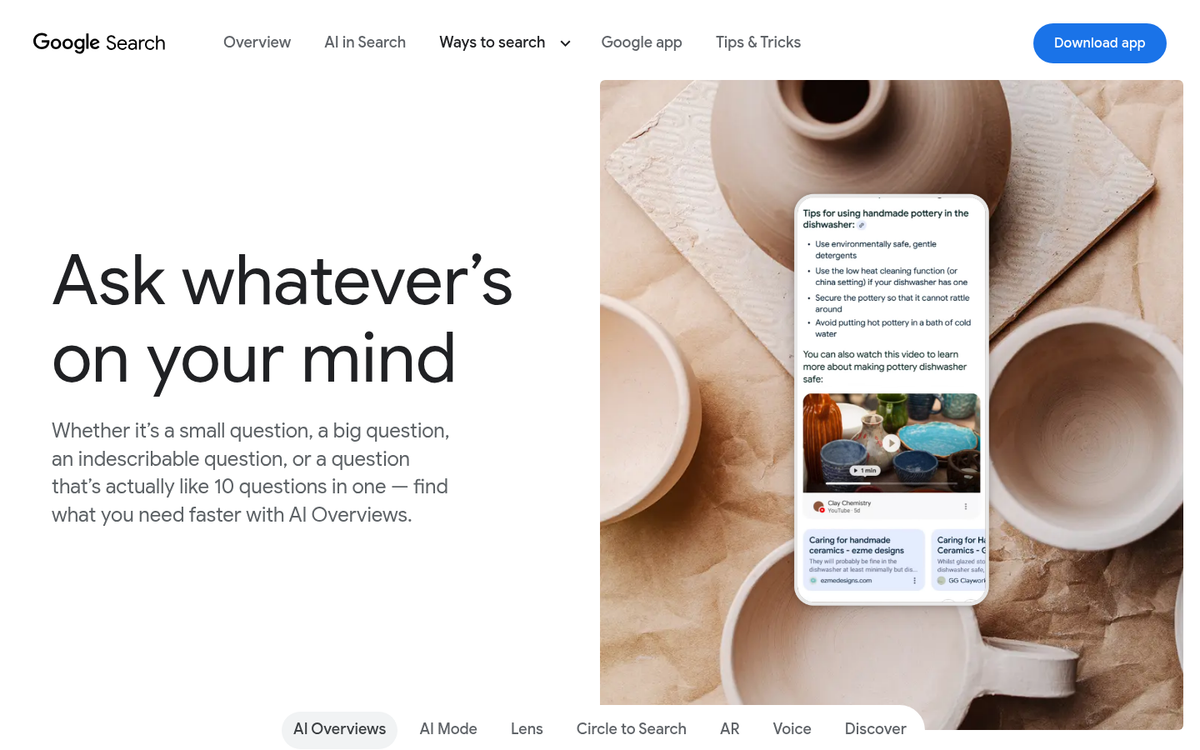
On the SEO side, the biggest change you'll need to understand is the rise of AI in search. Google's AI Overviews (formerly Search Generative Experience) now appear at the top of a large portion of search results, summarizing answers directly on the results page - this has changed click-through behavior significantly, and it means that ranking on page one is not the same guarantee of traffic it once was. Approximately 75% of searchers still find their answer on the first page. But more of them are now finding it without ever clicking through to a site at all.
Key Google updates and changes you'll need to know include:
- The Helpful Content System, which replaced much of the old Panda-era thinking and now runs continuously as part of Google's core ranking system. It explicitly targets content written to rank rather than content written to genuinely help people, and it has hit countless sites hard since its rollout and subsequent expansions.
- Core Web Vitals, Google's set of performance metrics covering loading speed, interactivity, and visual stability. These are now confirmed ranking signals and affect both desktop and mobile results.
- AI Overviews, Google's generative AI summaries that appear above traditional results for a growing share of queries. Understanding how to optimize for inclusion in these, and how they affect traffic expectations, is now a core part of modern SEO strategy.
- The 2024 and 2025 Core Updates, which continued Google's aggressive campaign against low-quality, thin, and AI-generated-for-the-sake-of-it content. Sites that survived earlier updates were sometimes caught by later ones. Read the history carefully.
- E-E-A-T (Experience, Expertise, Authoritativeness, and Trustworthiness), which is now the dominant quality framework Google uses to evaluate content and the people and sites that produce it. If your old site had no clear author identity or demonstrated expertise, that needs to change.
Also make sure your site is running HTTPS with a valid SSL certificate - this has been a ranking factor for years now, and any site without it will also trigger browser security warnings that kill user trust instantly.
Step 3: Check for Existing Search Penalties
There are two types of problems to look for.
The first is a manual action, which is a penalty applied by a Google reviewer. Log into Google Search Console and check the Manual Actions report. If there's a manual action on your site, you'll need to resolve the underlying issue and submit a reconsideration request before anything else you do will have much effect.
The second type is an algorithmic demotion, which is harder to diagnose but arguably more common. These are not penalties in a formal sense; they are essentially the result of your site no longer meeting the standards of Google's latest algorithms. The Helpful Content System, for example, can apply a sitewide signal that suppresses your content if enough of it is deemed unhelpful. There's no notification. Your traffic just disappears.

To investigate this, cross-reference your historical traffic data in Search Console or Google Analytics against known update dates. Tools like Semrush's Sensor or Accuranker's Google Grump can help you correlate traffic drops to algorithm events. If your site was idle during these periods, the picture will be murkier. But you should still go through the exercise so you understand what you're dealing with.
Remember that page-one content in competitive spaces in 2026 is usually content that has been updated within the last two years. If your content is older than that and hasn't been touched, you're already behind on the algorithm side regardless of whether a formal penalty exists. Learning how to rewrite and refresh older blog posts can make a significant difference in recovering lost visibility.
Step 4: Prepare a Site Redesign, if Necessary
The bar for what looks professional and functions well has continued to rise, and a dated design signals to users and search engines that the site is not being actively maintained.
At minimum, run all available system updates. If you're on WordPress, update the core, your theme, and every plugin. Remove any plugins that are no longer maintained or that have known security vulnerabilities. Check your PHP version and make sure your hosting environment meets current standards.
Beyond the basics, consider the following:
- Your site must be fully responsive. This is not optional. Google uses mobile-first indexing, which means the mobile version of your site is the version it primarily evaluates. If your site doesn't perform well on a phone, it won't perform well in rankings.
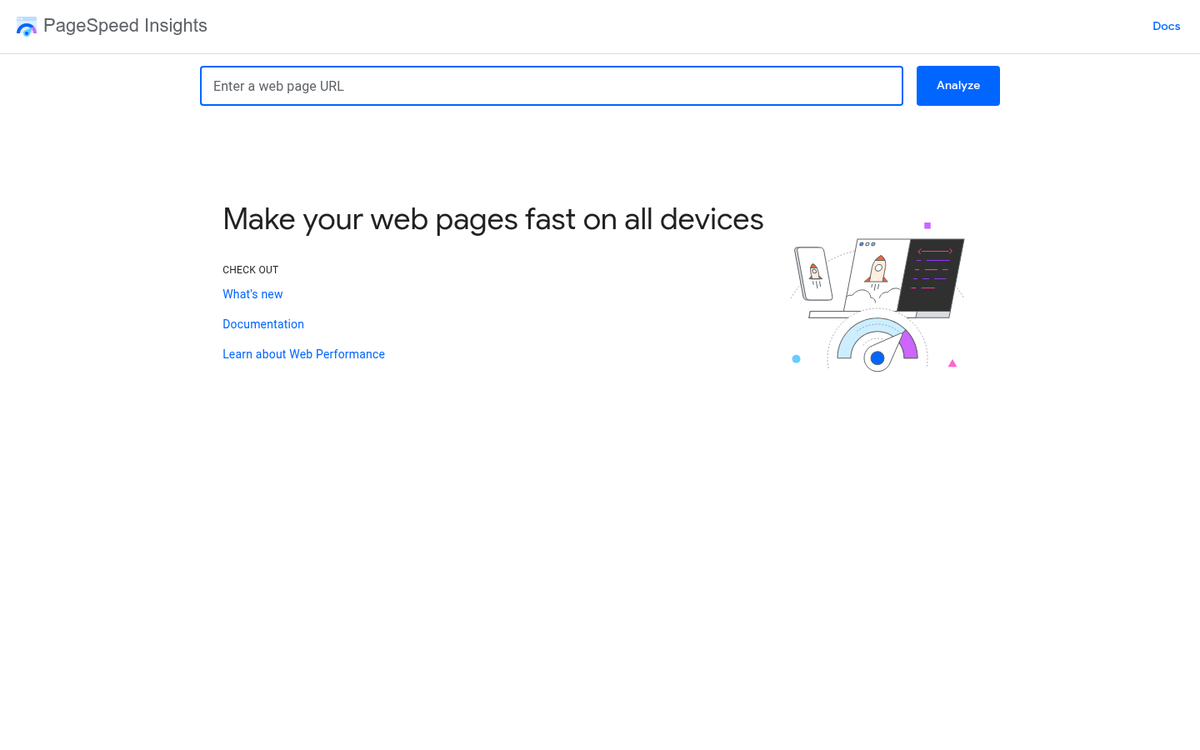
- Your Core Web Vitals scores need to be green. Use Google's PageSpeed Insights tool to evaluate your Largest Contentful Paint, Interaction to Next Paint, and Cumulative Layout Shift scores. Address any issues before you relaunch.
- Your design needs to build trust. With AI-generated content flooding the web, users are more skeptical than ever. A clean, professional design with clear authorship, about pages, and contact information goes a long way toward establishing the legitimacy that both users and Google are now actively looking for.
If you need to bring in a web designer or developer, shop around instead of defaulting to whoever you worked with years ago. You want someone who is actively building sites in 2026 and is fluent in current performance standards and best practices.
Step 5: Start Building Hype
Once your groundwork is taking shape, start building anticipation for your relaunch. Set a firm launch date at least a few weeks out and use the lead-up time to create visibility and expectation around your return.
Put up a simple coming-soon or relaunch landing page with an email opt-in. Give people a reason to sign up - early access, a free resource, exclusive content - something that makes subscribing feel worthwhile. This list will be one of your most valuable assets on launch day.
Use your social media presence, however modest, to tease the relaunch. Short-form video on platforms like Instagram Reels, TikTok, and YouTube Shorts has proven to be an effective way to build an audience faster even from a standing start. A few behind-the-scenes clips about what you're building and why can generate genuine interest at relatively low cost.
As for your old content, be selective. Only make pages publicly accessible during this pre-launch period if they are still legitimately helpful and accurate. Everything else should be either updated before it goes live again or kept offline until it's ready. Relaunching with a site full of outdated, low-quality content will undermine everything else you're doing.
Step 6: Invest in New, Fresh Content
New content is the core of your entire revival effort. No amount of technical cleanup or redesign work will overcome a thin or stale content library. You need new, legitimately valuable content, and you need enough of it to give the site substance on day one.

First-person information, original research, examples, and author credentials are all signals that Google now weighs heavily. Generic, templated content - even if it's well-written - is increasingly being filtered out of competitive search results.
A few things to prioritize:
- Create one genuinely outstanding cornerstone piece. This might be an in-depth guide, an original data study, an expert roundup, or a comprehensive resource that doesn't exist anywhere else in quite the same form. This is the piece you point to, the one you use in your outreach, the one that earns links and demonstrates authority. Put serious time into it.
- Stock your blog before launch. Don't launch with three posts and a promise to publish more. Have a meaningful library ready to go so that visitors who land on your site have somewhere to go and reasons to stay. Check out these tips to make your blog posts more effective before you publish.
- Build a publication schedule you can actually maintain. Consistent publishing is more valuable than sporadic bursts. A realistic editorial calendar of one or two strong posts per week beats ten posts in week one followed by silence.
- Be strategic about AI tools. AI writing tools can accelerate your workflow, but publishing raw or lightly edited AI output is a risk. Google has become increasingly effective at identifying content that lacks genuine human insight, and the sites getting hit hardest by recent core updates are those that leaned too heavily on AI generation without adding real expertise or original perspective. These expert tips for bloggers and content marketers can help you strike the right balance.
Step 7: Build a Content Calendar and Marketing Plan
The number one cause of failure in a website relaunch is generating strong early momentum and then letting it collapse because there was no plan for what comes after. A content calendar is your single most important organizational tool for making sure that doesn't happen to you.
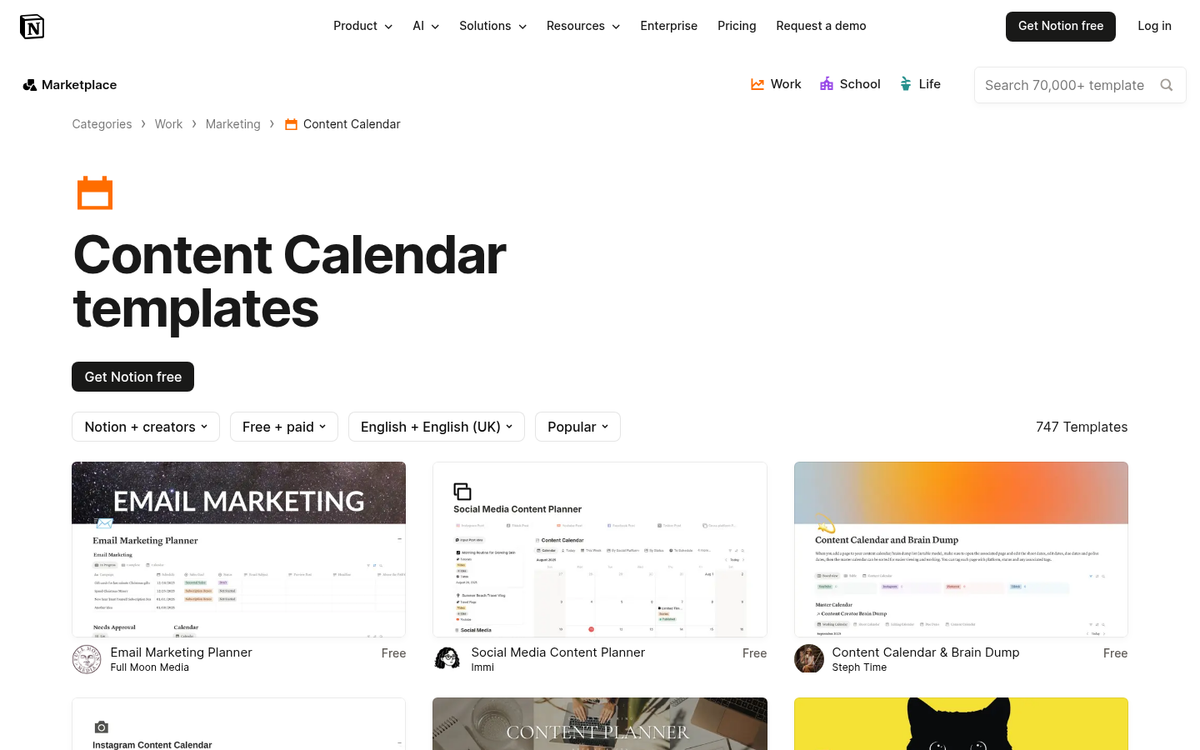
Your content calendar should map out what you're publishing, when you're publishing it, who is responsible for creating it, and what stage of completion each piece is at at any given time. It should extend at least three months past your launch date so you're never scrambling to fill the schedule at the last minute.
Alongside your content calendar, build out a distribution and marketing plan. In 2026, organic search alone is a slower and less reliable growth channel than it once was, and that's especially true in the months immediately following a relaunch when your authority is still being re-established. You need to be actively distributing your content through multiple channels:
- Email remains one of the highest-ROI channels available. Every piece of content you publish should go to your list. Build that list aggressively from day one.
- Social media has fragmented considerably. Rather than trying to maintain a presence everywhere, pick one or two platforms where your target audience is most active and commit to those. Short-form video continues to outperform static posts on most platforms.
- Community participation in relevant forums, subreddits, Slack groups, Discord servers, and LinkedIn communities can drive targeted traffic and build relationships that pay off in links and shares over time.
- Content syndication and republishing on platforms like LinkedIn Articles or Medium, with canonical tags pointing back to your original content, can extend your reach during the period when your site's authority is still rebuilding.
Step 8: Contact Your Old Mailing List
If you had a mailing list attached to your old site, it has almost certainly degraded by now. Email addresses go stale, inboxes get abandoned, and subscribers who signed up years ago may have no memory of who you are. That said, there's value worth salvaging here, and the effort is worthwhile.
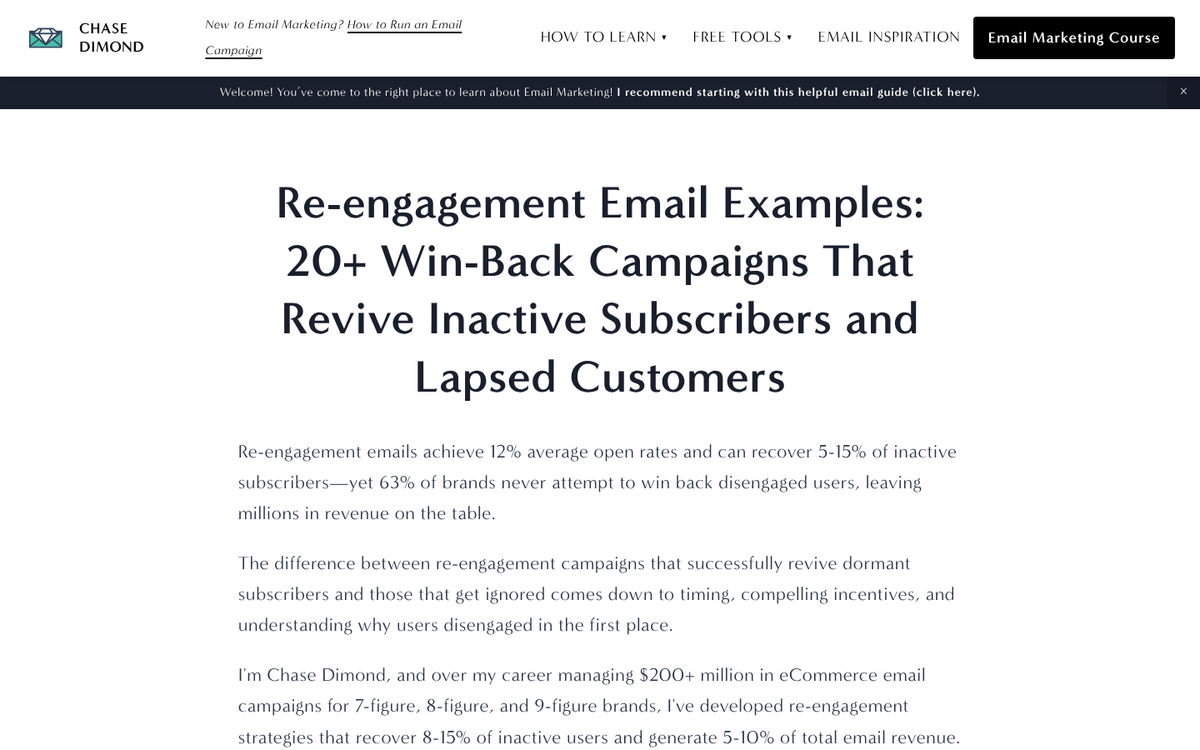
Clean the list aggressively before you send anything. Run it through an email verification service to remove hard bounces and known-bad addresses. Then send a single re-engagement message that's honest, direct, and brief. Acknowledge the gap. Tell them what's coming. Give them a reason to stay subscribed. Anyone who doesn't open that message within a reasonable window should be removed. A small, engaged list is dramatically more valuable - and less damaging to your sender reputation - than a large, cold one.
Whatever subscribers you recover from your old list, treat them as the foundation you're building on - not the finished product. You'll be adding to this list aggressively through your new content, your launch landing page, and your standard lead magnets.
Step 9: Contact Influencers and Collaborators
Strategic outreach to relevant voices in your industry is one of the highest-value things you can do around a relaunch. You want to get your relaunch in front of audiences that are already engaged and relevant.

Identify people in your space who are active, respected, and not direct competitors. This might include bloggers, newsletter writers, podcast hosts, YouTubers, or industry figures with strong social followings. Reach out personally and specifically - not with a mass template - and give them a genuine reason to care about what you're building.
Specific approaches that work well around a relaunch:
- Guest posting on established sites in your niche. This builds both links and brand awareness. Be ready to pitch strong, specific ideas rather than generic offers to write something. Keep in mind the ethics around paid guest posts as you navigate these conversations.
- Podcast appearances. If you have a strong story or expertise to share, pitching yourself as a podcast guest is one of the most effective ways to build authority and reach new audiences.