





Key Takeaways
- Medium attracts 85-100 million monthly users, with 53% earning over $100,000 annually, making it ideal for professional-focused content.
- Partner Program earnings depend on paying subscribers reading your post for 30+ seconds; search and email traffic earn at higher rates.
- Posts in the 5-8 minute read range tend to perform best; longer pieces risk losing readers before hitting the engagement threshold.
- Rotating three call-to-action types (light, medium, heavy) prevents reader blindness while giving you consistent conversion testing opportunities.
- Submitting content to existing publications exposes your writing to established audiences, accelerating growth faster than building from scratch alone.
Medium is an interesting blogging platform, similar to WordPress.com or Substack. But instead of allowing disparate sites on the same network, it lumps everything together under the Medium banner. You don't get your own personal logo or branding or theme. At the top of every blog is the Medium logo, the category of the post and the navigation for Medium.
This means you have less individuality than you would by creating a blog on another platform. Yet, at the same time, you might have more power and exposure, because people use Medium more like they would use a site like Forbes or The Atlantic. People come to read the trending, popular stories, regardless of author.
Unlike sites like Forbes, you don't need to have credentials or pass an interview to be a writer - it's trivial to register an account, it takes a couple of minutes to fill out the information in your profile, and then you're ready to start writing. So what does it take to be successful on Medium?
Essential Stats
Medium was founded by Evan Williams, one of the co-founders of Twitter - it launched in 2012 and has grown substantially since then. The platform currently attracts between 85-100 million monthly active users and it gives writers a large built-in audience from day one. Traffic comes primarily from the US, India, Japan, the UK and France.
The audience skews heavily professional and affluent: 53% of Medium readers earn over $100,000 per year, which makes it an especially helpful platform if your content targets professionals, entrepreneurs, or decision-makers.
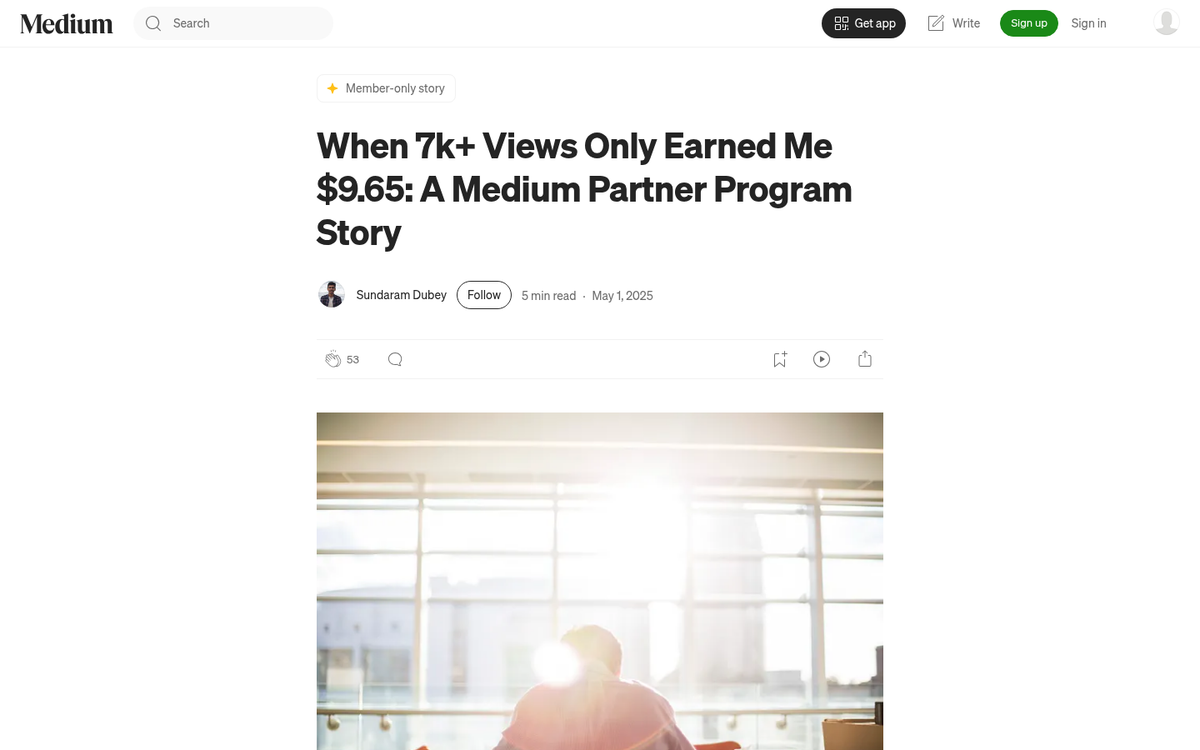
Medium also runs a Partner Program which lets writers earn money based on engagement from paying members. A Medium subscription costs $5/month or $50/year. Since the Partner Program launched in 2017, writers have collectively earned over $28 million. In 2020 alone, Medium paid out more than $11 million, with the top single post earning $16,700. Currently, around 70% of Partner Program authors earn some money, though the share earning $100 or more per month has declined slightly over time, sitting at roughly 6.4%.
One nuance that matters: a "member read" - the metric that actually drives earnings - is only counted when a paying subscriber reads or listens to your post for 30 seconds or more. Chasing raw views without genuine engagement won't move the needle on your earnings - it's also worth knowing that reads coming from search engines and email notifications tend to earn at a higher rate than standard feed reads, so SEO and building a follower base matter more than they might appear to.
Crucial Information
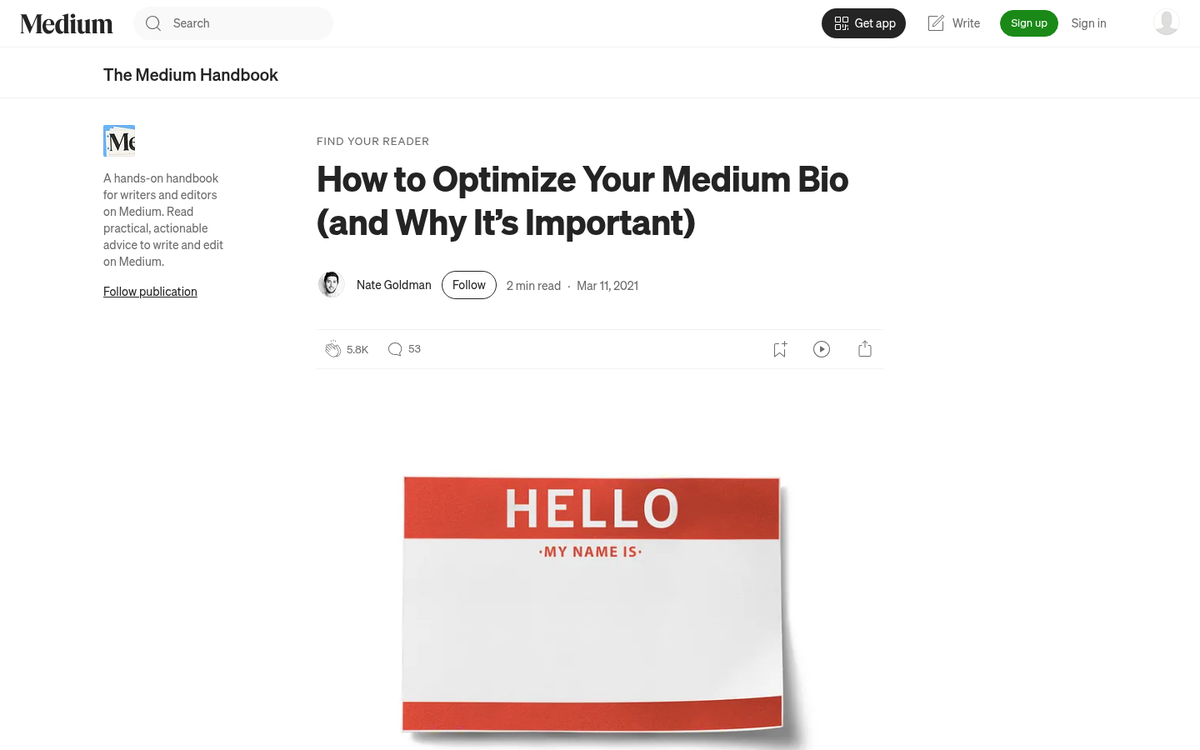
Before you start, the first thing you need to do is fill out your profile. You get a display name, a short bio, a profile picture and the opportunity to link your social accounts. You can display links to your other places as well.
When you sign up for Medium, if you do it through an existing social account, information is automatically imported. Your username in particular is given to you automatically if it's available and it will pull your profile picture if you have one. You can, of course, change these. But you should maintain steady branding across your social networks. For this reason, I see Medium as a social network.
As for your bio, you should think of it as very like Twitter/X. You have 160 characters of space to make your bio, so you'll have to make it pop. Any advice that applies to a short social media bio will also apply to Medium.
1. Syndicate Content
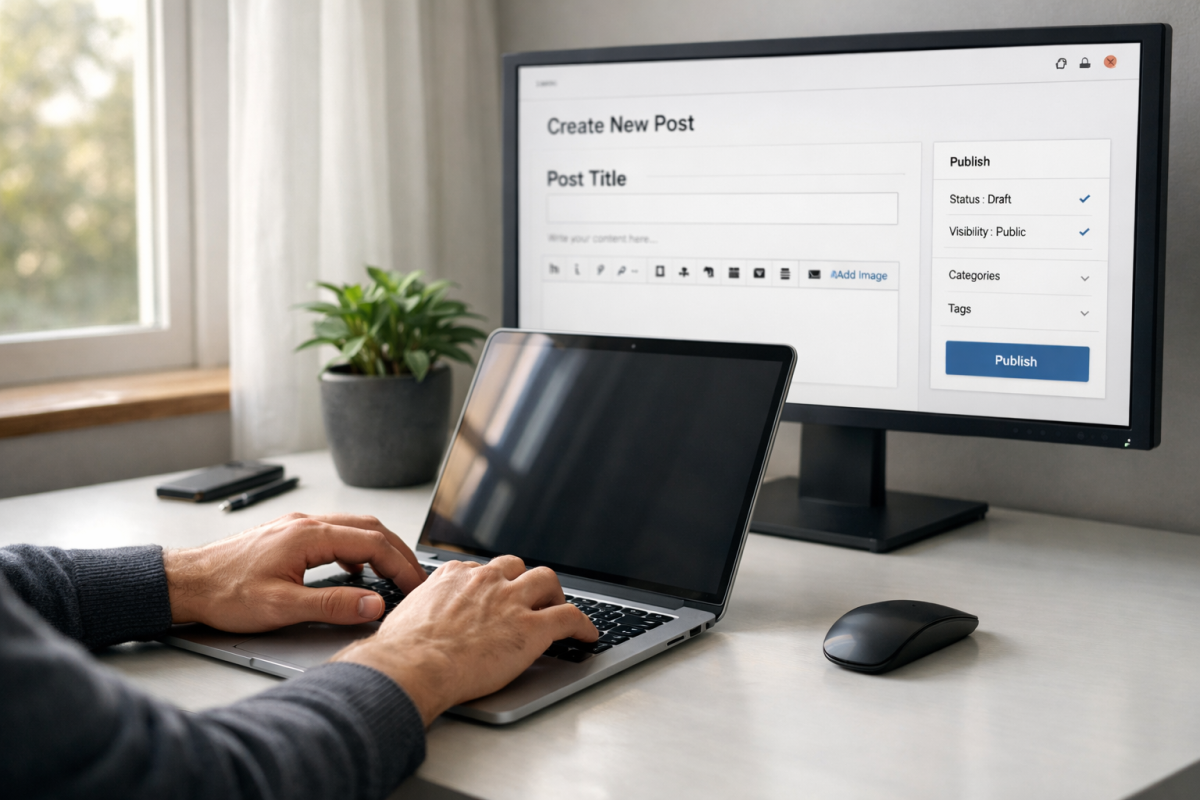
Medium does not care about duplicate content. When you go to create a new story, one of the options at the top is "import a story." When you click that, you are presented with a simple box where you plug in a URL. Submit that URL and a new draft will be created, with the text and images from your existing post imported. You can then go through it to rearrange, reformat, or replace images, change text formatting, edit the content, or do whatever you want with it.
As with all means of content syndication, you want to be careful with this feature. At the very least, you could be poaching your own SEO value, which means you could be hurting your site and centralizing your traffic on Medium. I usually recommend that you let content run exclusively on your site for a week or so before you import it into Medium.
That said, if you're just starting out with Medium, it can be helpful to import some of your older "greatest hits" to get off on the right foot. But remember that Medium is a fairly time-sensitive platform. Trending articles are usually relevant and timely, so importing content that's out of date isn't likely to earn you much traction on Medium itself.
2. Decide on Calls to Action
I think you should have three calls to action you use. One of them should be the "light" call to action, that you use for very light content that isn't trying to sell anything or promote an agenda - this call to action will be easy, like following you on Medium, following you on another social network, or clicking through to your site. One call to action should be a "medium" call to action, which is what you use in some of your stronger content - it's a call to action to get readers to stick around on Medium and read other posts you have written. The third call to action, the "heavy" call to action, is there to link to product pages, landing pages, services, or deep conversions.
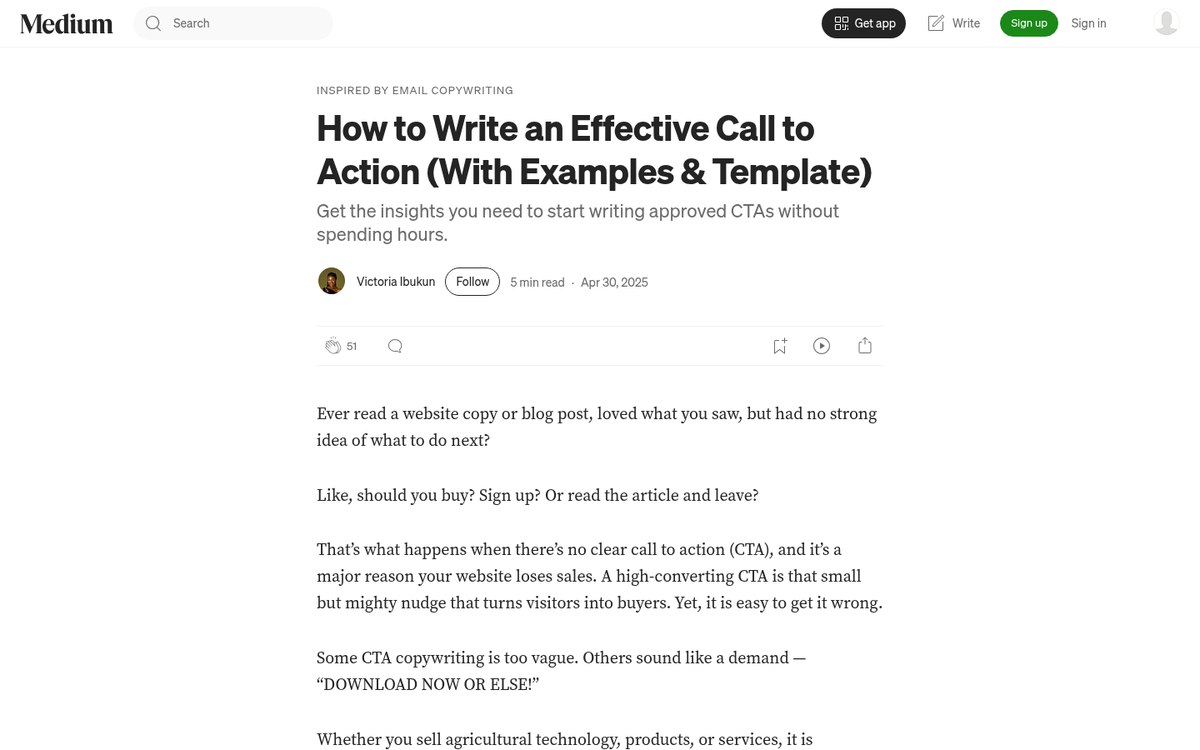
I leave the categories broad so you can do your own testing. The only reason I say you should have three calls to action is that if you use the same one all the time, readers will ignore it. If you use a different one each time you post, it's a bit of work to come up with them and it can throw off testing. If you have a few you have tested and rotate through them, you have the best of both worlds.
3. Embed the Value
Don't be afraid to embed some content for extra value, instead of just linking to it. Depending on your niche and your goals, you can embed all sorts of different media into a Medium post.
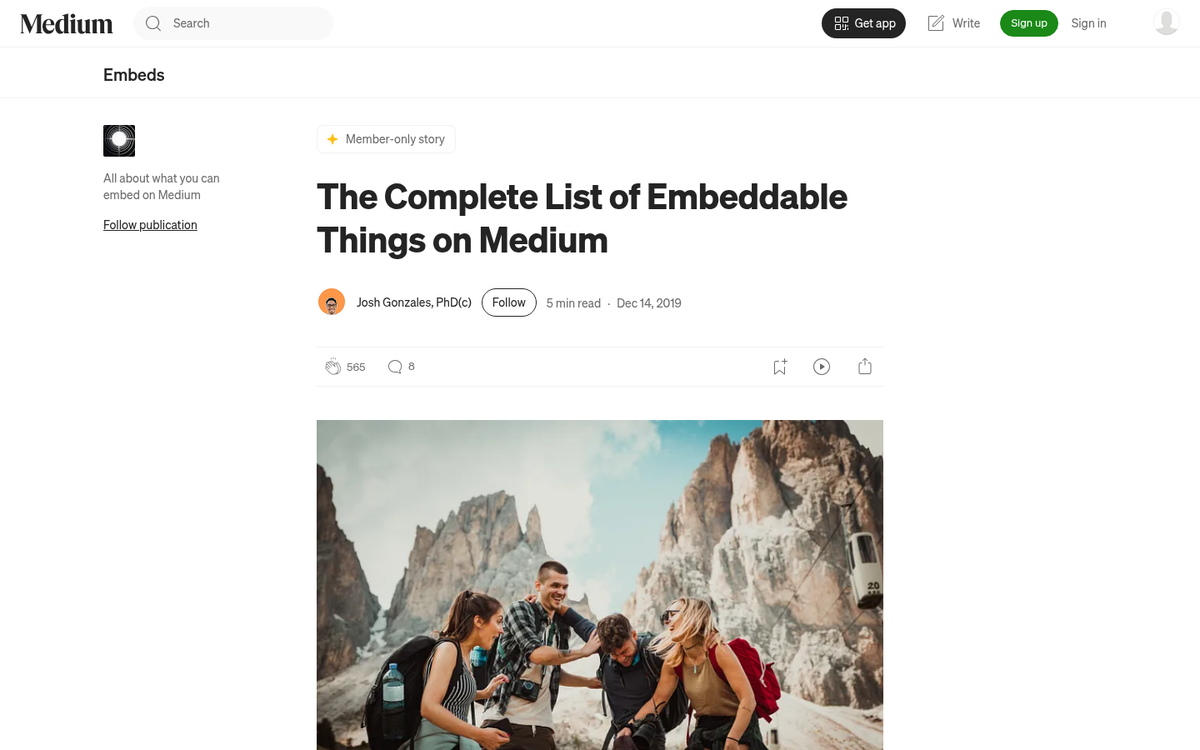
Medium supports embeds from YouTube, Vimeo, Twitter/X, Instagram, SoundCloud, GitHub Gists and more. They add new embed types occasionally, so give it a shot and see if your media of choice is supported.
4. Optimize Writing
You usually want to keep your writing easy to read. But not dumbed down. The Medium audience is largely made up of professionals and intelligent readers, so they can handle advanced concepts. Don't write overly basic content. But don't go the opposite direction and fill your writing with tough language or assumed knowledge that readers need a doctorate in your field just to follow along.
If you want, you can run your writing through a readability grader to see what grade level it comes out at. These tools aren't perfect - different industries call for different styles - but they're still helpful for creating a baseline and finding areas for improvement.
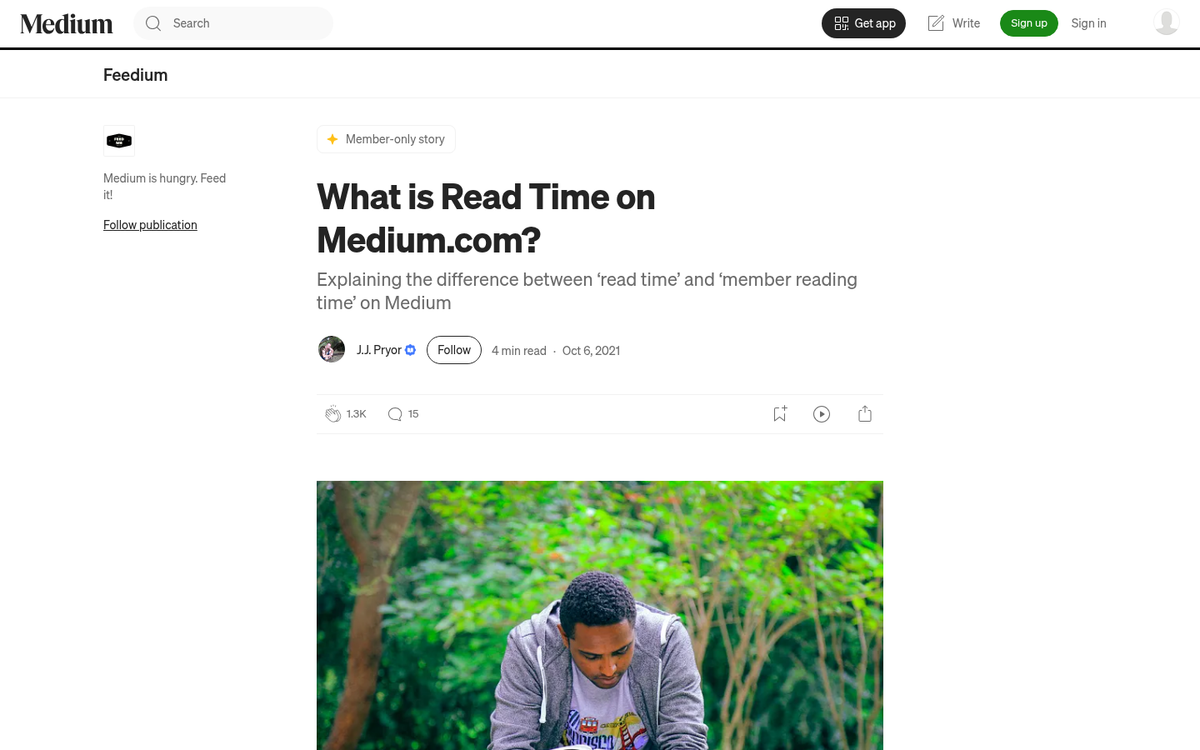
Keep your stories at a length that respects the reader's time. The "read time" indicator on Medium is a better guide than raw word count. Posts in the 5 to 8 minute read range tend to perform well. Go much past 10 minutes and you risk losing readers before they hit the important 30-second engagement threshold that counts toward Partner Program earnings. That said, tutorials, deep dives and well-designed long-form pieces can still perform - use your best judgment based on the difficulty of the topic.
Write a strong headline. Headline tips are the same regardless of blogging platform.
5. Consider a Publication
You can create and run a publication and grow pretty popular on Medium without ever writing a post of your own. There are two ways you can use a publication.
The first way is to create your own publication. The idea is that you have multiple people on your staff or multiple writers for your brand contributing to Medium. You add their posts to your publication so a person who is a fan of your brand can see the posts written by those connected with your brand in one location.
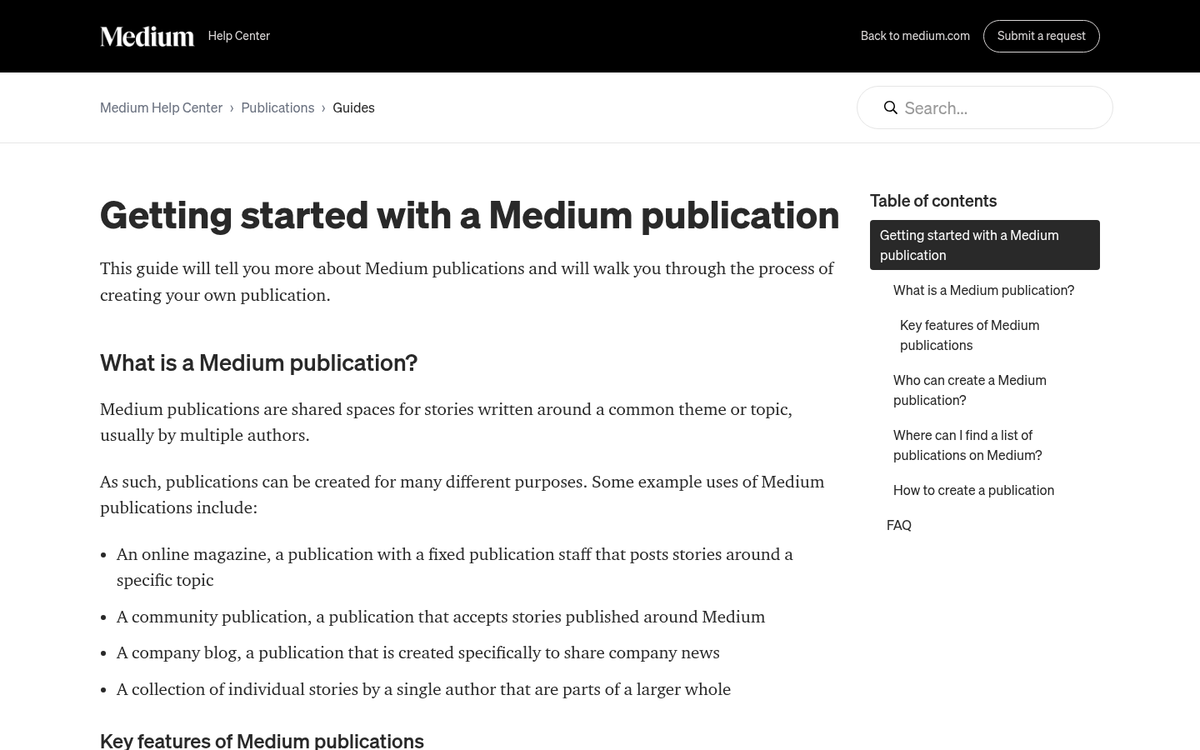
The reason you might use this instead of just your own blog is to allow flexibility in writing. Your blog may be tightly focused on your industry. Medium lets your writers branch out and write about topics they might not otherwise have the chance to cover - thought experiments, personal essays, stories and off-topic content that would feel out of place on a corporate site.
You can also submit your content to existing publications. The editors who run those publications might add your content to their publication. You benefit from the audience the publication already has and the publication benefits from sharing content.
6. Use Images Frequently
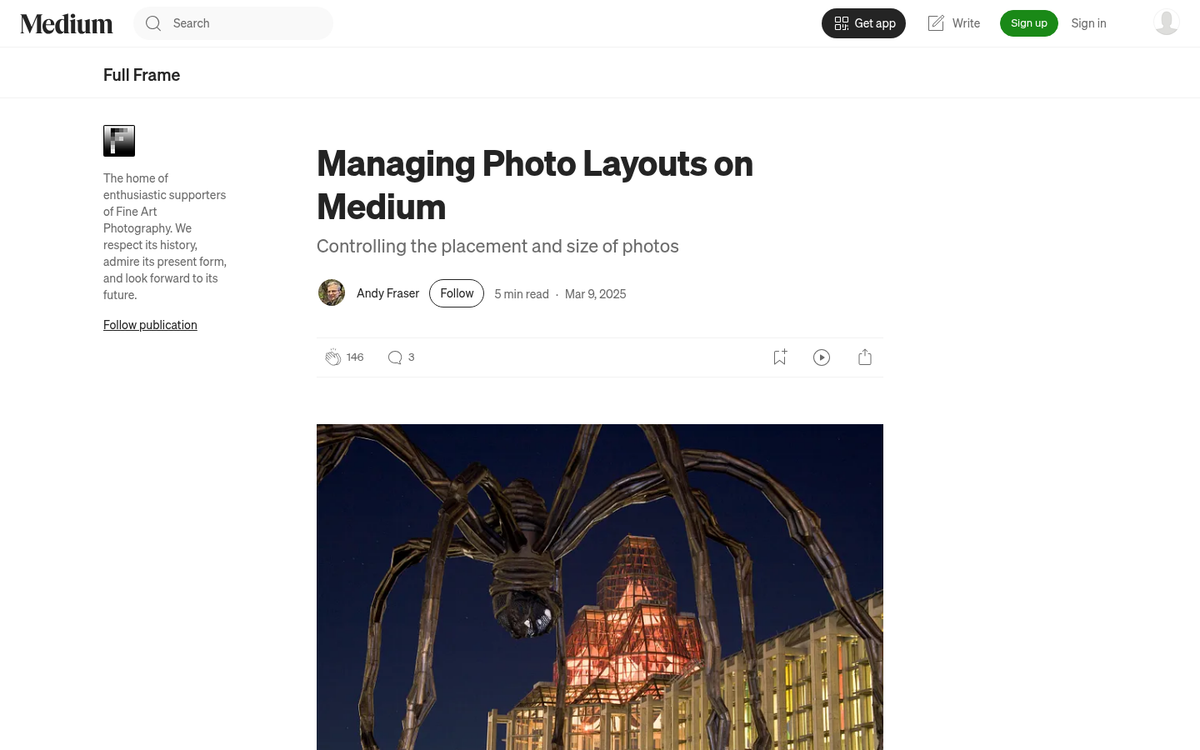
You should have one large banner image at the top of your story, which will be the preview image on Medium itself and on any links to it on social media. You should also use images frequently throughout your post, or at least whenever it feels right and you don't have another media embedded there already. Images help break up monotonous walls of text, add value when they're relevant to the content and are simply good practice. If you need images, you can find free images for your posts or use one of the reliable websites to host your blog images for free.
7. Tag Properly

Medium posts can be tagged, but you're only allowed a maximum of five tags per post. When you type a tag, Medium will recommend popular options and show you how many stories use that tag. Think of this like keyword research: tags with too many posts mean more competition and less chance of standing out. But tags with very few posts may have little to no traffic. Strike a balance and usually stay away from branded tags unless you've already built a recognizable presence around them.
8. Build a Team
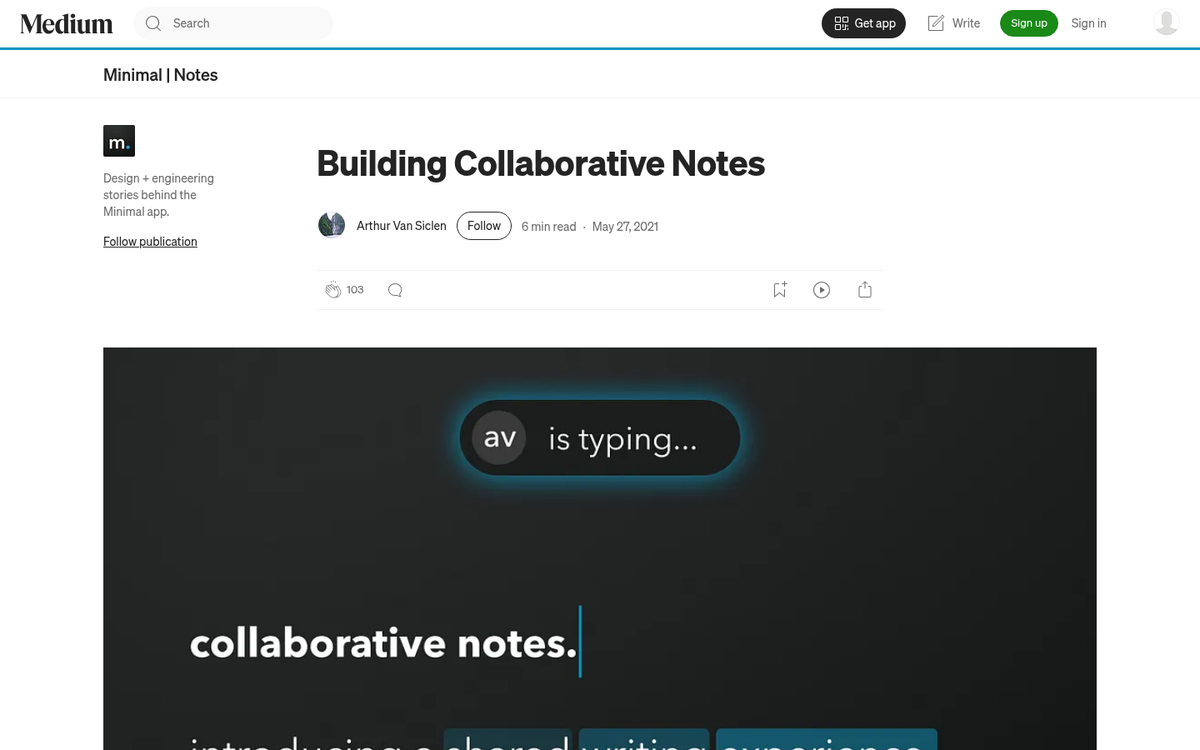
You can build a team of writers and you can invite those who prove to be knowledgeable, involved fans to be part of your extended network. One thing you can do on Medium is invite people to leave notes on your content before it's published - this lets you find typos, misinformation, broken links, or inconsistencies that need tackling before the post goes live, which makes your stories better. In exchange, anyone who has left a note on your piece before publishing is added to a list of collaborators at the end of the post. Anyone who contributes gets a great little mention - it helps them out and it's a great way to build a network of content influencers.
9. Comment
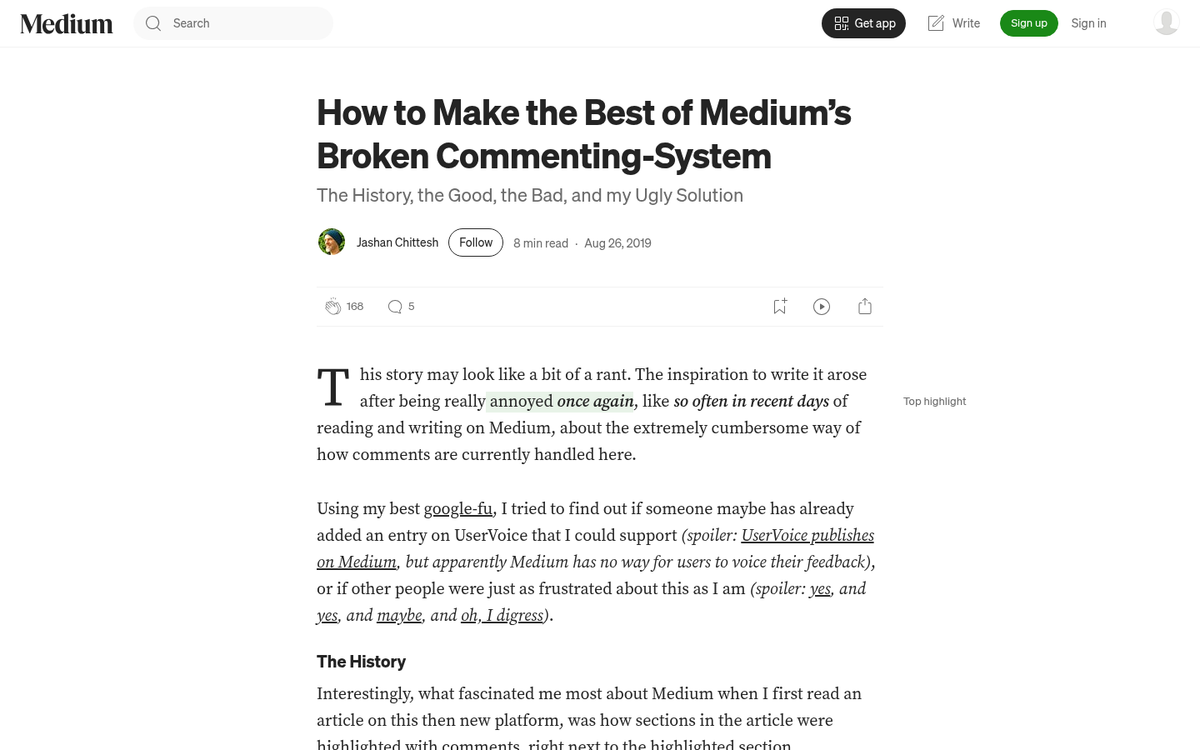
When commenting on a post on Medium, users can highlight a section and leave a comment right there in the text - it appears off to the side and users can read the comment chain in context. It's usually a good idea to welcome users to do this and to respond to their comments when they leave them. Leaving thoughtful comments can help you get your name out as an authority in your niche. The more you connect with the platform, the more you'll be recognized - like any other social network where proof of engagement matters.
10. Promote
Don't forget to run your posts through your promotion engine! Link to them from posts on your site. Share them on social networks you use. Cross-link between them. Reference them in comments where they're relevant. Go the whole nine yards. The better your promotion, the more you'll grow and the bigger your presence will be. Then it builds upon itself and stacks up until you're a featured writer on the site. Check out these blog post promotion tips that actually build traffic to make the most of your efforts.
One final reminder: since reads from search engines and email notifications earn at higher rates than standard feed reads, investing time in on-page SEO for your Medium posts and growing your Medium follower count - so more readers receive email notifications when you publish - can have a meaningful impact on your earnings over time.

4 responses
Thoughtful replies only - we moderate for spam, AI slop, and off-topic rants.
Solid read. I especially agree with the point on timing. In my experience that's where most people give up.
Thanks, Peter! You're absolutely right - timing is one of those things that looks simple on paper but requires real patience and consistency to get right. A lot of writers expect results too soon and walk away just before things start clicking. Sticking with a regular publishing schedule, even when engagement feels slow, makes a huge difference in the long run. Great to hear you've pushed through that phase!
Great breakdown, thanks for putting this together. The part about planning really helped me sort out my own setup.
Thanks so much, James! Really glad the planning section clicked for you - it's honestly one of those things that makes such a difference once it's in place. A solid foundation saves so much headache down the road. Best of luck with your setup, and feel free to drop any questions as you keep building things out!