Key Takeaways
- A modern web presence is essential, as 89% of B2B buyers research products online before contacting any supplier.
- Omnichannel availability significantly boosts retention; companies with strong omnichannel strategies retain 89% of customers versus 33% without.
- Recurring order models, starter packs, bundles, and complementary product recommendations all reduce friction and increase customer lifetime value.
- Testimonials, personalised service, and reliable fulfilment build trust and act as key competitive advantages in B2B wholesale.
- Direct outreach to targeted ideal customers consistently outperforms passive marketing, with LinkedIn driving 80% of B2B leads.
1. Invest in a Web Presence
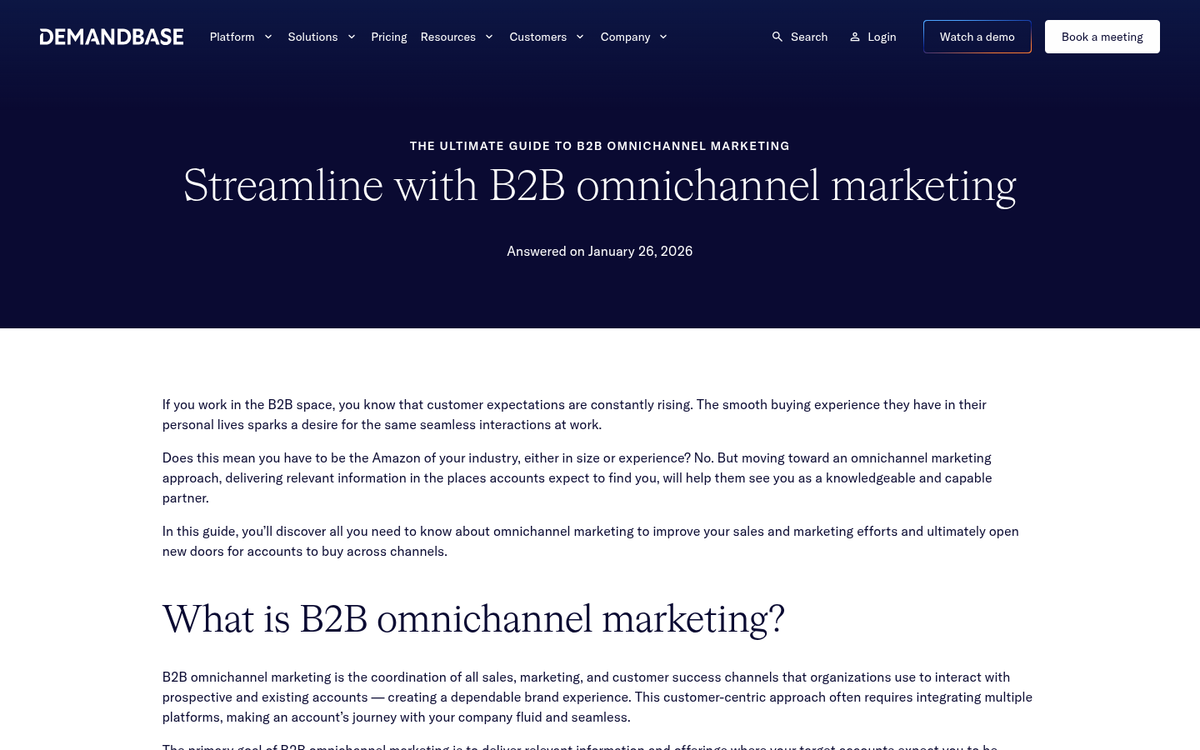
It's still surprising how many wholesalers are operating without a proper web presence in 2026. As a business owner searching for a supplier, there are few things more frustrating than finding bare brand mentions with no website, outdated pages that haven't been touched in years, or distribution information buried so deep it takes 20 minutes to find. In many cases, buyers simply give up and move on to a competitor.
Investing in a modern web presence is no longer optional for wholesalers. With 89% of B2B buyers researching products online before ever making contact, if you're not visible, you're not in the running. Millennials and Gen Z professionals are now firmly embedded across purchasing and procurement roles in businesses of every size, and they expect to find you online quickly and easily.
This means learning or hiring for the basics of SEO and web marketing. B2B companies that blog consistently generate 67% more leads per month than those that don't, and companies with 10 or more landing pages generate 55% more leads than those with fewer pages. Beyond that, 80% of B2B leads come from LinkedIn, making it an essential platform to maintain alongside your main website. Start with a content-rich, well-structured website and build outward from there.
2. Open up Lines of Communication
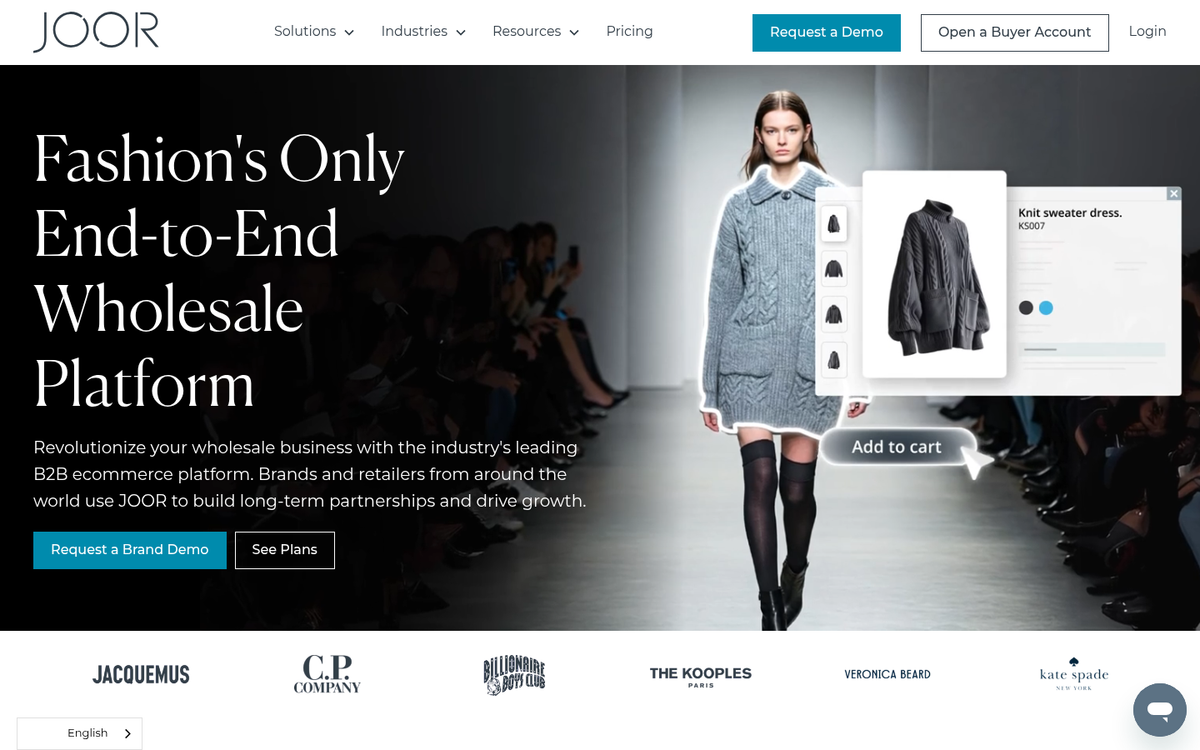
Having a web presence matters, but you need to do something with it as well. Displaying information is a start, but potential customers need as many avenues to reach you and place orders as possible. A full e-commerce storefront is increasingly expected rather than impressive, and modern platforms like Shopify, BigCommerce, and various B2B-specific solutions have made this far more accessible than it once was.
At minimum, customers should be able to contact you via email and phone with ease. Beyond that, live chat on your website, a responsive LinkedIn presence, and even AI-powered chat tools can dramatically improve accessibility and response times. Omnichannel availability isn't just a nice-to-have anymore. Companies with strong omnichannel strategies retain 89% of their customers, compared to just 33% for those without one.
3. Offer Recurring Orders
You may already do this, but if not, it deserves serious attention. The subscription and recurring order model has become deeply embedded in both B2C and B2B commerce. From Amazon Business recurring supply orders to purpose-built B2B procurement platforms, buyers increasingly expect the ability to automate their routine purchasing.
If you can offer a seamless way for customers to receive scheduled shipments of their regular products, with the flexibility to add spot orders or adjust volumes, you remove friction from the buying process entirely. The easier you make it for a business to get what they need without thinking about it, the harder it becomes for them to justify switching suppliers. If you rely on paid traffic to attract these customers, it's worth learning how to optimize your PPC campaigns for subscription websites to keep acquisition costs in check.
4. Offer Special Deals and Incentives

Sometimes all it takes to win a new customer over a competitor is one well-placed offer. Special deals and incentives remain one of the most effective conversion tools available to wholesalers.
Consider introductory discounts on first orders or first subscriptions, free shipping thresholds, multi-product discounts, or loyalty pricing for long-term customers. Personalisation here also goes a long way. Personalized email subject lines alone increase open rates by 26%, and tailored offers based on a prospect's industry or purchasing behaviour can meaningfully improve conversion rates. There's plenty of room to get creative, as long as the numbers still work in your favour.
5. Create Starter Packs
When you want to hook a new customer, one of the most effective approaches is to create a starter pack. A well-designed starter pack gives a new customer a curated sample of your product range, demonstrates your fulfilment speed and accuracy, and removes the risk and hesitation that often comes with trying a new supplier.
If you work with customers of varying sizes, build tiered starter packs accordingly. A smaller retailer has different needs than a large distributor. You can also offer build-your-own options for businesses with diverse product interests. Profile your best existing customers, think about what would have impressed them on day one, and design your starter packs around that.
6. Recommend Complementary Products
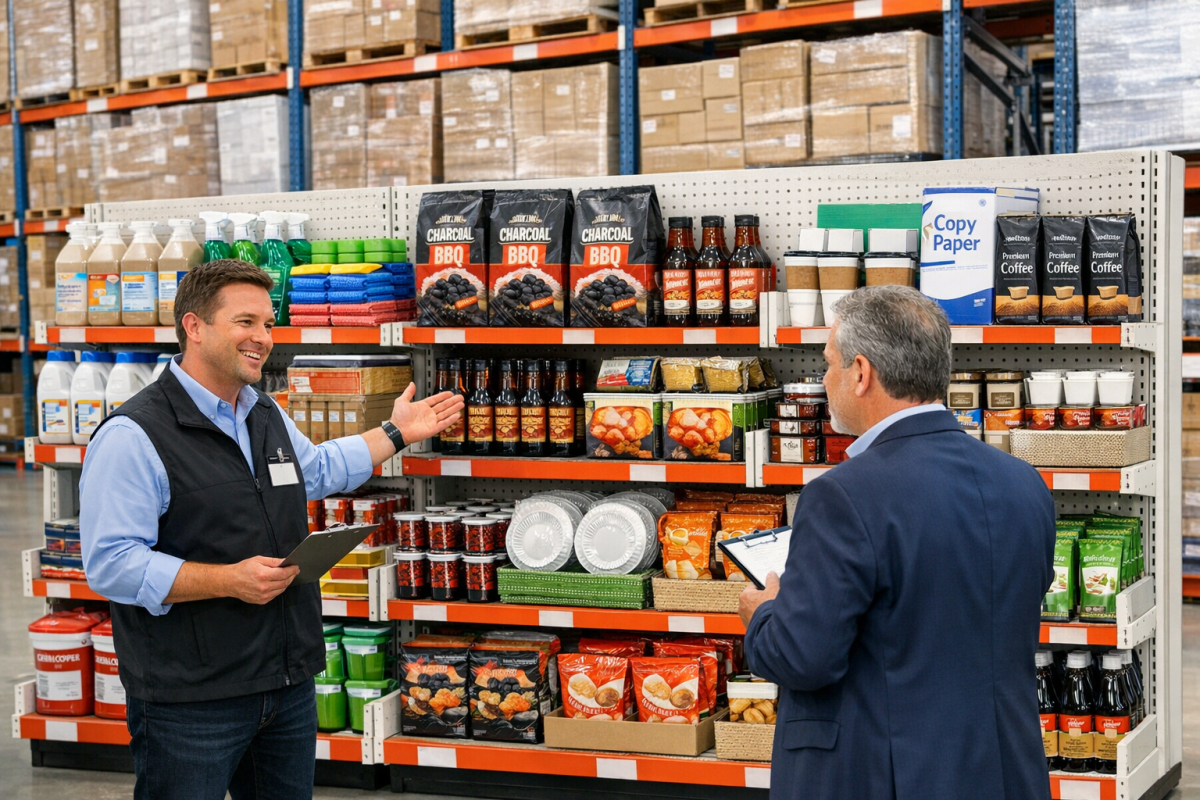
One of the reasons Amazon continues to dominate is its ability to increase order value through intelligent product recommendations. Every product page surfaces complementary items, frequently bought together combinations, and alternatives. The result is that customers consistently spend more than they originally intended.
You can apply the same principle in your wholesale business. Whether through your website, your sales team, or your order confirmation process, recommending products that pair naturally with what a customer is already buying is a straightforward way to increase average order value. Sweeten it further with a bundled discount and you make the decision even easier. For more on driving revenue through smart optimization, see our ultimate guide to getting more sales on an Amazon store, or explore 5 ways to increase sales from your landing page for tactics that translate well beyond Amazon.
7. Make Information Easily Available
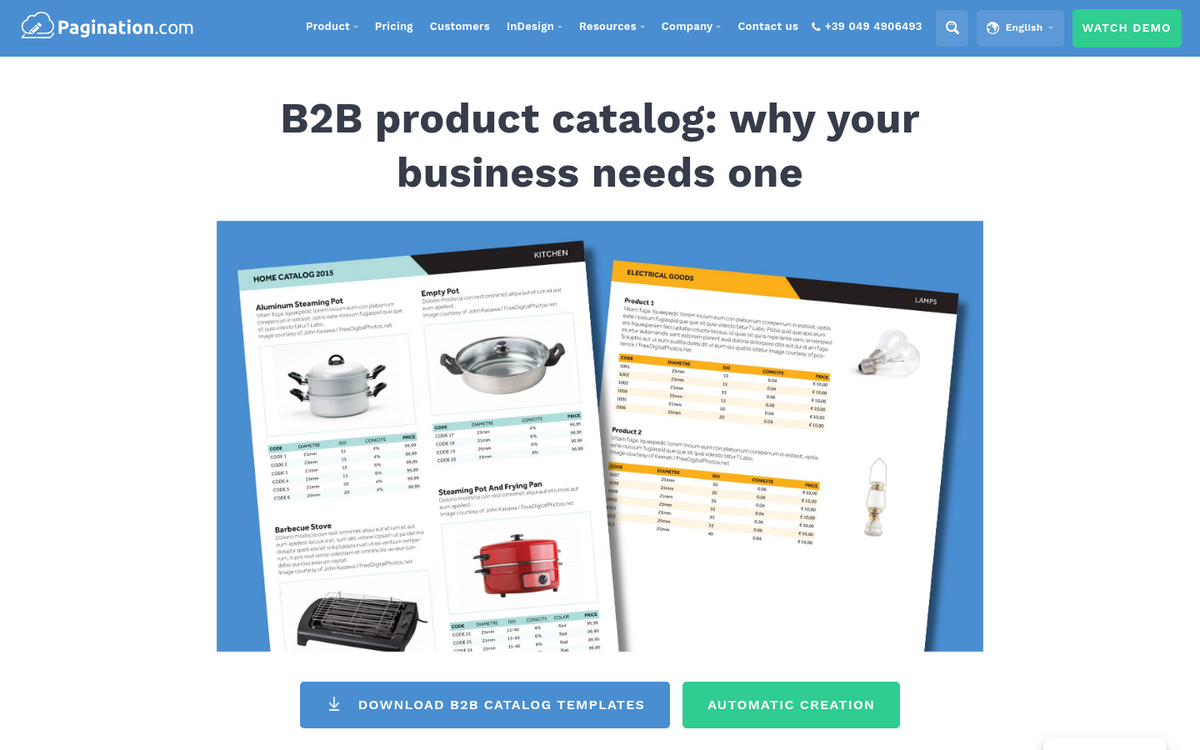
This is partly addressed by having a solid web presence, but it goes further than that. Customers and prospects should be able to find detailed product information, pricing structures, minimum order quantities, lead times, and shipping details without having to chase anyone down. Product catalogs, downloadable PDFs, detailed landing pages, and an accessible FAQ all contribute to this.
Where general content falls short, a live chat function or responsive contact option fills the gap. Some questions are specific and situational, and a quick, helpful response from a real person or a well-trained AI chat tool can be the difference between winning and losing a sale.
8. Collect and Display Testimonials
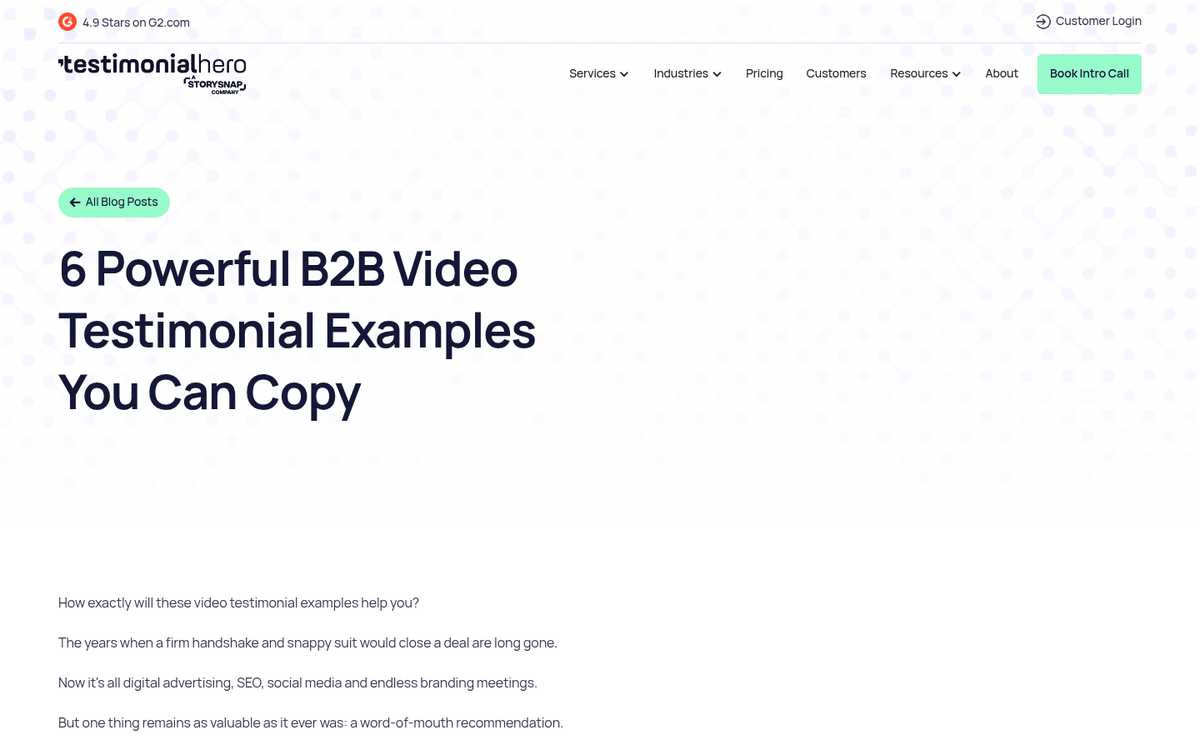
Testimonials and case studies have become an important trust signal in B2B purchasing, particularly as more of the buying journey happens online before any human contact is made. With 89% of B2B buyers researching independently before engaging a supplier, what they find during that research phase matters enormously.
Testimonials carry the most weight when they come from recognisable brands or credible roles such as procurement managers, operations directors, or business owners. Video testimonials and detailed written case studies that outline specific results carry even more weight than a short quote. Make gathering these a regular part of your customer relationship process, and display them prominently on your website.
9. Give Top Customers a Personal Touch
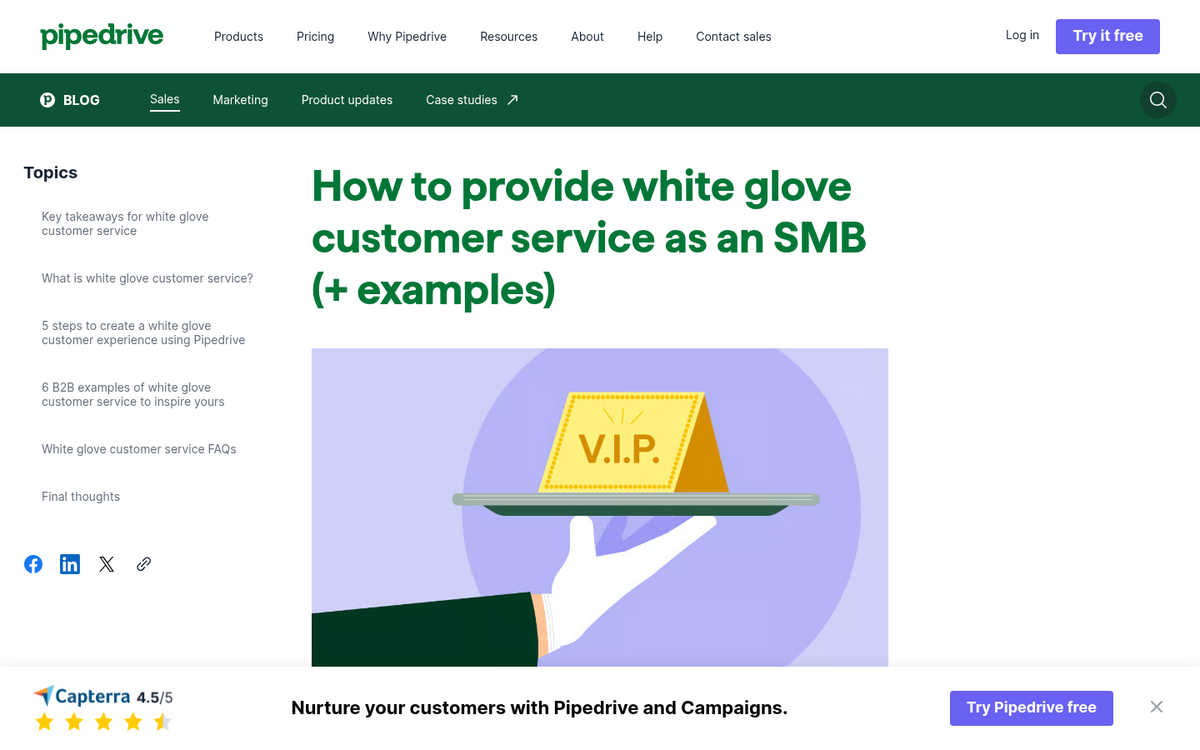
Some of the best-performing B2B companies treat their most valuable clients with a genuine white-glove level of service. Identify your top customers, perhaps the top 10%, and invest in that relationship beyond the transactional. Pick up the phone to check in on how things are going. Offer loyalty or volume-based pricing to acknowledge their continued business. Recognise long-standing customers even when their order volumes are modest, because tenure itself has value.
In 2026, personalisation at scale is more achievable than ever through CRM tools and automation, but the most impactful touches are still the human ones.
10. Emphasise Customer Service
Your top customers deserve elevated attention, but the rest of your customer base should never feel like second-tier clients. Consistently strong customer service across the board is one of the most reliable retention tools available.
Fast, clear, and empathetic resolution of problems keeps customers from quietly drifting to a competitor. In a market where switching costs are lower than ever, the quality of your service experience can be one of your most defensible competitive advantages.
11. Maintain and Utilise Usage Data
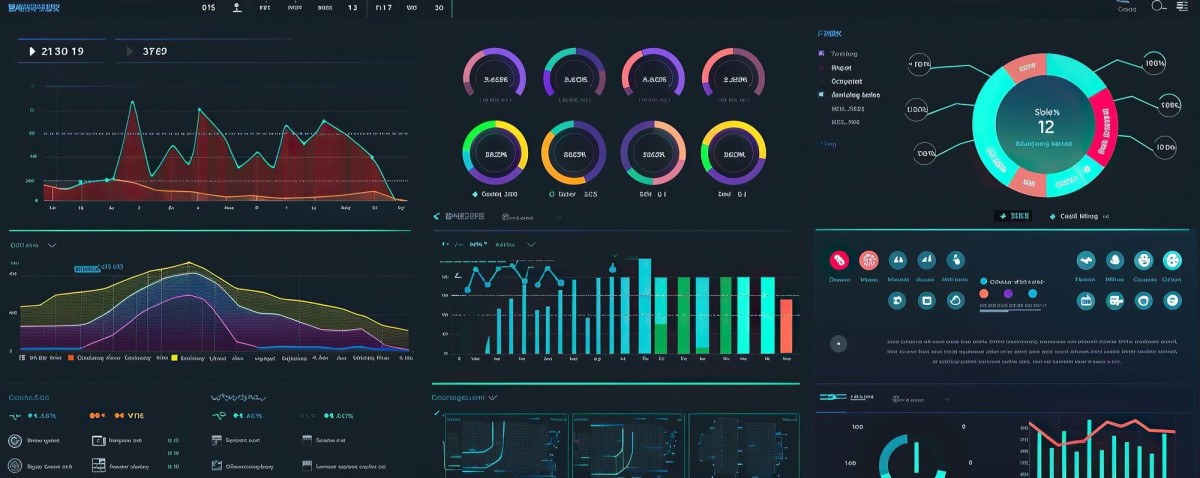
Monitor what your customers are buying individually and look for patterns. This applies not just to their regular orders but to their irregular ones. If a customer reorders a specific product every three months, you already know when they're going to need it next. Reach out ahead of time with a reminder, a pre-filled order suggestion, or a small incentive to lock in the order before they think about looking elsewhere.
Modern CRM and order management platforms make this kind of proactive outreach increasingly automated and scalable. You might also consider setting up an automated email newsletter to help deliver timely reminders at scale. Using your data this way signals to customers that you understand their business, which builds trust and reinforces the relationship.
12. Create a Referral or Affiliate Programme
Your existing customers are one of your most underutilised acquisition channels. A well-structured referral or affiliate programme gives them a reason to recommend you to peers, with a meaningful reward when a new customer comes on board. This could be account credits, cash back, a discount on their next order, or something else that fits your margin structure.
This approach works particularly well when your customer base includes entrepreneurs, small business owners, and startups, who tend to have active networks of peers facing similar purchasing decisions. The barrier to launching a referral programme is lower than it has ever been, with numerous plug-and-play platforms available to get one running quickly.
13. Ensure Fast and Reliable Delivery
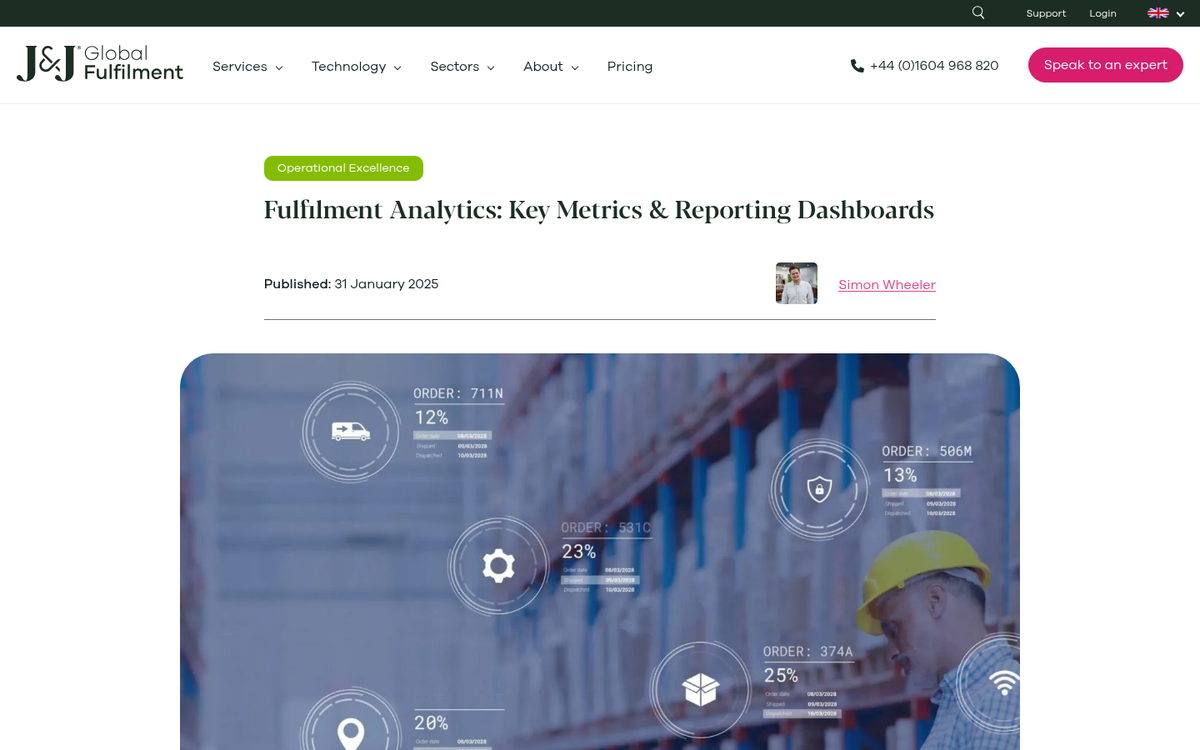
Acquiring new customers matters, but retaining them is where the real value lies. One consistently satisfied recurring customer can outperform many one-time orders across their lifetime. While great service and competitive pricing help with retention, few things are as quietly powerful as simply being reliable.
Unify your order, processing, and fulfilment workflow so there are no unnecessary gaps or delays between a customer placing an order and it moving. When fulfilment is seamless and predictable, customers stop thinking about alternatives. When it isn't, they start looking - much like how improving the quality and value of your leads can reduce churn before it starts.
14. Offer Bundle Deals
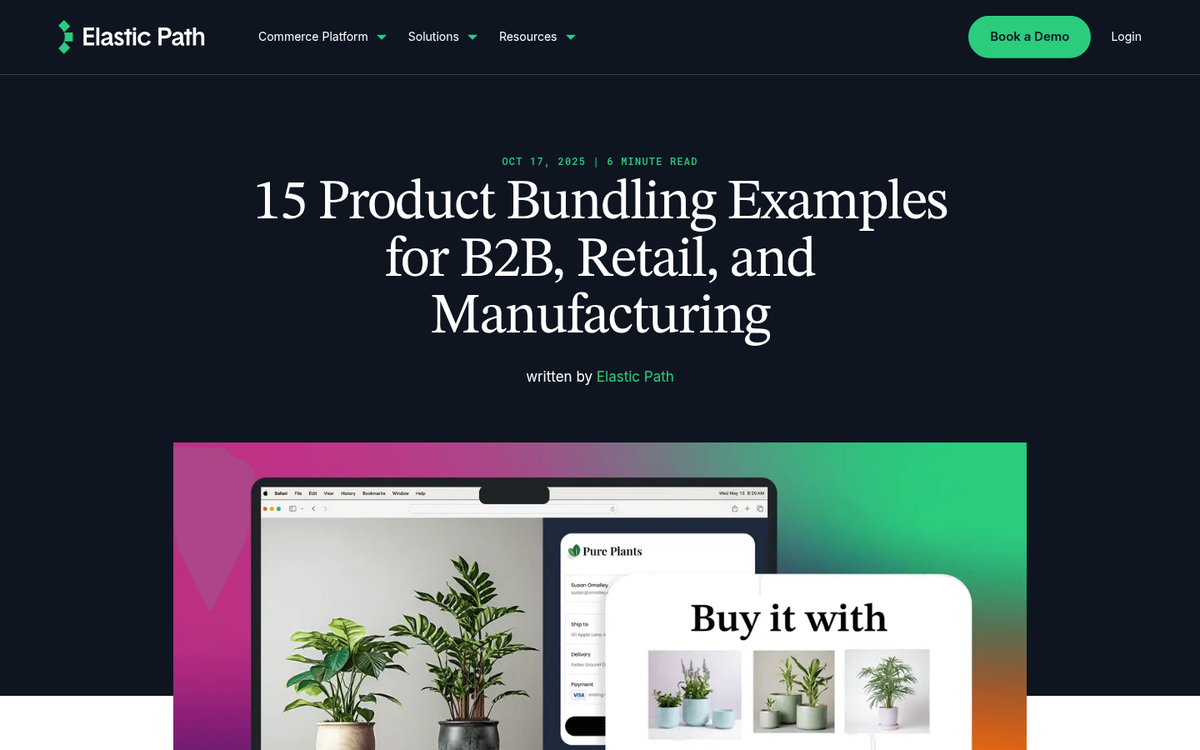
Bundles deserve attention as a standalone strategy rather than just a footnote in others. When a customer regularly purchases multiple products, packaging them into a bundle at a modest discount makes the decision to keep buying straightforward. It also opens the door for customers to try products they wouldn't have selected individually, expanding your relationship with them over time.
Keep a close eye on margins, but within a sensible structure, bundles are one of the more effective tools for increasing order frequency, average order value, and customer stickiness.
15. Pitch Directly to Ideal Customers

This is advice that has been around for a long time, and it remains as effective as ever with a modern approach. Build a list of the businesses you most want to work with, whether that's based on size, industry, location, values, or growth trajectory. Aim for around 100 targets to start.
Research each one, identify the right contact within the purchasing or procurement function, and reach out with a tailored message. This might be a phone call, a personalised email, a LinkedIn connection request with a thoughtful note, or a direct mail piece if the situation calls for it. With 80% of B2B leads originating on LinkedIn, that platform in particular is worth building into your outreach process. A targeted, well-researched approach to landing specific customers consistently outperforms broad, passive marketing, and you may be surprised by how receptive many of them are.