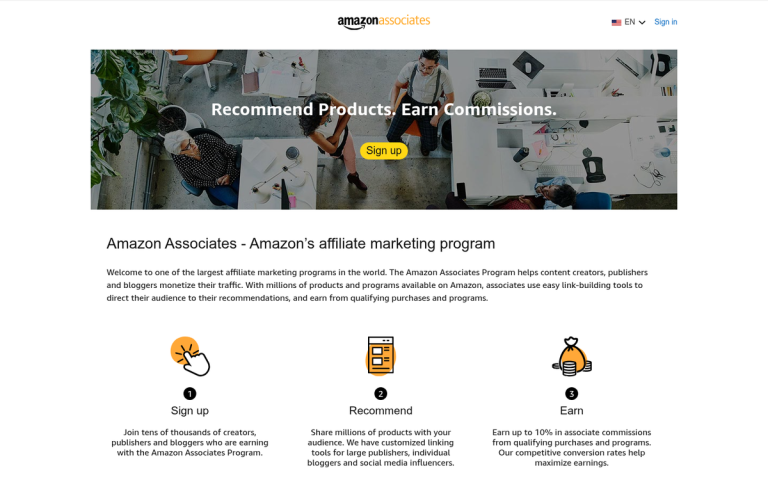
Amazon's affiliate program remains one of the best in the world for one simple reason: the cross-product tagging.
When I link you to Amazon with an affiliate tracking code, that code is stored on your device for 24 hours, or until you clear your cookies. If you make a purchase, the cookie is wiped, which means I only get the commission on the first purchase you make unless you go back and click my link again.
If you click my link and add the product to your cart, the cookie is extended to 90 days. This is an allowance for people who add products to their cart to watch, but might want to research prices or reviews before actually completing the purchase. This typically applies most frequently to high ticket items.
Anything the customer adds to their cart within that 24-hour session is eligible for a commission. This is the true value of Amazon's affiliate program. If I were to link you to a music album that only costs $12, but you decide "hey, maybe I should finally grab that 4K TV I've been eyeballing, plus birthday presents for my entire extended family," I get a commission on everything you buy in that session.
Amazon is also exceptionally good at selling products. They have a massive library, so there's something for pretty much everyone. They're one of the most trusted retailers in the world, and their entire site is engineered to convert browsers into buyers.
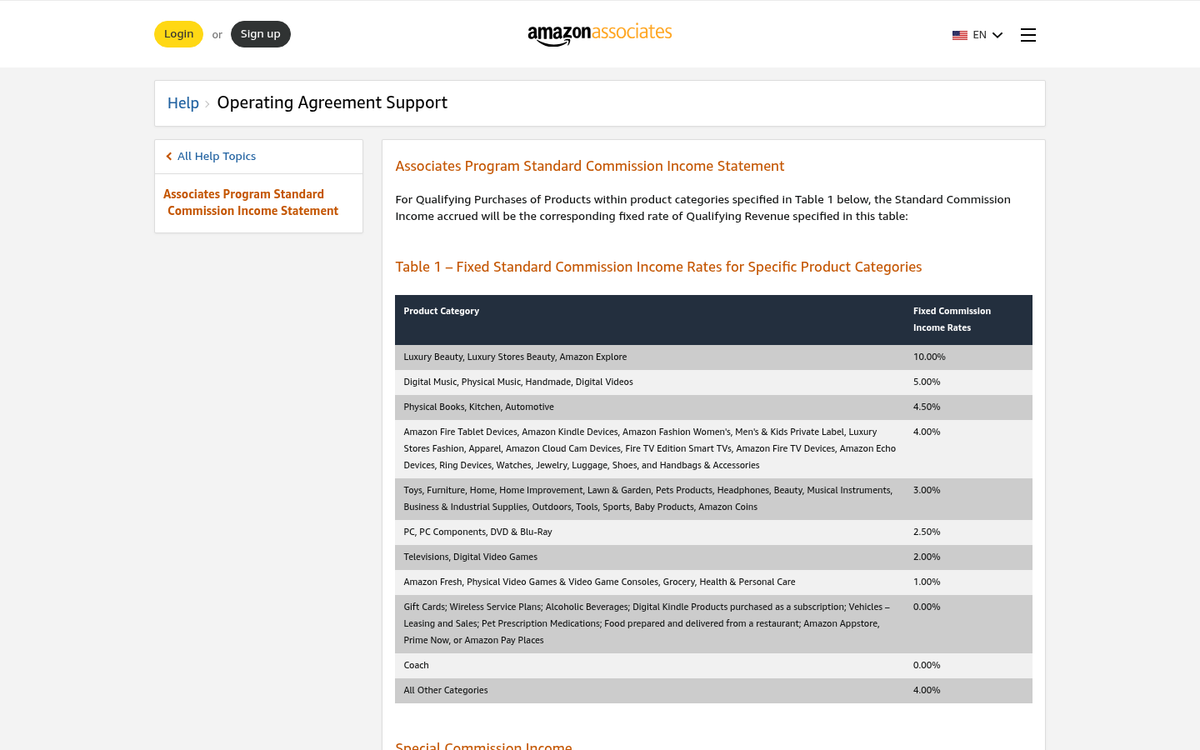
Of course, there's always a downside to every upside. Amazon's commission rates have taken some serious hits over the years. Back in mid-2012, the average commission rate peaked around 9.25%. By early 2020, it had dropped to around 3.14%, and in April 2020, Amazon slashed rates further across several major categories - Home Improvement dropped from 8% to 5.5%, and Groceries cratered from 5% to just 1%. Today, commissions range from 1% to 20% depending on the product category, with Amazon Games sitting at the top at 20% and Luxury Beauty at 10%.
Even so, a low percentage of a large, unexpected purchase can still amount to a meaningful commission. The math still works - you just need to be strategic about it.
It's also worth noting that new Amazon Associates accounts must generate at least 3 qualifying sales within 180 days or the account will be closed. So this isn't a "set it and forget it" program - you need real traffic and real conversions from the start.
So to maximize the amount of money you make from Amazon, you need to:
- Drive consistent traffic and generate early sales each month to build momentum.
- Target high-commission categories like Amazon Games or Luxury Beauty where possible.
- Focus on big ticket items once you've established a conversion baseline.
- Encourage people to add items to cart whenever possible, particularly for expensive items, to take advantage of the 90-day cart cookie.
How, specifically, might you be able to do all this? The tips I've listed below may or may not work for your business, or they might give you inspiration to go start your own affiliate site. Don't worry if you can't pull them all off at once.
Key Takeaways
- Amazon's cross-product cookie means you earn commissions on everything buyers purchase within a 24-hour session, not just linked products.
- Commission rates have dropped significantly, ranging from 1% to 20% today, making niche and category selection critically important.
- New Associates must generate 3 qualifying sales within 180 days or face account closure, requiring real traffic from the start.
- Authenticity matters more than ever in 2026, as AI-generated content floods the internet and readers increasingly value genuine first-hand experience.
- Diversifying traffic beyond Google-using social media, YouTube, TikTok, and newsletters-is essential for long-term affiliate success.
1. Pick a Good Niche
Picking a good niche means picking one that you're able to write about in a way that comes across as genuine.
You need actual opinions and actual recommendations to convince people to buy. Some people can fake it, others can't. Your niche also needs a broad enough variety of products that you have plenty to cover on an ongoing basis. Importantly, in 2026 you also want to consider commission rates by category before committing. A niche in Grocery or Home products will earn you a fraction of what a gaming or luxury beauty niche would, even on the same volume of sales.
2. Make Sure a Link is in the Body Text

Content is what gets you ranked in search engines, not sales pages. Your goal is to write valid, valuable content about each individual product you want to sell. In that content - the body, not a subheading, not a sidebar, not a footer - you should have at least one affiliate link. You might be able to work in a second link elsewhere in the content, generally to the same product, if your post is long enough.
3. Only Promote One Link Per Page
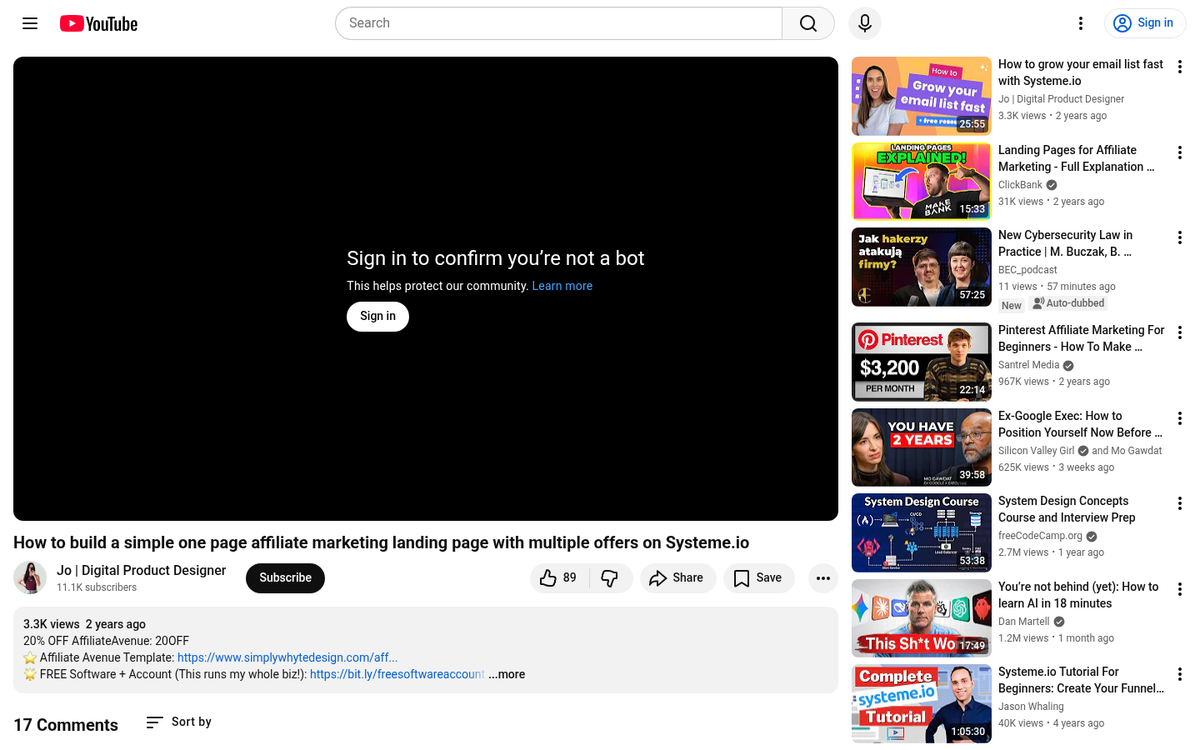
The key here is that you only really want to promote one affiliate product per page. If you add in more than one, you're diluting the goal of the post. Each link you want to promote can be a different post on your site. If you want to link to product C from your post about product A, you can do it by linking to your article on product C. This gives the user more context and more opportunity for your passive sales techniques to kick in.
4. Get More Traffic

Everything comes down to traffic numbers in the end. If you have a 5% conversion rate, it's better to have 10,000 visitors than 1,000.
In 2026, organic search remains valuable but it's more competitive than ever. Diversify your traffic sources - social media, short-form video, newsletters, Reddit, and even AI-driven discovery platforms are all legitimate channels now. Don't rely on Google alone, and don't sleep on YouTube and TikTok as top-of-funnel traffic drivers for affiliate content.
5. Use Plenty of Images

Humans are highly visual. Using plenty of product images - particularly images that aren't identical to the stock photos you see on Amazon - helps a lot. You want something more personal. The idea is to give the impression that you actually have and use the product, making your review feel more genuine, so people trust you more and are more likely to convert. As an added bonus, make the images themselves affiliate links. If you're not sure why people aren't clicking your affiliate links, this is a great place to start. If you have the ability to shoot original photos or short video clips of the product, even better.
6. Avoid Too Many Links
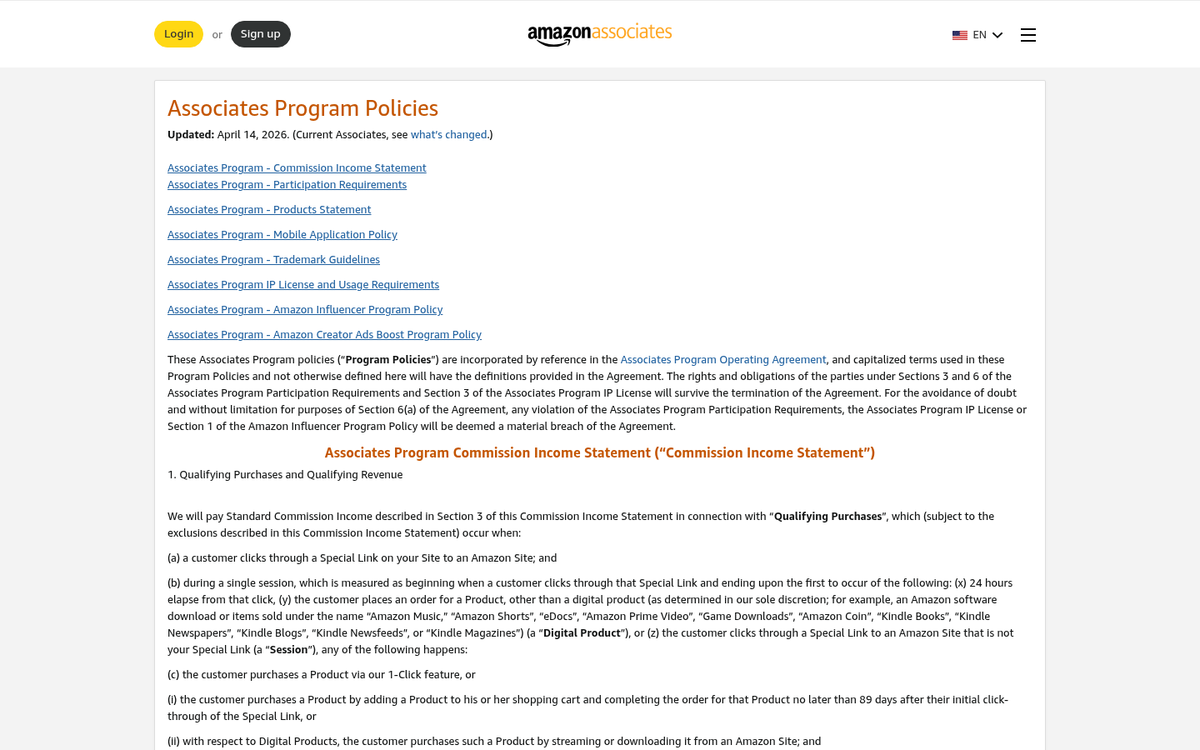
One problem you often see with affiliate marketing advice is the suggestion to add as many links as possible to your content. The idea is that each link attracts users at different stages of the conversion process. Unfortunately, too many links on one page can get you suspended from Amazon or cause your site to be penalized by Google. Until you know what "too many" is, never feel like you have "not enough."
7. Write Quality Reviews
When the average person is looking for a new product to buy, they're going to check out reviews. A lot of times, they'll already be on Amazon looking at reviews there, but sometimes they seek out independent opinions on other sites.
You want to be one of those other sites. Your reviews should be detailed, as unbiased as possible, and genuine. The more useful, realistic information you can convey, the more trustworthy your review becomes, and the more likely people are to convert. In 2026, with AI-generated review content flooding the internet, authenticity and first-hand experience are your biggest differentiators. Write like a human who actually used the product - because ideally, you did.
8. Choose a Good Domain
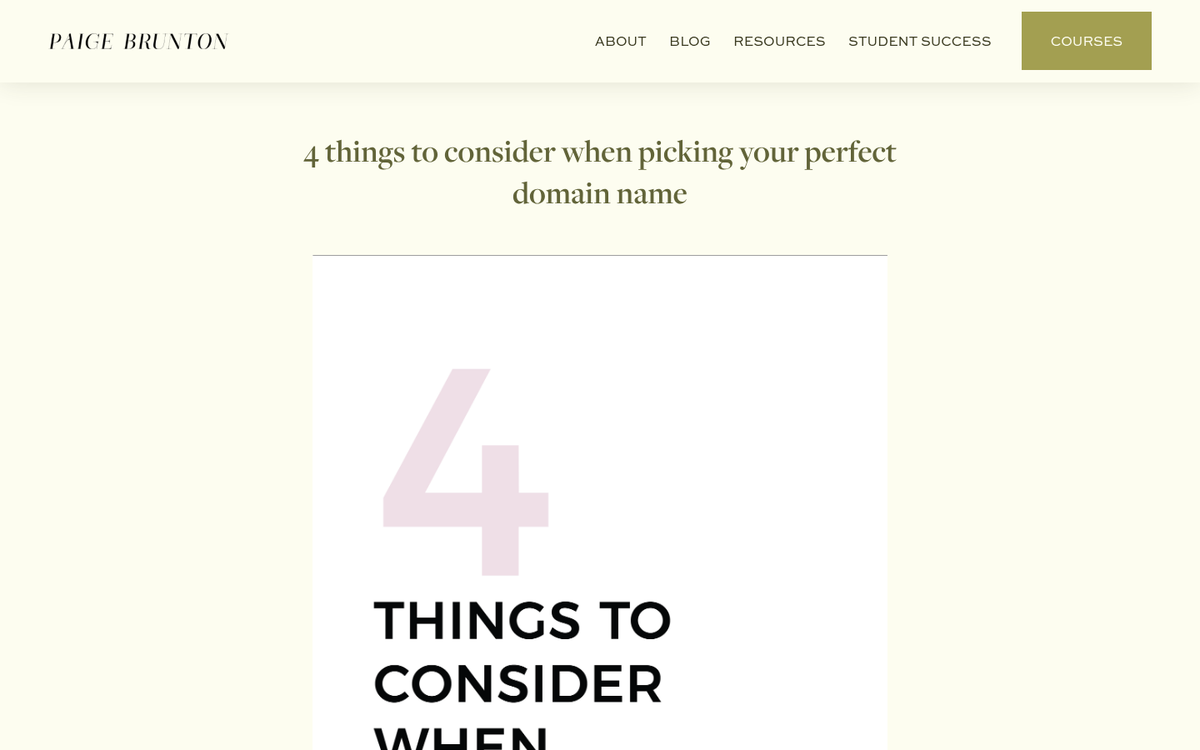
This tip only applies if you haven't started your site yet. Start with your niche, then pick a domain name that's relatively specific, but not so narrow that it boxes you in as your site grows. Aim for a .com, avoid trademarked terms, and make sure it's something easy to remember and type. A clean, brandable name goes a long way toward building trust with first-time visitors.
9. Invest in Your Brand
Affiliate sites are easy to set up, but it can be difficult to stand out from the enormous number of similar sites competing for the same traffic. Investing in a professional logo, a clean design, and a consistent visual identity goes a long way. You look more credible and trustworthy when you have a real brand, rather than a generic template that screams "affiliate site." In 2026, trust signals matter more than ever - readers are savvier, and so is Google.
10. Use a Mailing List

You can create a mailing list and fill it with useful, niche-relevant content for your audience. A mailing list is one of the most resilient traffic sources you can build because you own it - no algorithm can take it away from you.
That said, you do need to be in a niche where there's repeat interest or ongoing buying decisions. Think about whether your audience has a reason to hear from you regularly, and build your emails around genuinely useful content rather than just promotion.
11. Learn Your Seasonality

You'll want to understand when the best times are for sales in your niche. Technology tends to spike around the holidays and again in spring. DIY and home improvement items surge in spring and early summer. Knowing your seasonal patterns lets you plan content calendars and promotional pushes around the windows where buyers are most active and most motivated to spend.
12. Run a Sales Cycle
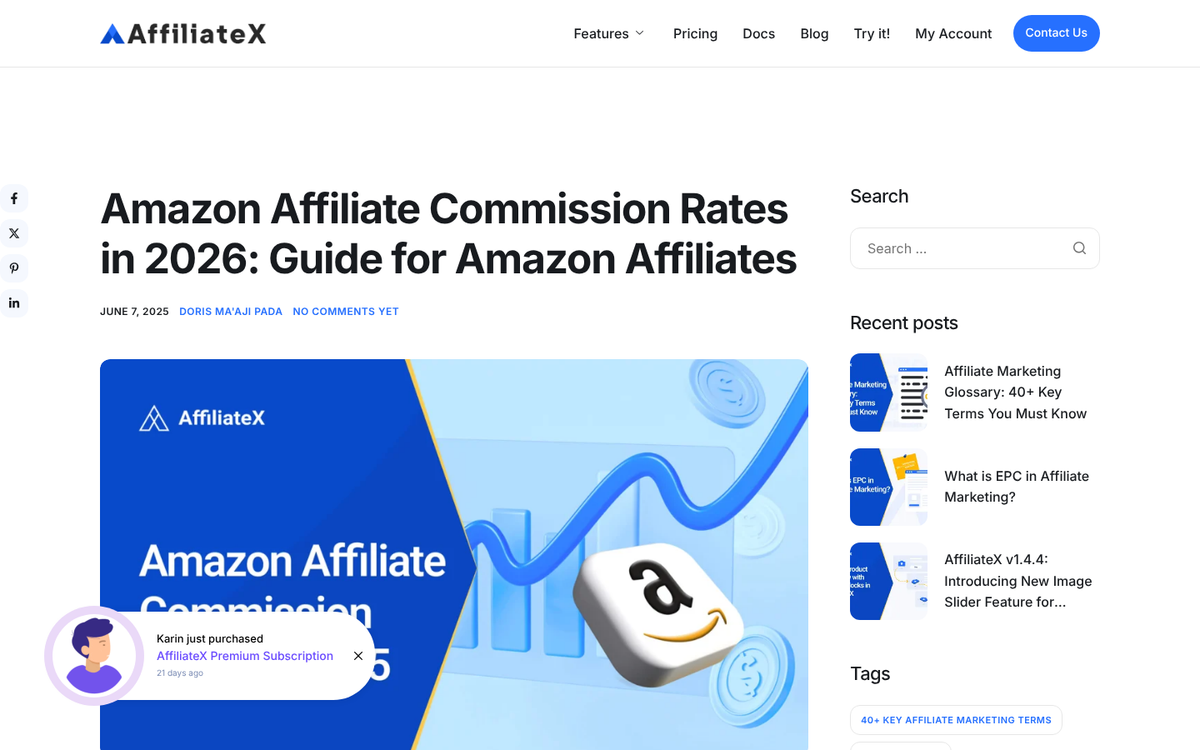
A classic Amazon Associates strategy is to start each month building volume with lower-priced items - things people buy on impulse - then shift focus toward higher-ticket items once momentum is established. While Amazon's current flat-rate commission structure by category has changed how this scales compared to older tiered models, the underlying logic still holds: early conversions build credibility and warm up your audience for larger purchase recommendations. If you're weighing your options, it's worth exploring high vs low priced products and which earn more, or even looking at alternatives to the Amazon Associates program to diversify your income streams.
13. Track Sites Individually
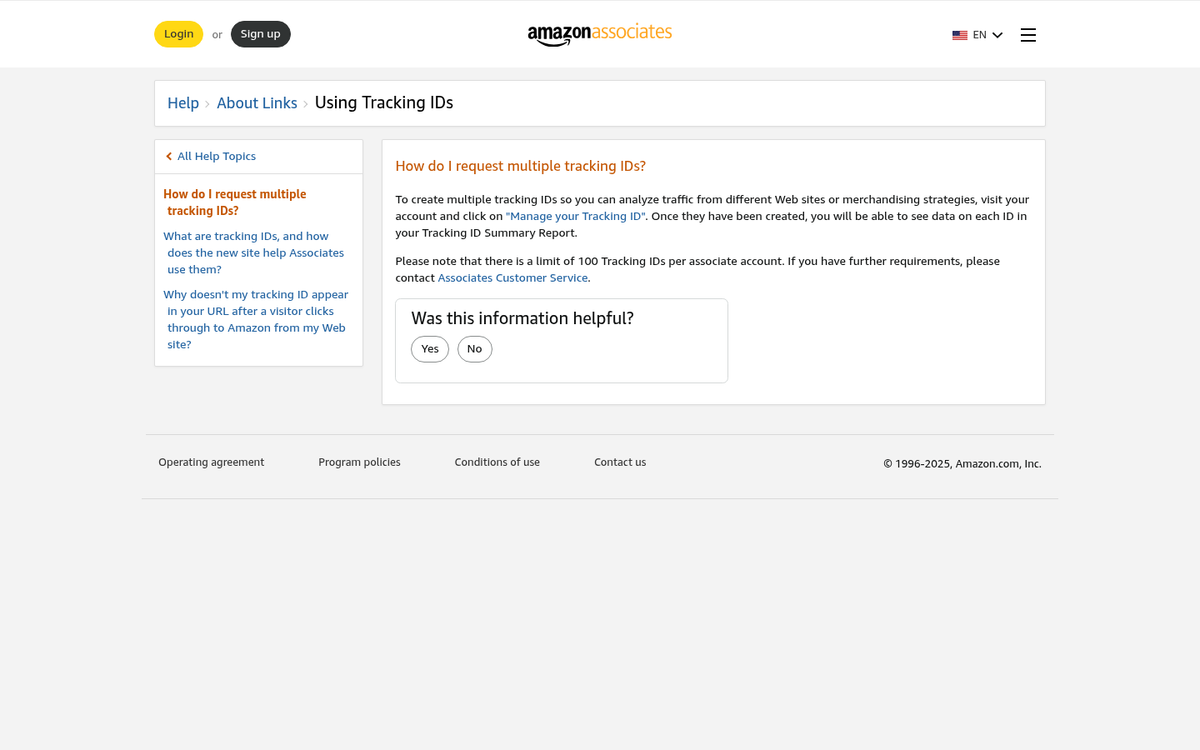
This tip is specifically for people who operate in several niches or run multiple affiliate sites simultaneously. Use different tracking IDs for each site so you can monitor conversions and revenue individually rather than as one blended total. Amazon allows up to 100 tracking IDs for this exact purpose. Pair this with Google Analytics (or GA4) on each site so you have a full picture of what's working and what isn't.
14. Test CTA Styles
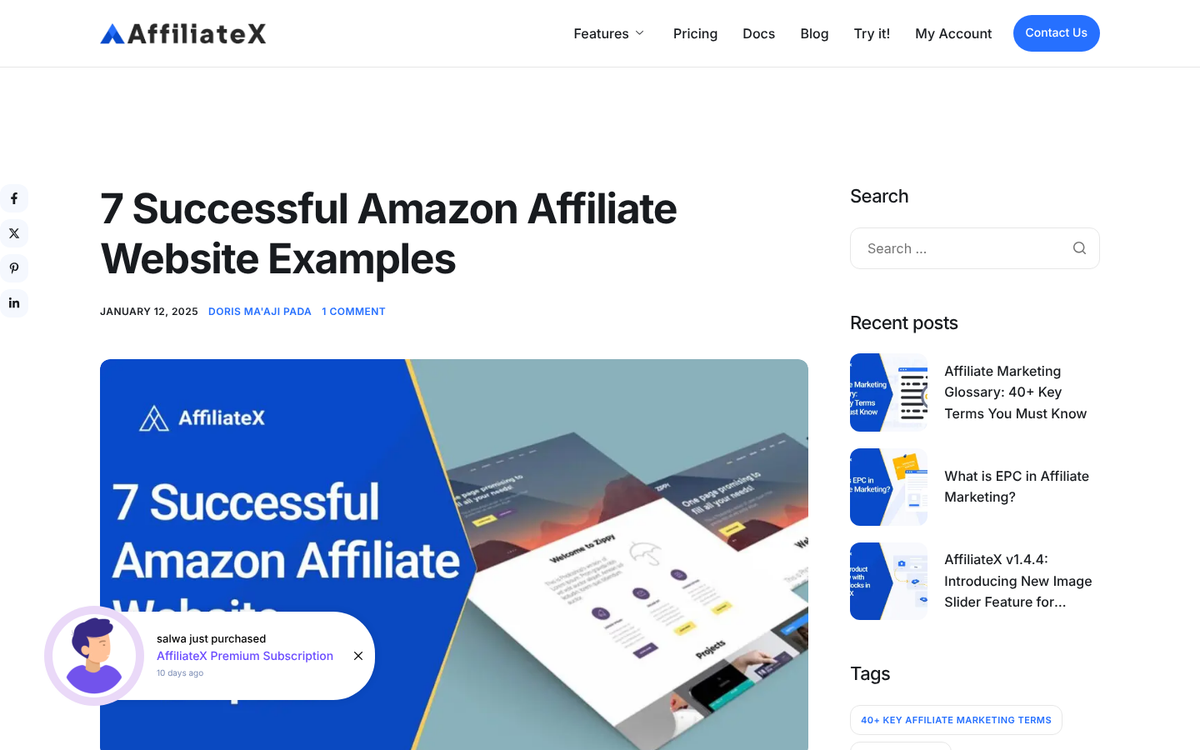
Amazon provides shortlinks, image links, text links, and combined image + price CTAs. You can use any or all of them on your site.
Everything from a simple "Buy on Amazon" button to a full embedded product card can convert. Test different formats across different posts and audiences to find what resonates. What works in one niche may flop in another, so don't assume - let the data tell you. For inspiration, check out these examples of successful CTA marketing campaigns.
15. Build a Comparison Grid
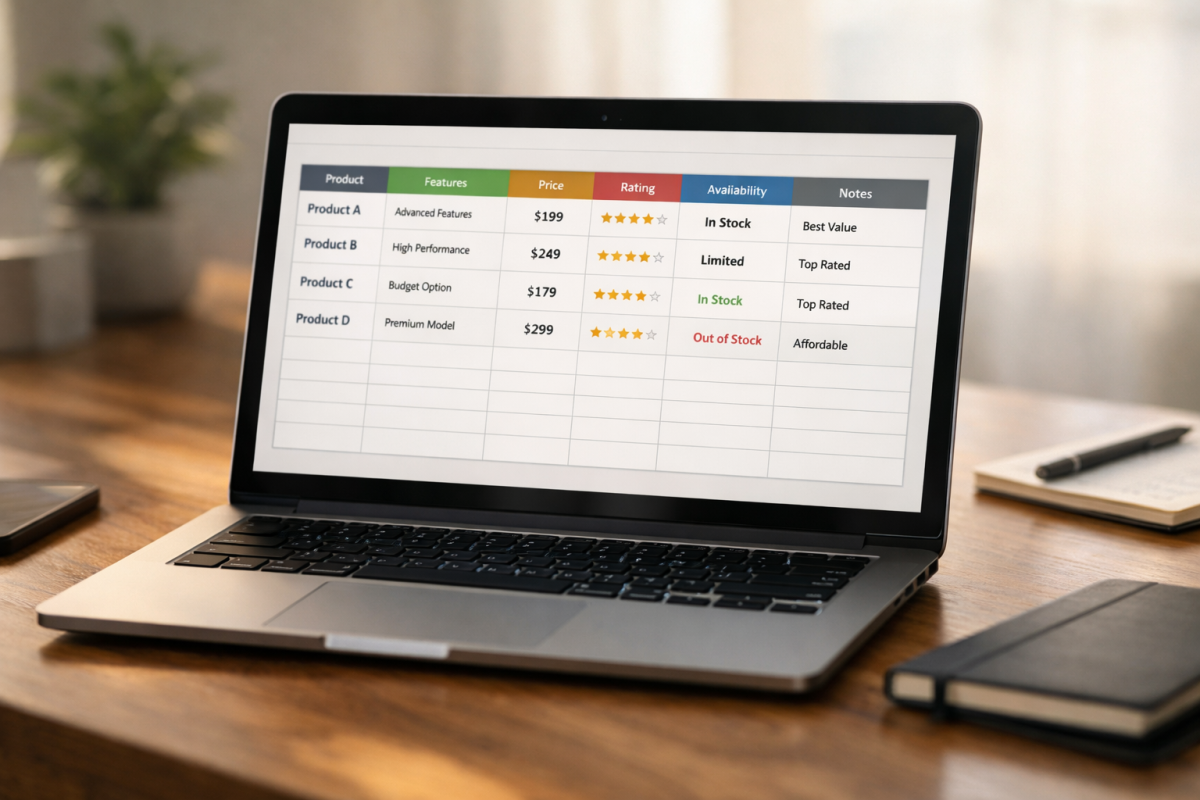
Once you've reviewed enough products in a similar category, create a single aggregate comparison page. This is one of the highest-converting page formats in affiliate marketing. A well-structured grid with product specs, price ranges, and links to individual reviews is genuinely useful to buyers in research mode - and those buyers are close to converting. Link out to your individual review pages to keep users on your site longer.
16. Monitor Sales and Deals
Sites like CamelCamelCamel and Slickdeals do a great job of tracking price history and deals on Amazon and other storefronts.
You can take advantage of these resources to publish timely posts about deals in your niche. Deal-based content can drive strong short-term traffic spikes, and users arriving through deal content are already in buying mode - which tends to convert well.
17. Make a Top Sales List
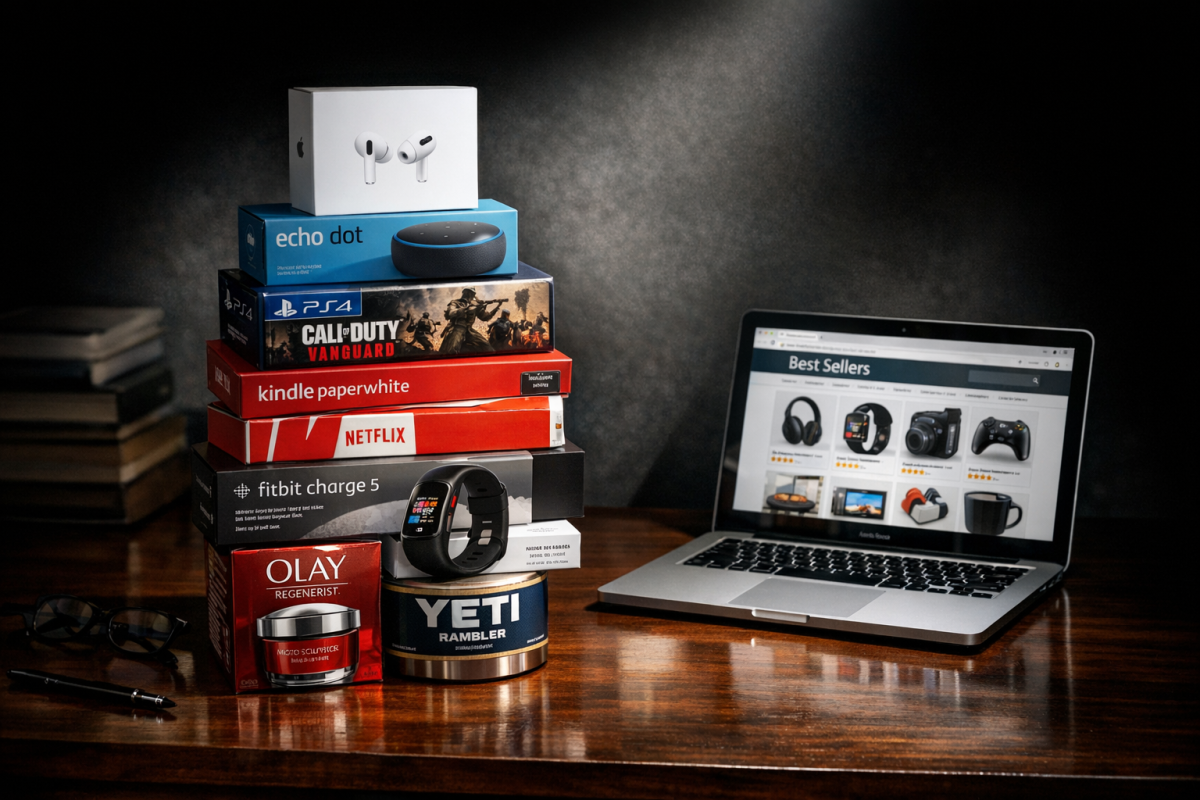
Amazon has a general bestsellers page you can find here. Search that page for items in your niche and publish a post about the best sellers in your space. You can link to your existing reviews, use the list to guide future content, and tap into the social proof that comes with highlighting what everyone else is already buying.
18. Split Test Everything

Test variations in your landing pages, review layouts, CTA placements, button sizes, and copy. You don't need to test review sentiment, but small layout and design changes can have a measurable impact on conversion rates. Run tests long enough to collect statistically meaningful data before making changes permanent.
19. Experiment with Video and Short-Form Media
YouTube remains a powerful platform for affiliate marketing, and you can include affiliate links in your video descriptions. But in 2026, short-form video on TikTok, Instagram Reels, and YouTube Shorts has become a legitimate and often highly effective channel for product discovery. A 60-second honest product demo can drive more affiliate clicks than a 2,000-word review in some niches. If you're comfortable on camera, lean into it - and if you want to properly grow your YouTube channel, there are proven strategies worth following. You might also consider the many ways to share and distribute your affiliate links across these platforms to maximize your reach.
20. Consider Tools and Plugins

There are a variety of tools that can help you run a more efficient Amazon affiliate site. Plugins like AAWP (Amazon Affiliate WordPress Plugin) are widely used for generating product boxes, comparison tables, and dynamic pricing. Tools for keyword research, rank tracking, and content optimization are also worth investing in once your site starts generating revenue. None of these are strictly required to get started, but the right tools can save you significant time as you scale.