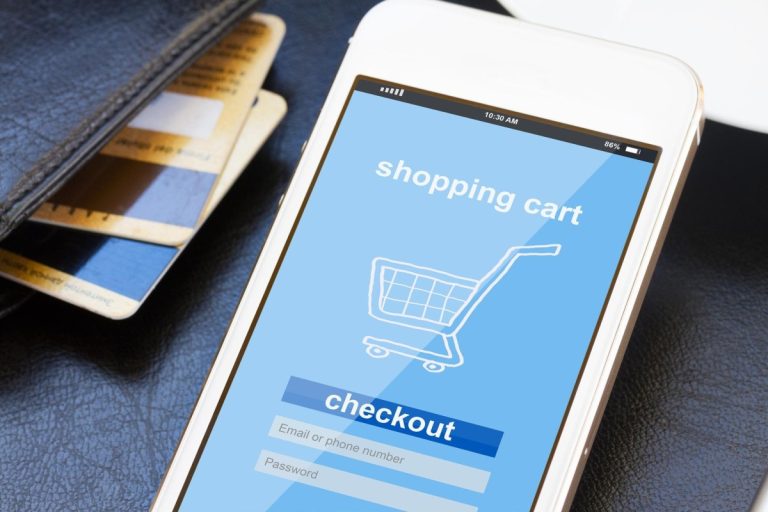
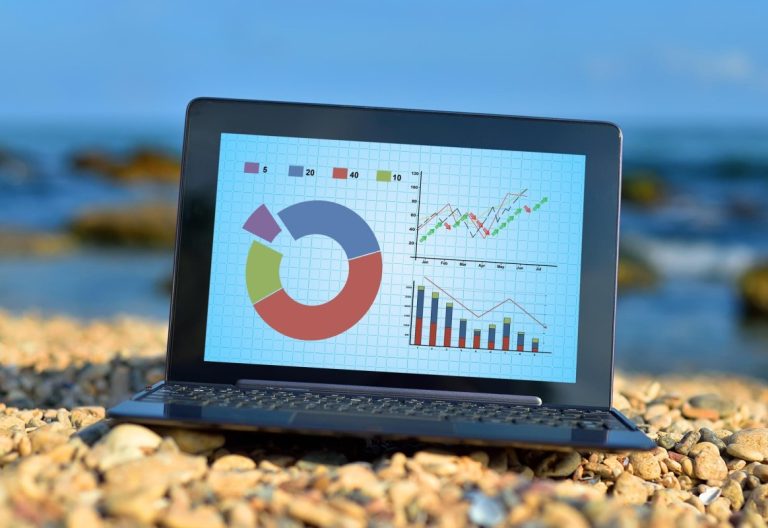
Often, when you're watching your website stats through analytics, the most obvious metric to monitor is traffic. Traffic drives everything. More traffic means more sales, less traffic means more problems. It's easy to fall into a rut of paying too much attention to traffic and too little to the real metrics, like sales and conversion rates.
Sometimes you'll take a look and find you're getting a ton of traffic, but your sales are flatlined. You have low sales, an incredibly low conversion rate, or no sales at all. What's wrong? There are a number of possible causes.
Key Takeaways
- High traffic with no sales often signals poor site design, unclear landing pages, or products being difficult to find.
- Missing social proof hurts conversions significantly; products with 11-30 reviews convert approximately 68% higher than those with none.
- Unexpected shipping costs and complicated checkout processes are leading causes of cart abandonment, per Baymard Institute research.
- Not all traffic converts equally; Google Search converts at 2-4% while TikTok traffic often converts at only 0.3-1%.
- Bot traffic, wrong audience targeting, and slow page load speeds can inflate analytics while contributing zero actual sales.
Reason #1

It's hard to find what you're selling. This one is typically a flaw with the design and layout of your site. If your web design doesn't point to your products, people can mill around on your blog and through your informative pages forever without realizing you're actually selling something too. Another related problem is when your links to your product pages look too much like banner ads or off-site advertising. Users don't want to click ads, they tend to overlook them entirely, so they'll be ignored and you won't get any sales.
Reason #2
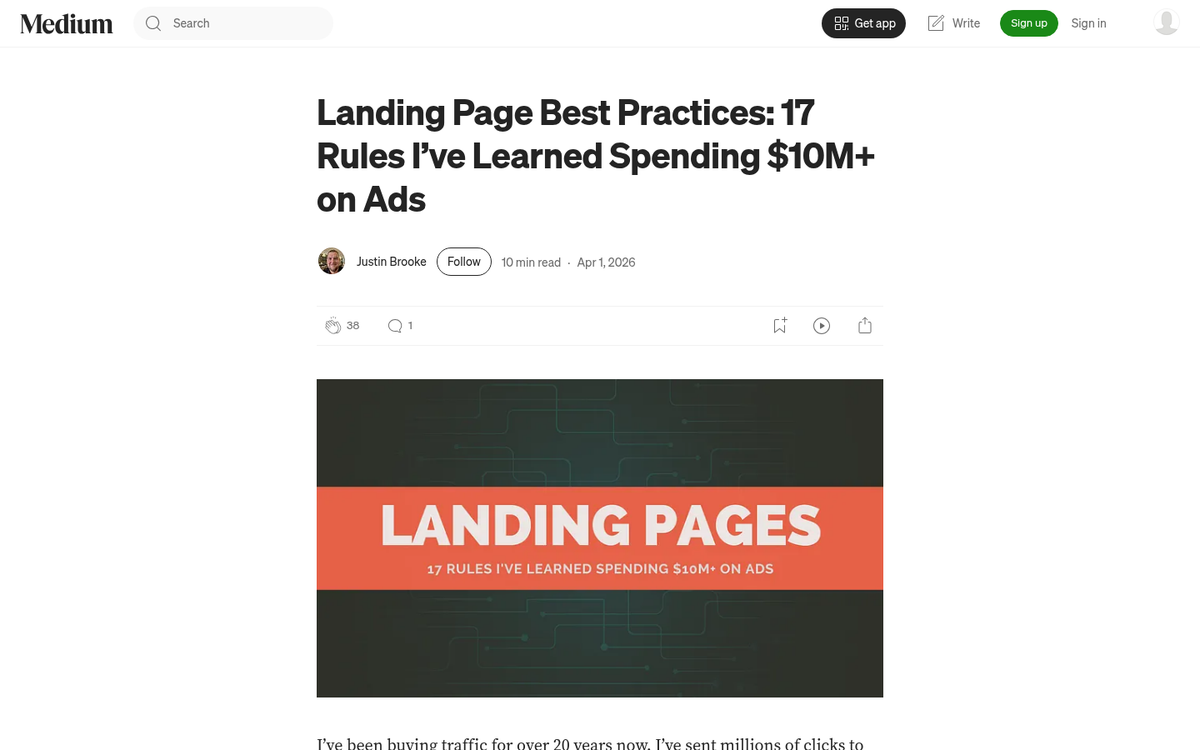
Your landing page is unclear or unfocused. When a user clicks an ad or a link through social media, you should be directing them to an optimized landing page designed to send them through a funnel into a conversion. If your landing page lacks a unique selling proposition, clear benefits, social proof, and a strong call to action, you're losing people before they ever reach checkout. Too many links to unrelated content are another common culprit - where there should be focus, there's distraction instead.
Reason #3
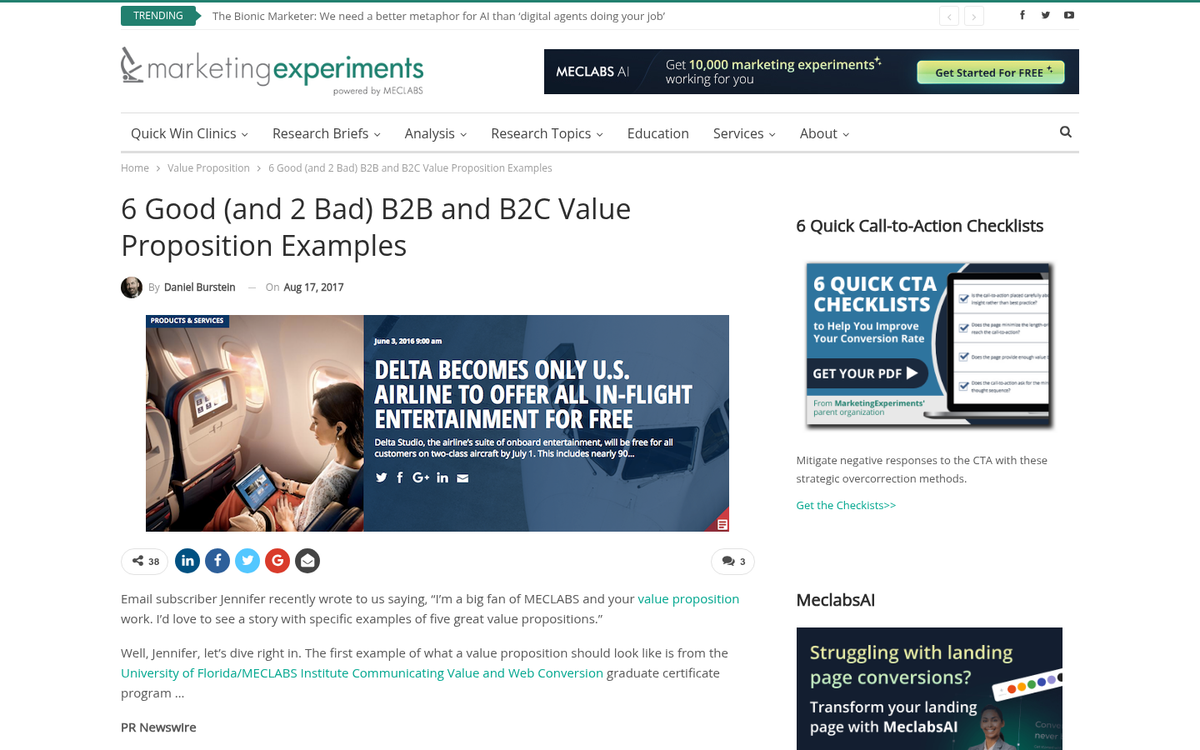
Your value proposition isn't good enough. Sometimes you're doing everything right, but you're selling a product no one wants. Ideally, you'll have performed market research before developing your product, let alone launching a website. Still, it's surprisingly common for new entrepreneurs to fall in love with an idea and invest heavily before validating whether anyone actually wants it. If traffic is high but conversion is near zero, this is worth interrogating honestly.
Reason #4

Your product images are poor quality. A picture is worth a thousand words, and in ecommerce, a great image is worth a thousand dollars. Low quality photos make your shop look poorly maintained and erode trust fast. In 2026, shoppers expect multiple high-resolution angles, lifestyle shots, and in many categories, short product videos. If you're still working with one blurry stock-looking image, you're leaving conversions on the table.
Reason #5
You have no reviews or social proof. This one has become increasingly critical. Research from PowerReviews found that products with just 11-30 reviews convert approximately 68% higher than products with zero reviews. In a marketplace where shoppers are savvier than ever, a product page with no reviews is a red flag. If you're driving traffic to brand new listings with nothing to show for credibility, don't be surprised when visitors leave without buying. Consider strategies to get more reviews on your products before scaling up your traffic efforts.
Reason #6
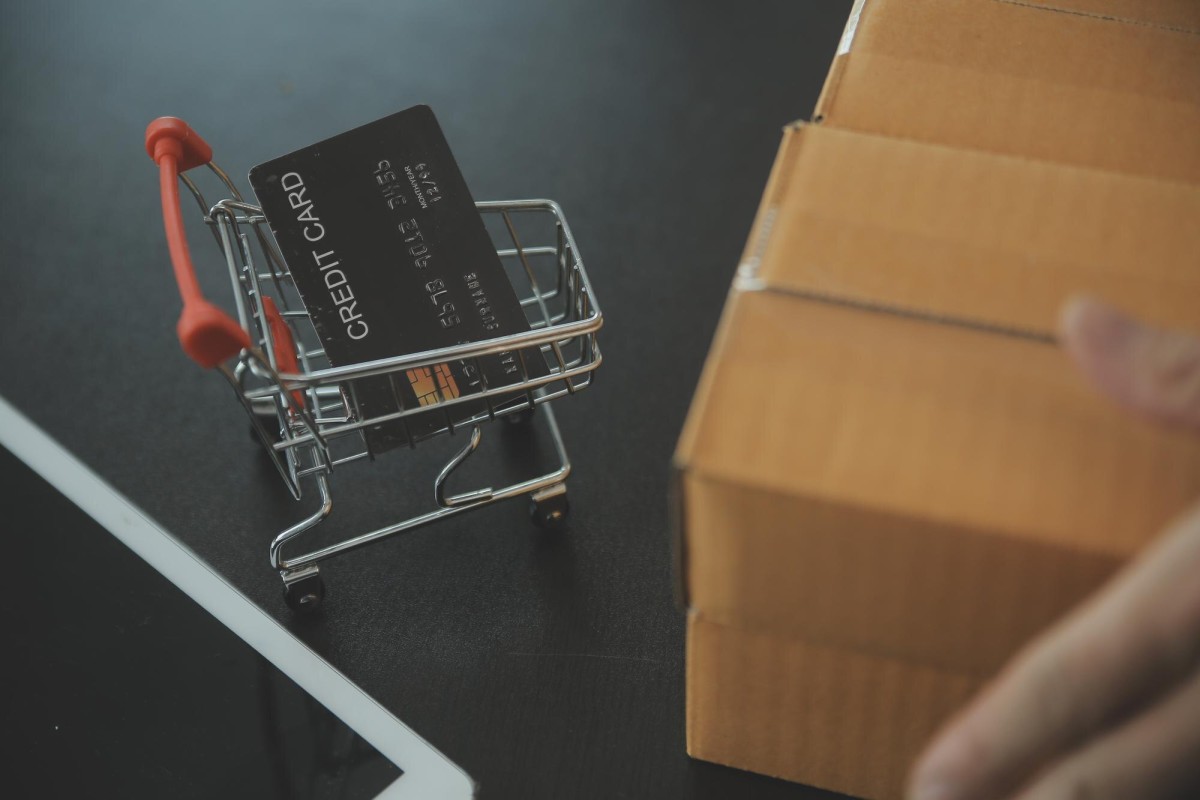
Your shipping costs are killing the deal. This remains one of the most common causes of abandoned carts. The Baymard Institute has consistently found that around 69.8% of online shoppers abandon their carts, with unexpected shipping costs being a leading reason. If someone is adding your product to their cart and then disappearing, your checkout page is probably where you're losing them. Who wants to pay $15 shipping on a $10 product?
Reason #7
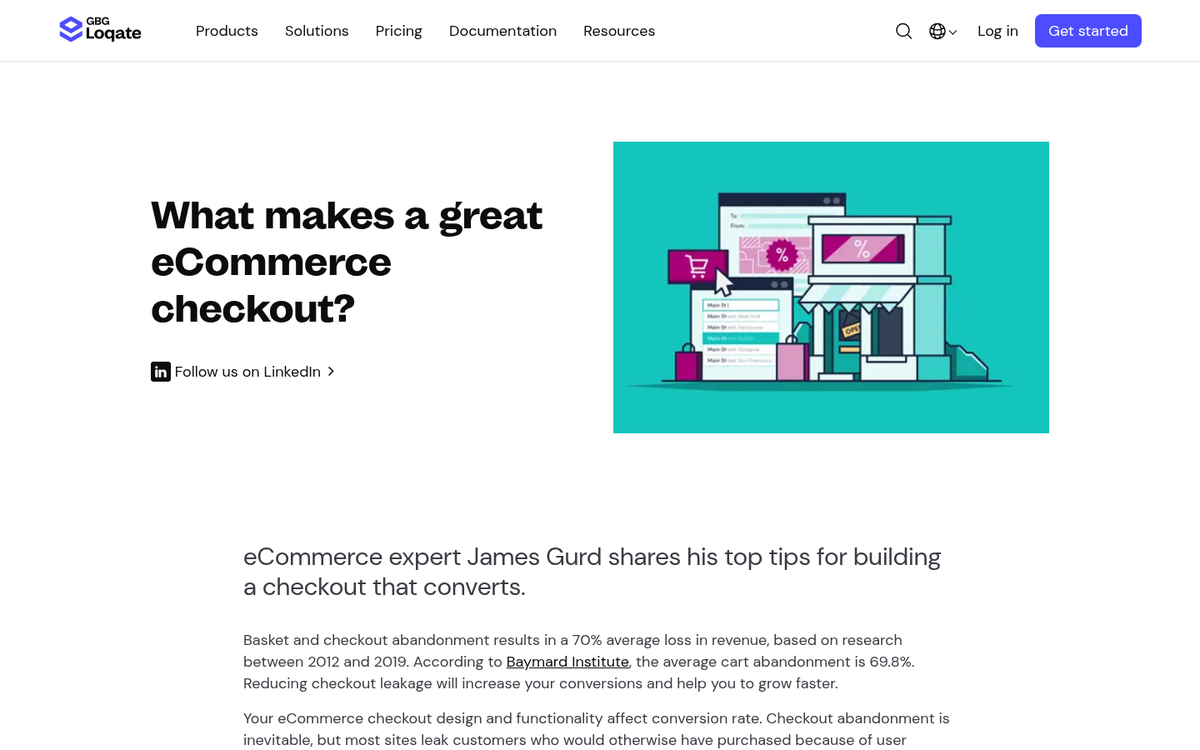
Your checkout process is too complicated. Beyond shipping costs, Baymard's research points to checkout complexity as a major abandonment driver. Too many steps, forced account creation, confusing form fields, or a lack of guest checkout options will cause people to bail. Streamlining your checkout flow - even just reducing the number of steps - can have a meaningful impact on conversion rates.
Reason #8
Your site is slow to load. Google's own data shows that 53% of mobile site visits are abandoned if a page takes longer than 3 seconds to load. If you're getting a lot of incoming users but they're bouncing immediately, page speed is a likely culprit. Run your site through Google PageSpeed Insights and take the results seriously. In 2026, slow sites don't just lose sales - they also lose search rankings.
Reason #9
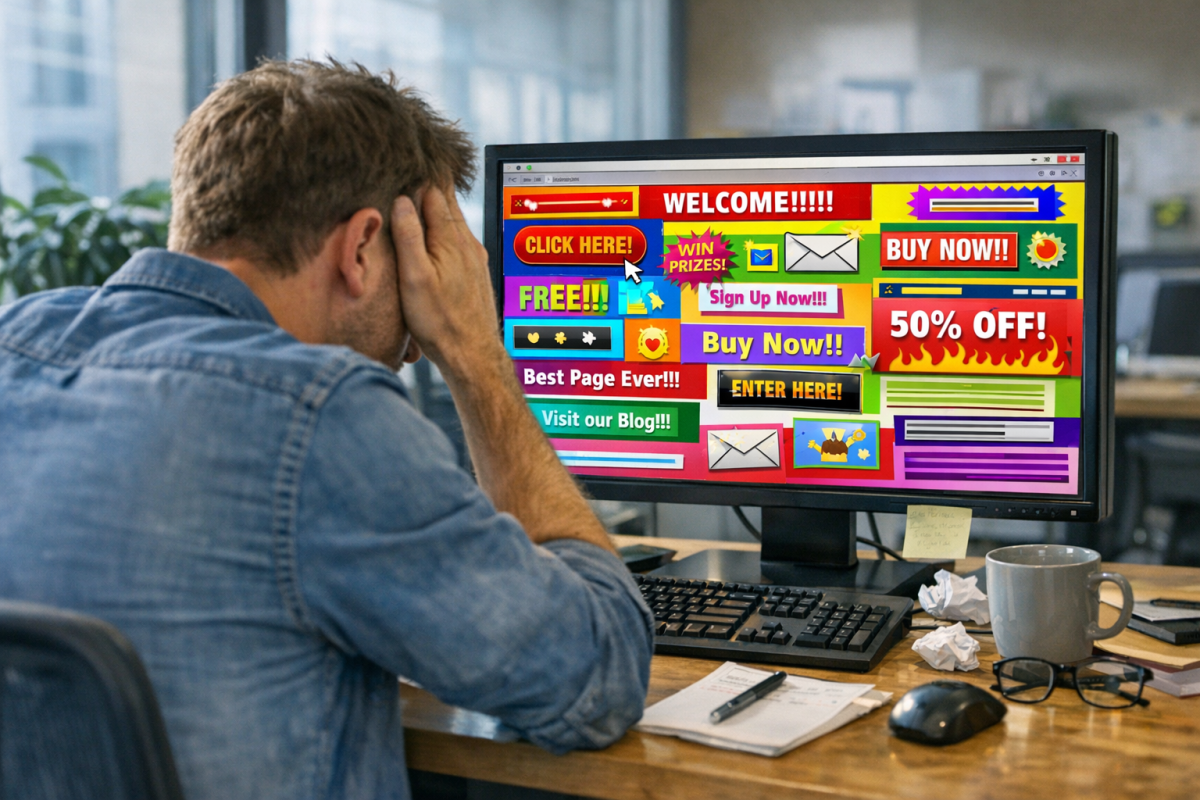
Your site looks unprofessional or untrustworthy. Web design, visual consistency, and a sense of polish are all required to make a professional site. The cheaper or more home-made a site looks, the less trustworthy it appears. A bad site design might include poor color choices, inconsistent fonts, cluttered layouts, missing contact information, autoplay videos, or no visible trust signals like secure checkout badges, return policies, or real contact details. Any of these can silently kill conversions.
Reason #10
Your traffic source doesn't convert. Not all traffic is created equal - not even close. Google Search traffic typically converts at 2-4%, while TikTok traffic for the same store often converts at only 0.3-1%. If you've built your entire traffic strategy around viral short-form content or top-of-funnel social posts, you might be racking up impressive visitor numbers that were never likely to buy in the first place. Know what type of traffic converts best and understand how to get website traffic that converts to sales - because what conversion rate is realistic varies greatly depending on that channel.
Reason #11

You're optimizing for traffic instead of sales. This is a subtle but expensive mistake in paid advertising. In tested campaign comparisons, sales-optimized campaigns have shown conversion rates up to 89.5% higher than traffic-focused campaigns - even when the traffic campaign had a higher click-through rate. Clicks are not sales. If your ad campaigns are set up to maximize visits rather than conversions, you're essentially paying to window-shop.
Reason #12

Your traffic is coming from spam or bot sources. If you went to a cheap service to buy a bundle of traffic, you're getting exactly what you paid for. Bot traffic inflates your analytics numbers without ever contributing a single dollar to your revenue. Make sure you're filtering bot and spider traffic in Google Analytics 4, and if your traffic sources look suspicious - unusually high sessions, zero engagement, 0-second visit durations - investigate before drawing any conclusions about your conversion rate.
Reason #13
You're targeting the wrong audience. This is less of a flaw with the traffic itself and more of a flaw with how you're acquiring it. Whether through paid ads or organic content, if you're attracting people who have no real interest in what you're selling, you'll see plenty of traffic and almost no sales. Dig into your audience data, revisit your targeting parameters, and make sure the people landing on your site are actually the people you built your product for.
Reason #14
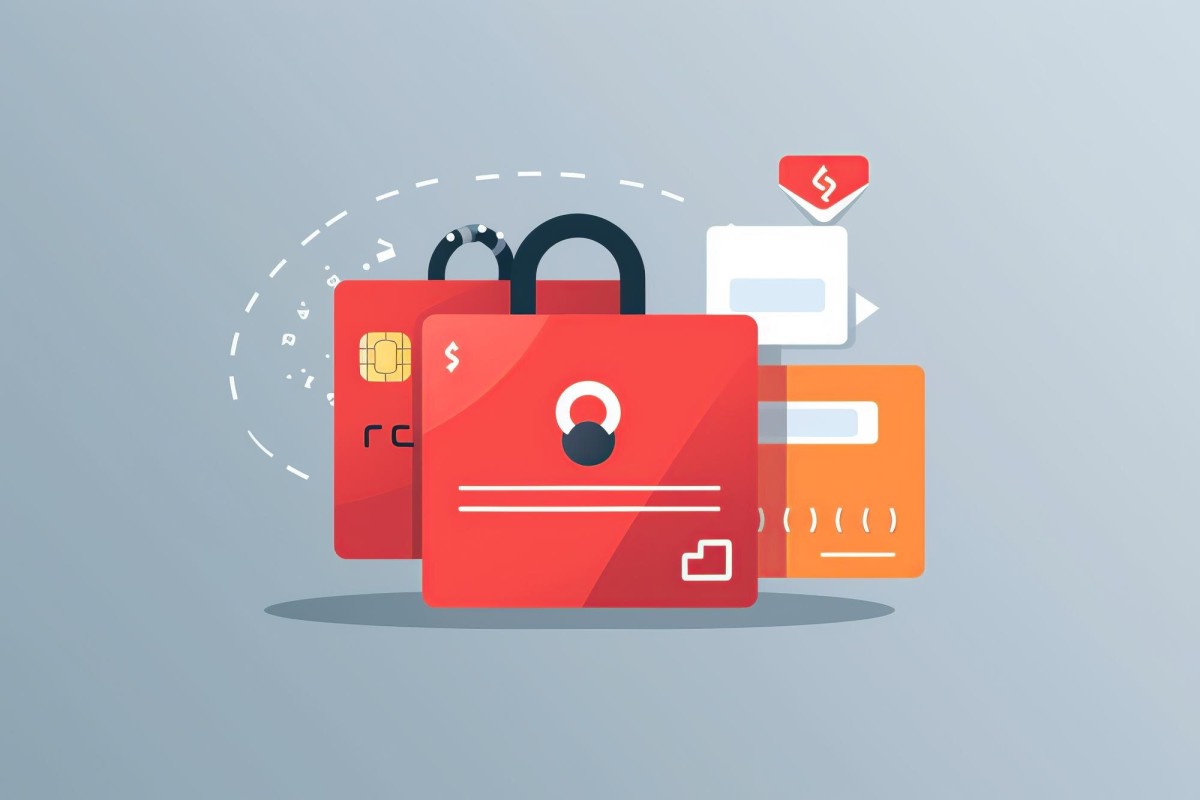
Your payment system isn't secure or trustworthy. There's a reason platforms like Shopify Payments, Stripe, Square, and PayPal dominate ecommerce - they're trusted by consumers. If your checkout doesn't have SSL, doesn't display recognizable payment logos, or looks even slightly off, people will abandon before entering their card details. SSL is non-negotiable in 2026, and so is offering payment options people actually recognize and trust.
Reason #15
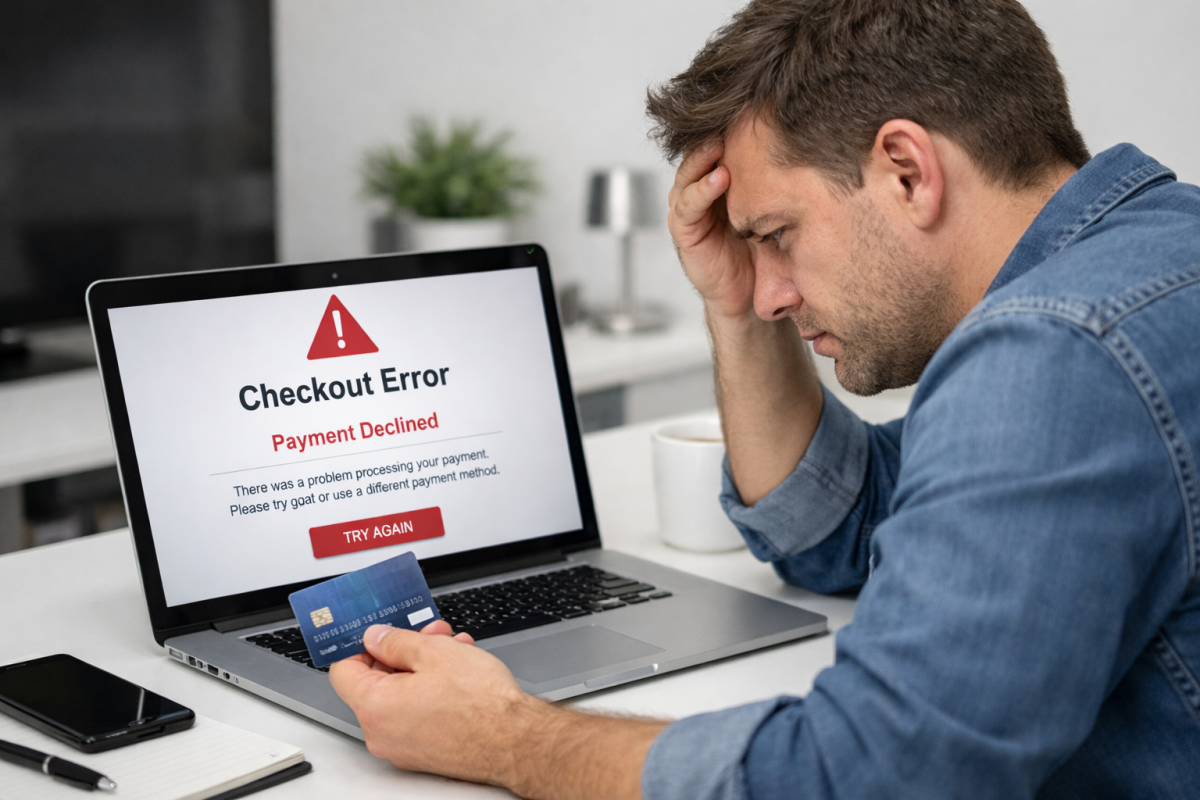
Your payment system is broken. It sounds obvious, but it happens more than you'd think. If users are getting as far as checkout and then hitting an error or timeout, you're losing sales to a technical failure rather than a marketing one. Regularly test your own checkout flow - on desktop and mobile - to make sure the entire process works from start to finish without any hiccups. If you're also seeing broader technical issues on your site, learn how to diagnose and fix an internal server error before it costs you more customers.
Reason #16
Your sales and support channels are absent or hard to find. Sometimes people want a little more reassurance before they commit to buying, and they want to contact you directly. If you don't have visible contact information, a live chat option, or at minimum a well-stocked FAQ page, that hesitation turns into a lost sale. Trust is built through accessibility, and the easier you make it for customers to reach you, the more confident they'll feel handing over their money.