Key Takeaways
- PageRank still exists internally at Google and remains a significant ranking factor, even though the public toolbar score was retired in 2016.
- Link quality and diversity matter more than quantity; one authoritative, relevant backlink outweighs hundreds of low-quality links.
- Internal linking is a high-ROI, commonly neglected tactic that distributes authority across pages and helps Google understand site structure.
- Evergreen content compounds value over time, continuously attracting organic links long after publication.
- Unlinked brand mentions are underutilized opportunities; tools like Ahrefs or Google Alerts help identify them for outreach.
What Is PageRank in 2026 - And Why Does It Still Matter?
Google's PageRank was, for a long time, one of the key metrics that webmasters used to gauge the success of their sites. Developed by Larry Page and Sergey Brin back in 1996 as a college research project, it became one of the foundational pillars of Google's algorithm. The concept was simple enough: the more high-quality links pointing to your page, the more important it must be. Google even made it visible to the public through the Google Toolbar, launched in 2000, which displayed a score from 0 to 10.
Then Google took it away. The toolbar was retired in 2016, and the public-facing PageRank score disappeared with it. The original PageRank patent, filed in September 1998, expired in 2018, and a former Google employee has stated the original algorithm hadn't been actively used since around 2006. Too many webmasters were gaming the number, chasing PR scores instead of focusing on what Google actually cares about: providing genuine value to users.
But here's what's important to understand in 2026: PageRank is not dead. A version of it still exists internally at Google and remains one of the most significant factors out of 200+ signals used to rank websites. Google simply stopped letting you see it. The damping factor - approximately 0.85 - means only 85% of a page's PageRank passes through any given link, with the remaining 15% effectively lost. The scale itself was logarithmic, possibly base 5, meaning a PR4 page could be 25 times more authoritative than a PR2 page. These aren't small differences.
So while you can't check your PageRank score in 2026, the underlying principles are as relevant as ever. Build authority. Earn quality links. Create content worth linking to. The tactics that used to boost your toolbar score are largely the same tactics that drive organic rankings today - they've just been supplemented by newer signals like Core Web Vitals, E-E-A-T, and AI-influenced search features.
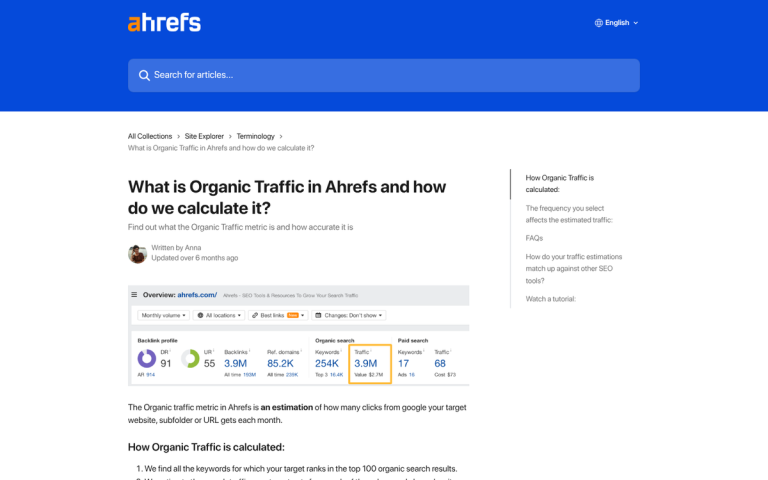
Most of the strategies below will also help you improve other authority metrics that are publicly visible, like Ahrefs' Domain Rating or Moz's Domain Authority, as well as your organic search traffic overall. Think of PageRank less as a score to chase and more as a framework for thinking about link authority and site credibility.
1. Create a Strong Foundational URL Structure

One of the key factors in search is the ability for users - and crawlers - to find what they're looking for. One of the easiest ways to accomplish this is to have a URL structure that makes sense. Keep URLs clean, descriptive, and relatively short. A truncated version of the post title works well. You should also have logical breadcrumbs and a sensible category hierarchy rather than a tangled web of overlapping tags.
2. Write Better Meta Content
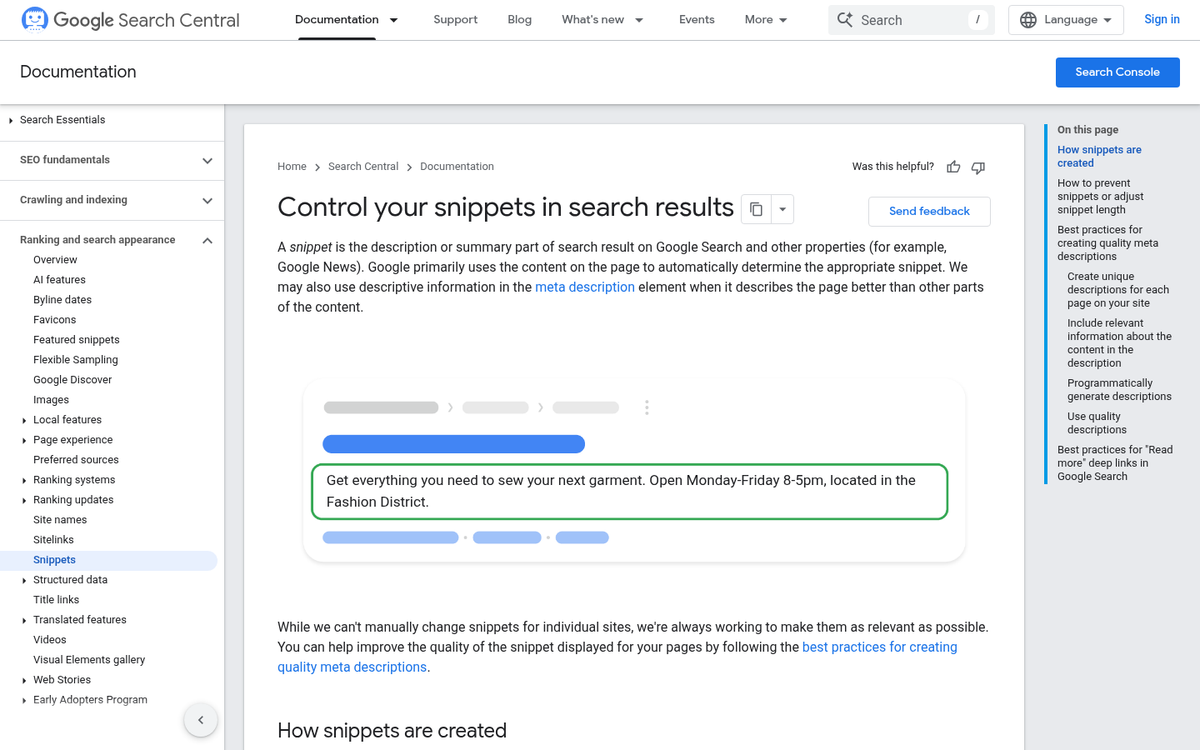
Your meta title and description are what show up in search results, and they carry more weight than many people realize. The keywords you use in your metadata influence how Google interprets and ranks your content. Always make sure your meta title and description accurately reflect the actual content on the page. Misleading or disconnected metadata is a quick path to higher bounce rates and ranking penalties.
3. Use Image Alt Tags

Image alt tags serve double duty: they're an accessibility feature for visually impaired users relying on screen readers, and they're a piece of metadata you can use to reinforce your keyword relevance. Choose descriptive, accurate alt text that reflects what the image actually shows. Don't keyword-stuff them - write them the way you'd describe the image to someone who can't see it, similar to how you'd approach using H1, H2, or H3 tags thoughtfully rather than just for SEO gain.
4. Create More Content
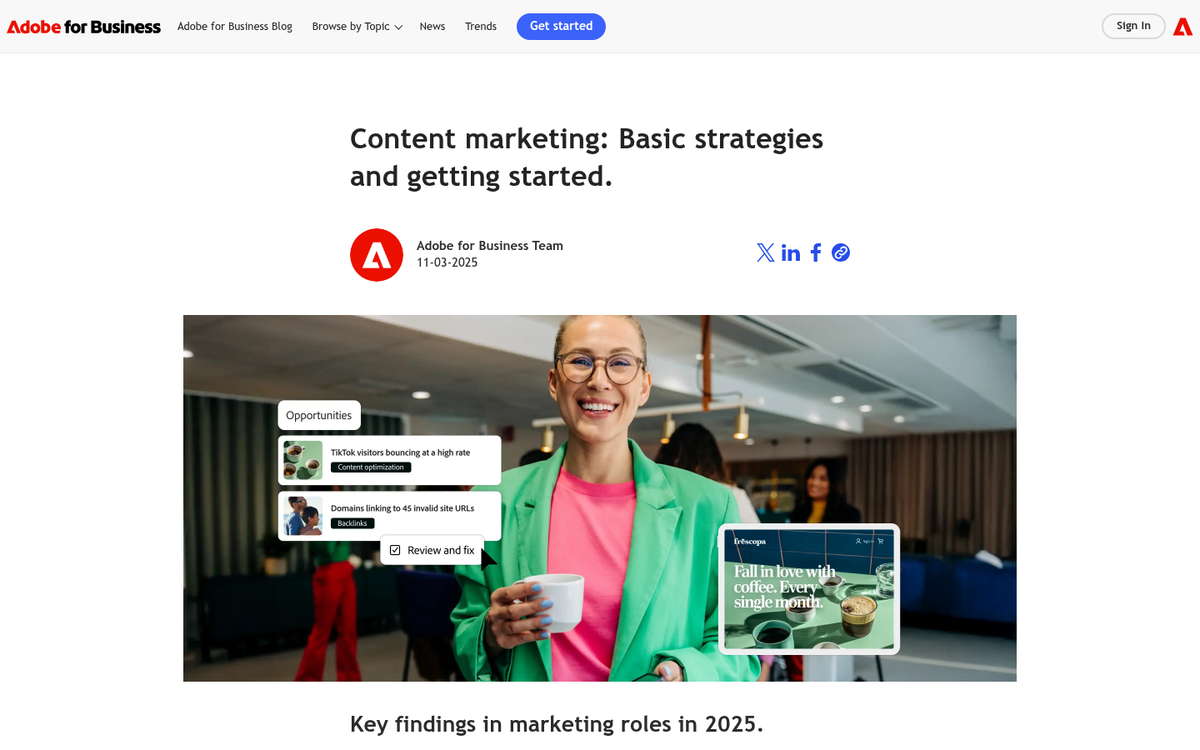
The numbers game is real. More high-quality content means more opportunities to earn inbound links. Publish more content, earn more links to that content, build more authority. The emphasis here is on quality - avoid rehashing what's already been covered a hundred times, avoid thin content that adds no new perspective, and strive to write the most useful, comprehensive piece available on a given topic. In 2026, with AI-generated content flooding the internet, original insight and genuine expertise matter more than ever.
5. Create Content Regularly
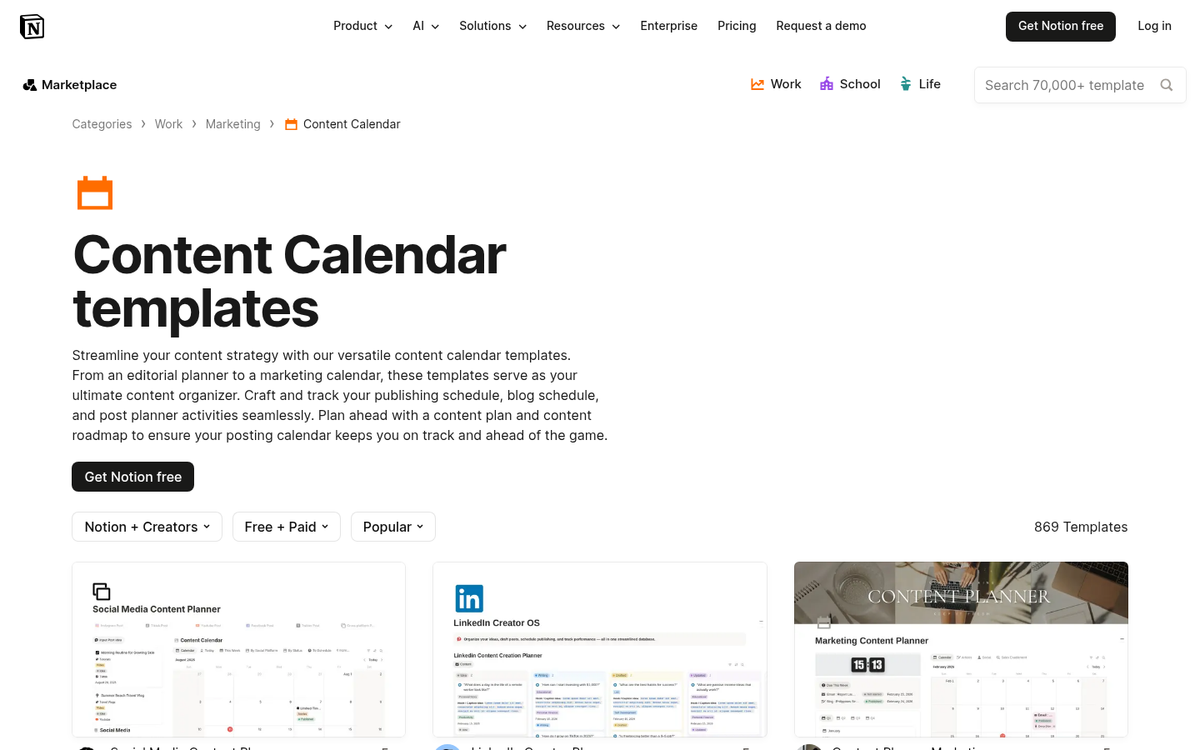
A consistent publishing schedule keeps you sharp, keeps your audience engaged, and keeps Google crawling your site. It also forces you to stay on top of your industry, which naturally leads to more relevant and timely topics. If you're worried about what happens to your rankings when you stop posting, the short answer is it's not good. I highly recommend using an editorial calendar and scheduling posts several weeks or months in advance. This gives you the breathing room to write content you're actually invested in rather than scrambling to hit a deadline. Tools that help you generate article topics and titles can also make the planning process much easier.
6. Continually Link Internally
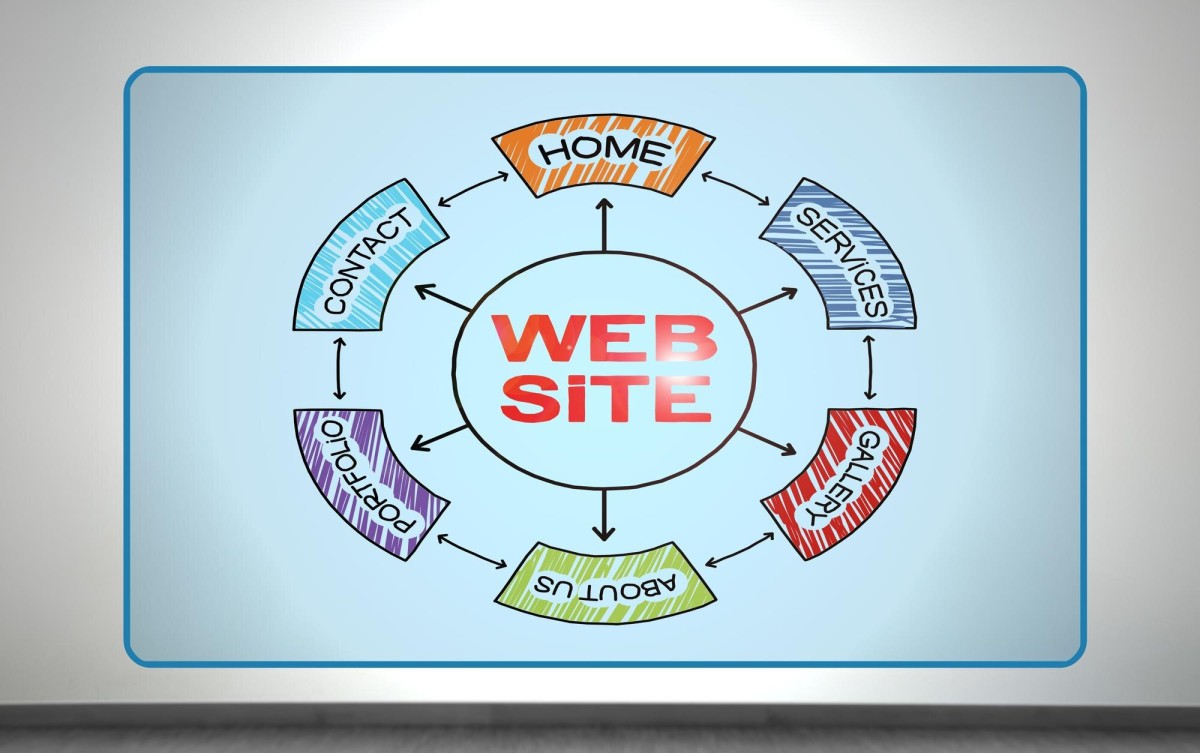
Internal links are just as important as inbound backlinks. They help users navigate deeper into your site, help Google understand your site structure, and distribute authority across your pages. Every post you publish should link to a handful of relevant existing posts, and older posts should be updated to link to newer content where appropriate. Done right, internal linking is one of the highest-ROI SEO tasks you can perform - and one of the most commonly neglected.
7. Audit and Remove Bad Backlinks
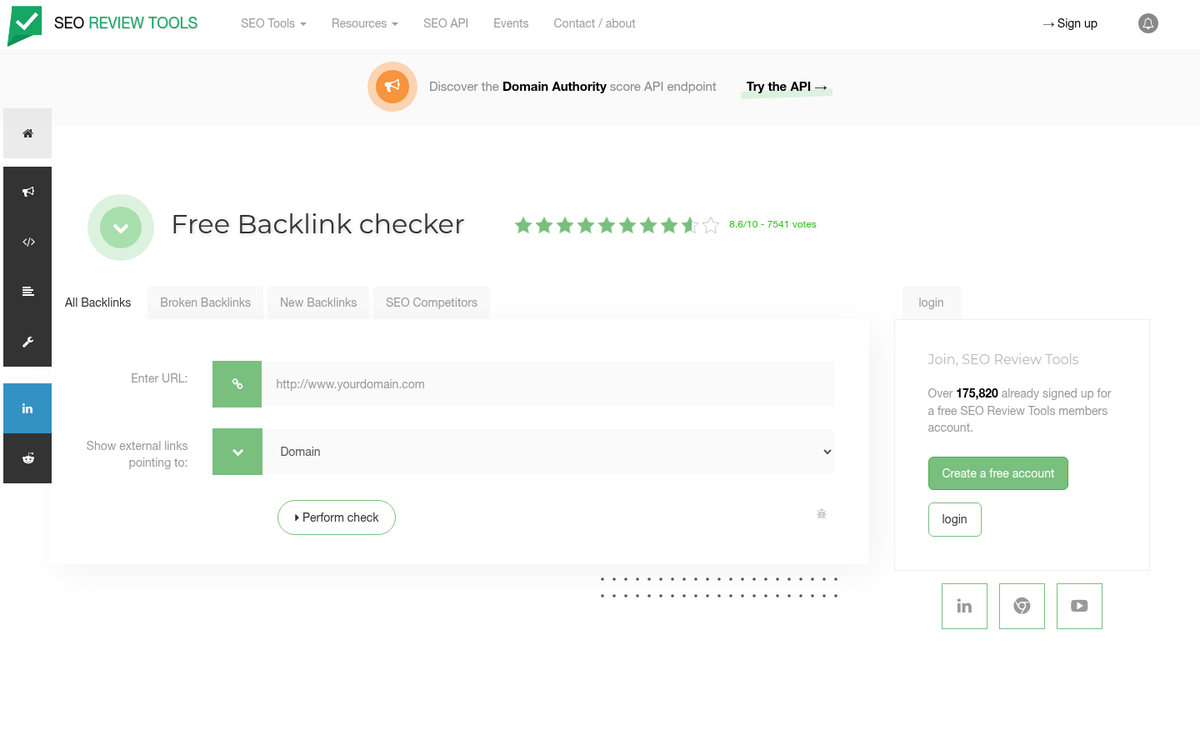
Just as good incoming links build your authority, toxic links can drag you down. On a regular basis, audit your backlink profile using tools like Ahrefs, Google Search Console, or Semrush. Identify spammy, irrelevant, or suspicious links and disavow them through Google's disavow tool. This is especially important if your site has been around for years and has accumulated links from sources that have since turned into link farms or spam networks.
8. Identify Top-Ranking Pages and Earn Links
For any keyword you're targeting, look at the pages that are currently ranking in the top positions. These are the pages that Google has deemed most authoritative and relevant for that query. Study them, understand why they're ranking, identify who's linking to them using a backlink tool, and then reach out to those same sites with a compelling reason to link to your content instead - or as well. It's a targeted, efficient approach to link building that focuses your energy where it matters most.
9. Guest Post for Links - Even NoFollow
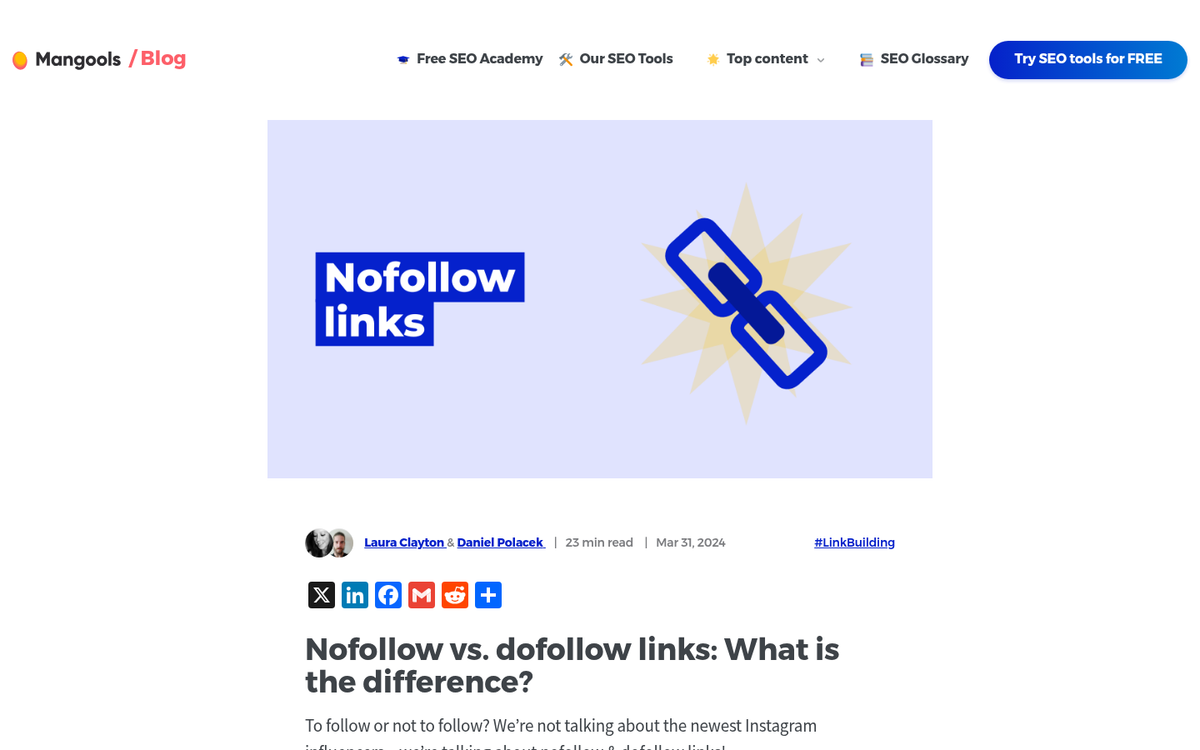
NoFollow links used to be seen as worthless. That's no longer the case. NoFollow links still drive traffic and build brand awareness, and since Google moved to treating NoFollow as a "hint" rather than a directive back in 2019, there's reason to believe they carry at least some weight in certain contexts. More importantly, one good NoFollow link on a high-traffic site can lead to multiple DoFollow links down the road as new visitors discover your content and link to it organically. If you're considering opening your site to contributors, learn whether allowing guest bloggers is right for you, and be sure to read up on how to properly use NoFollow on your blog posts before you start.
10. Speed Up Your Site
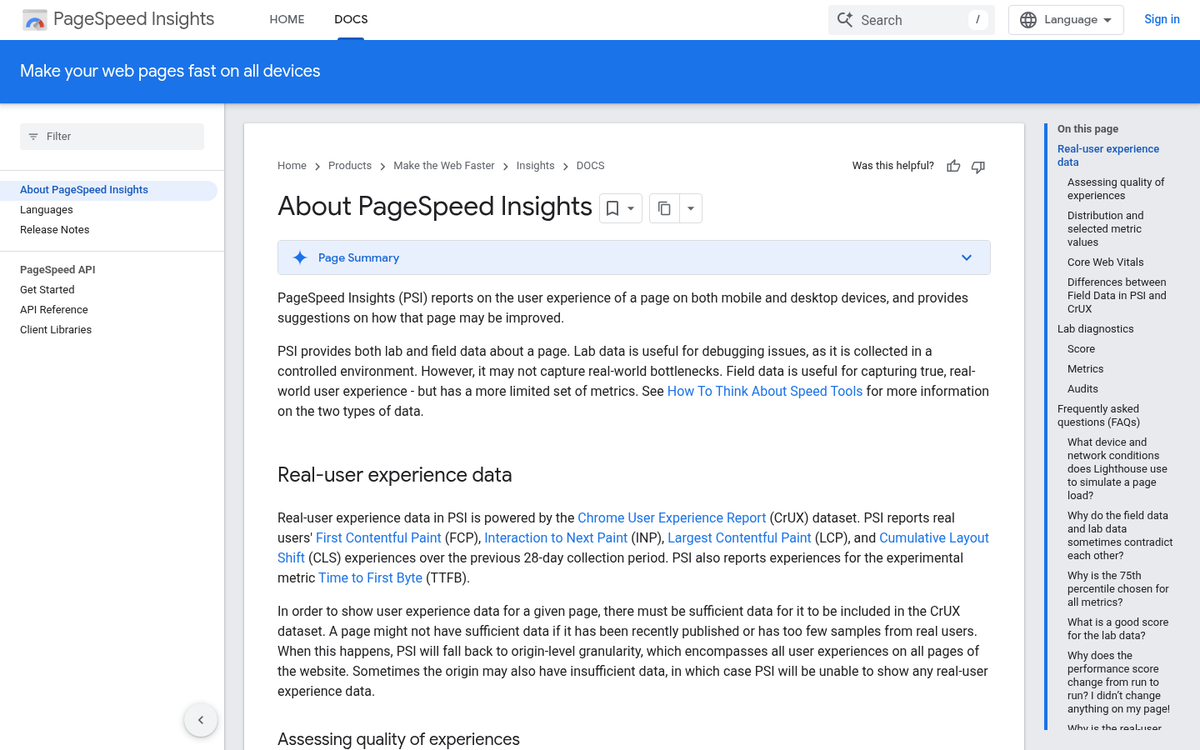
Site speed has been a ranking factor for years, and in 2026 it's more important than ever. Core Web Vitals - including Largest Contentful Paint, Cumulative Layout Shift, and Interaction to Next Paint - are baked into Google's ranking signals. A slow site doesn't just hurt your rankings; it drives users away before they even see your content. Audit your plugins, checking whether comments plugins are slowing things down, compress images, minimize render-blocking scripts, and use a CDN if you're serving a global audience - though be aware that a CDN like Cloudflare can sometimes turn away customers if not configured carefully.
11. Build Up Social Media
Social media links themselves don't pass significant PageRank value, but the downstream effects are real. Content that spreads on social media gets seen by more people, including bloggers, journalists, and site owners who may then link to it organically. Focus on the platforms where your audience actually spends time. In 2026, that might mean LinkedIn, YouTube, or even newer platforms depending on your niche - not just the legacy giants. Consistency and genuine engagement matter far more than posting volume.
12. Hire a PR Agency

I don't mean a PageRank agency - I mean an actual public relations firm. A mention or link from a high-authority news outlet like TechCrunch, Reuters, or a major industry publication is worth more than hundreds of links from mid-tier blogs. PR professionals have the relationships to make this happen. If a full agency retainer is out of budget, consider working with a freelance consultant who specializes in your industry.
13. Help a Reporter Out - Or Use the Alternatives
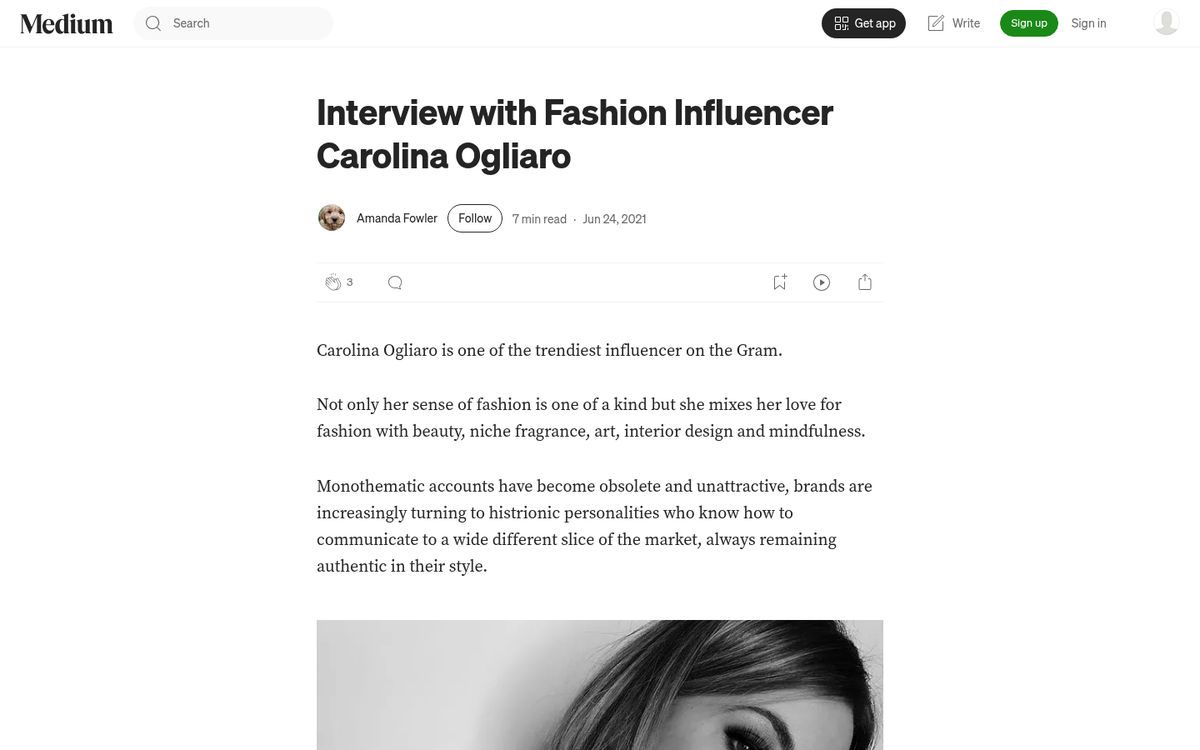
HARO (Help A Reporter Out) was the go-to platform for earning media mentions and backlinks by positioning yourself as an expert source. HARO as it existed has changed significantly - it was acquired and rebranded as Connectively, and has since undergone further changes. Regardless of the platform, the underlying strategy remains valuable. Journalists constantly need expert sources, and being quoted in a news piece almost always comes with a link. Look for journalist request platforms still active in 2026, or follow relevant journalists directly on social media and engage when they're sourcing experts.
14. Interview Influencers
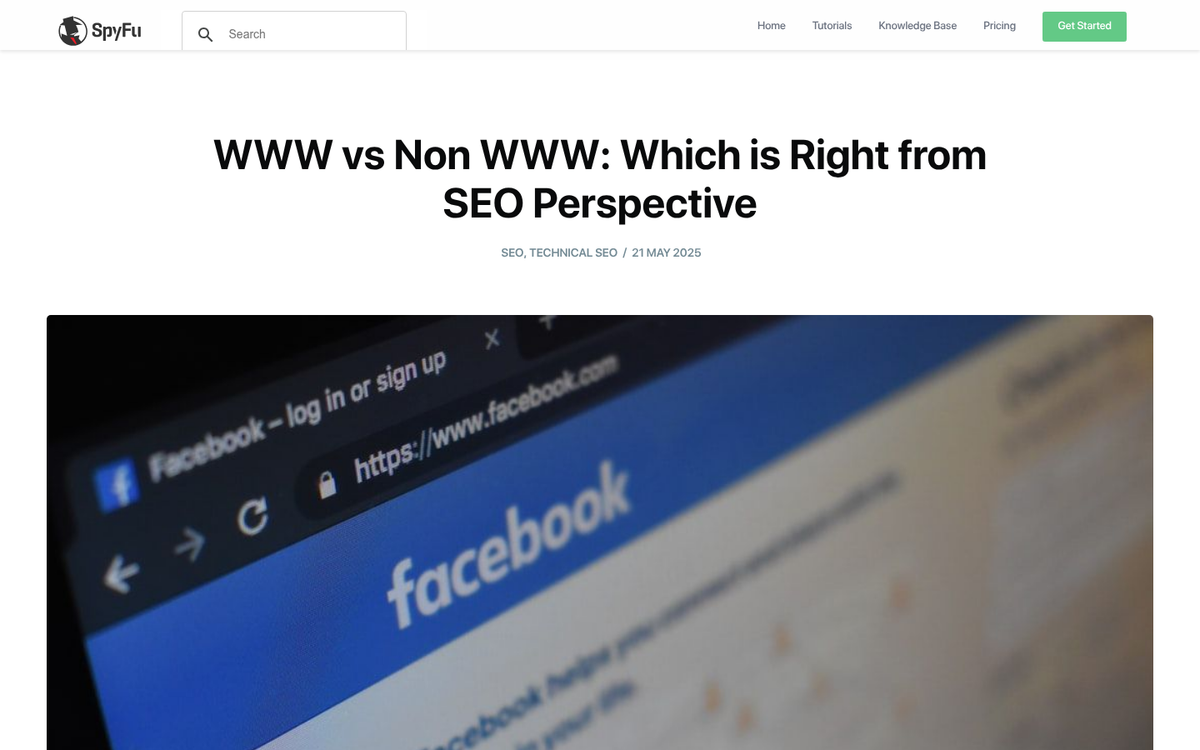
Playing the role of interviewer is one of the smartest link-building moves available. When you publish an interview with a respected figure in your industry, they almost always share it with their audience - and sometimes link back to it from their own site. It builds your credibility by association and generates content that their followers are already interested in. Reach out, be professional, make it easy for them to say yes, and publish something genuinely worth reading.
15. Make WWW and Non-WWW URLs Consistent
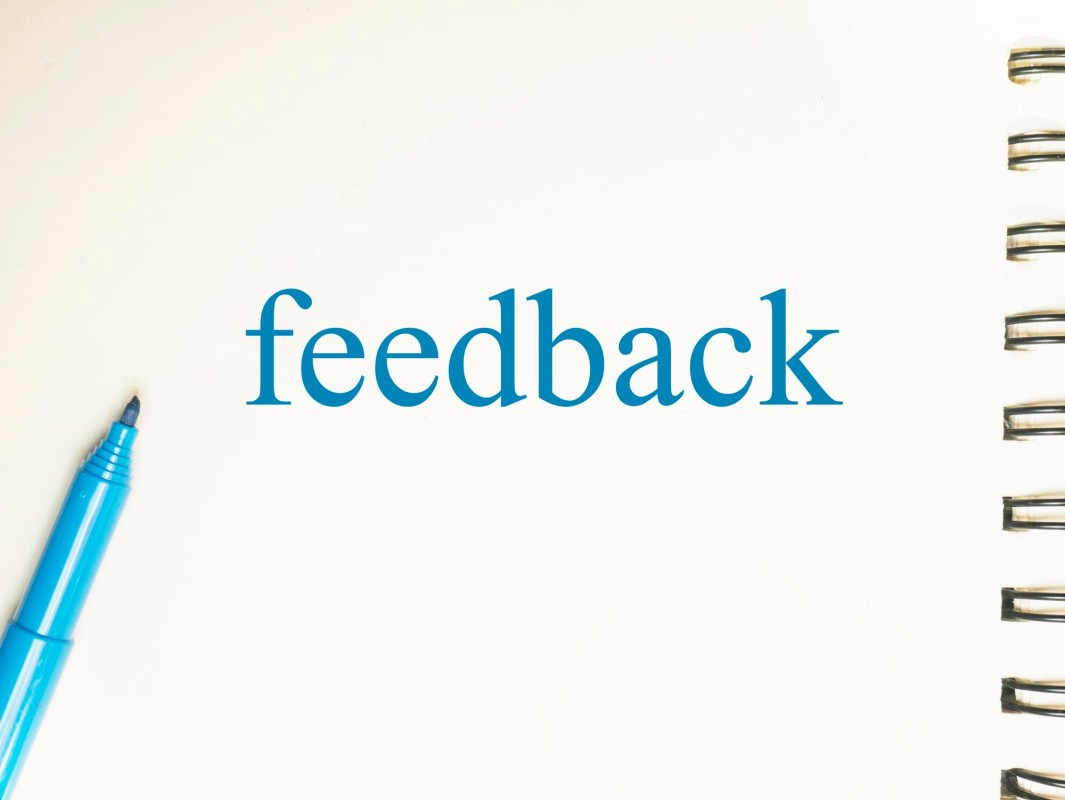
This is a simple housekeeping task that still trips people up. Your site should consistently resolve to one version - either www.example.com or example.com - with the other permanently redirecting to it. The same principle applies to HTTP versus HTTPS. If you haven't migrated to HTTPS yet in 2026, that's an urgent fix, not an optional one. Fragmented link equity across multiple versions of the same URL is wasted authority you can easily reclaim.
16. Solicit Good Testimonials
A well-placed testimonial can earn you a link from a high-authority site in your industry. If you use software, tools, or services relevant to your niche, reach out and offer to write a genuine testimonial. Companies love featuring customer success stories on their sites, and they'll often link back to you. It's a low-effort, high-return tactic that most people overlook entirely.
17. Donate to Charities
This one looks selfless but has a practical edge. When you make a meaningful donation to a charity, many will feature your brand or business on their donor page with a link. Charity sites tend to carry solid domain authority and are considered trustworthy by Google. The links won't always be the most topically relevant, but they're genuinely earned and come from credible sources.
18. Do Some Broken Link Building
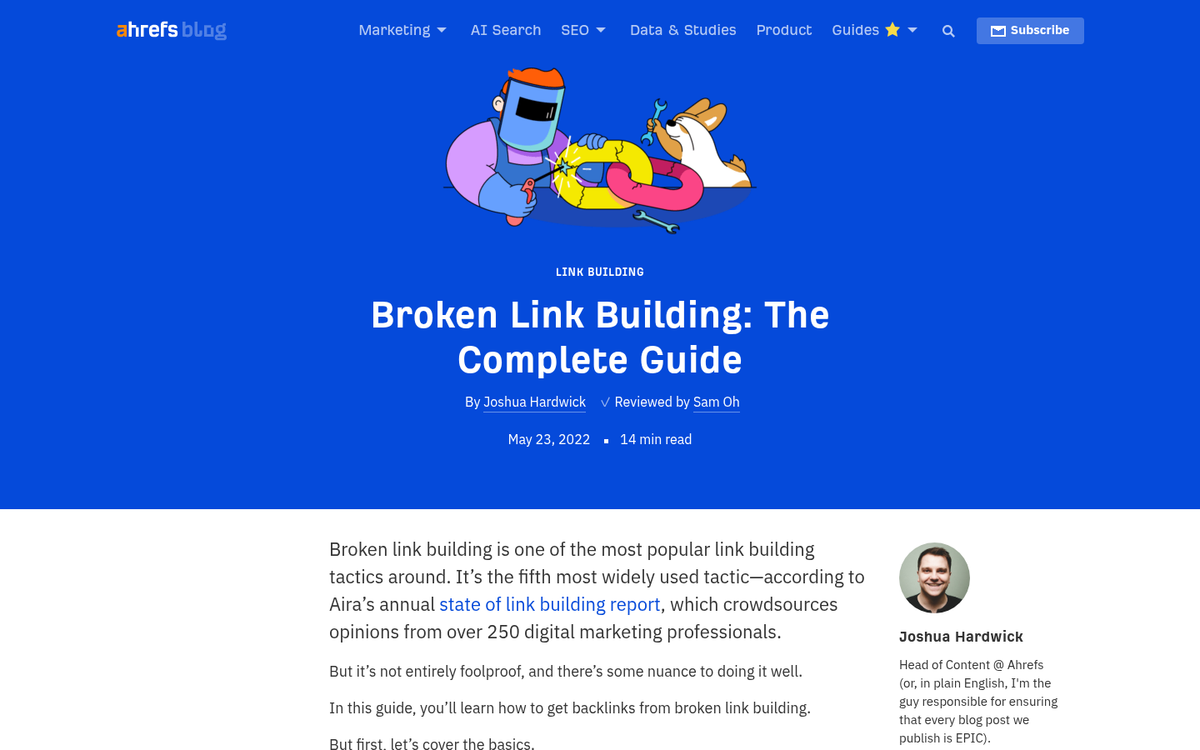
Broken link building remains one of the most effective white-hat link acquisition strategies available. Find authoritative pages in your niche that link out to content that no longer exists, then offer your own relevant content as a replacement. Tools like Ahrefs make finding broken outbound links relatively straightforward. Site owners appreciate being told about broken links, which makes this outreach far warmer than a cold pitch asking for a link out of nowhere.
19. Comment on Relevant Blog Posts
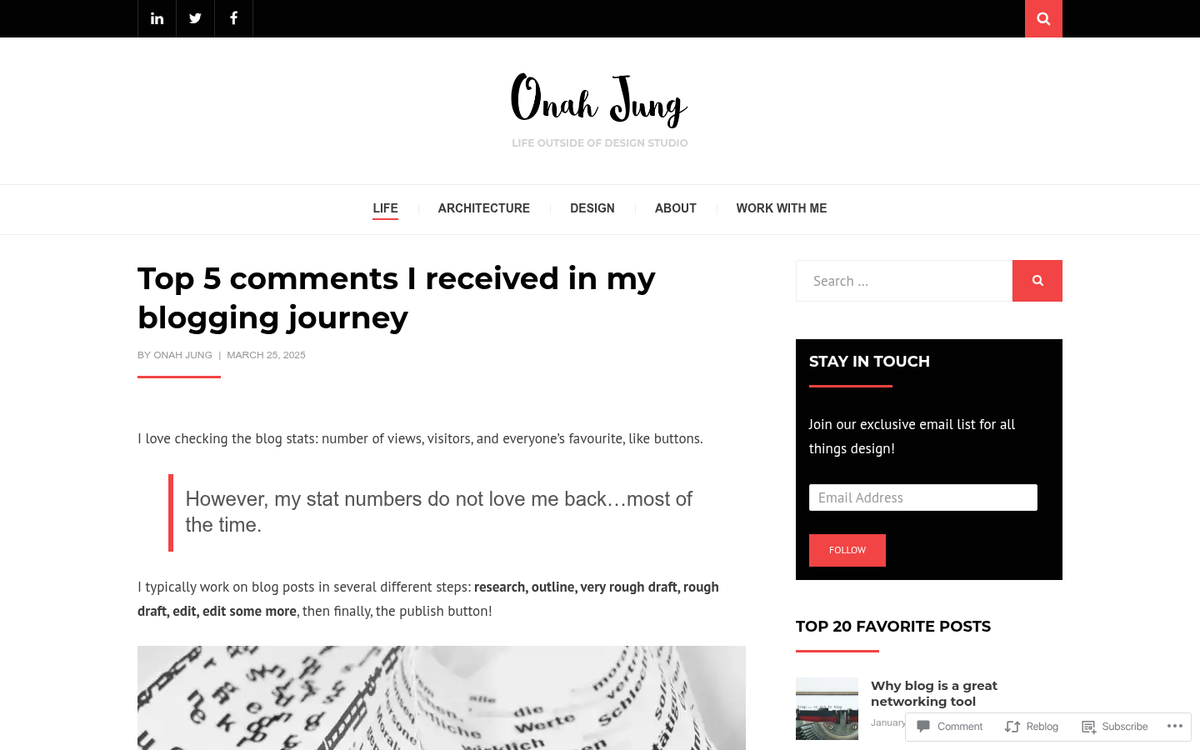
Blog comment links are almost universally NoFollow and carry minimal direct SEO value. What they do is put your name in front of site owners and community members. If you consistently leave thoughtful, substantive comments on blogs in your space, people notice - and they visit your site. Build the relationship first. The link opportunities tend to follow naturally.
20. Find Implicit Mentions and Make Them Explicit
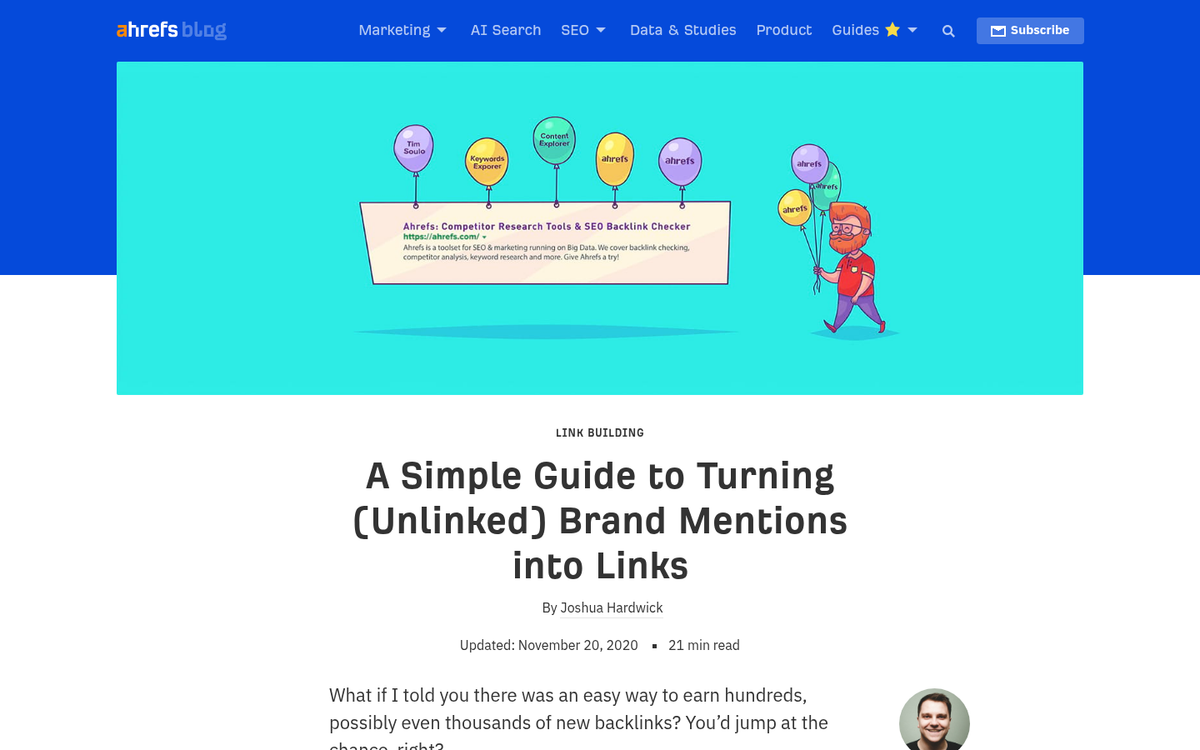
Unlinked brand mentions are one of the most underutilized link-building opportunities available. When someone mentions your brand, your content, or even a specific product or service by name without linking to you, you have a reasonable basis to reach out and ask for a link. Tools like Ahrefs, Brand24, or Google Alerts can help you find these mentions. Keep your outreach polite and brief, and don't pester the same domain more than once.
21. Hide Unnecessary Pages from Google
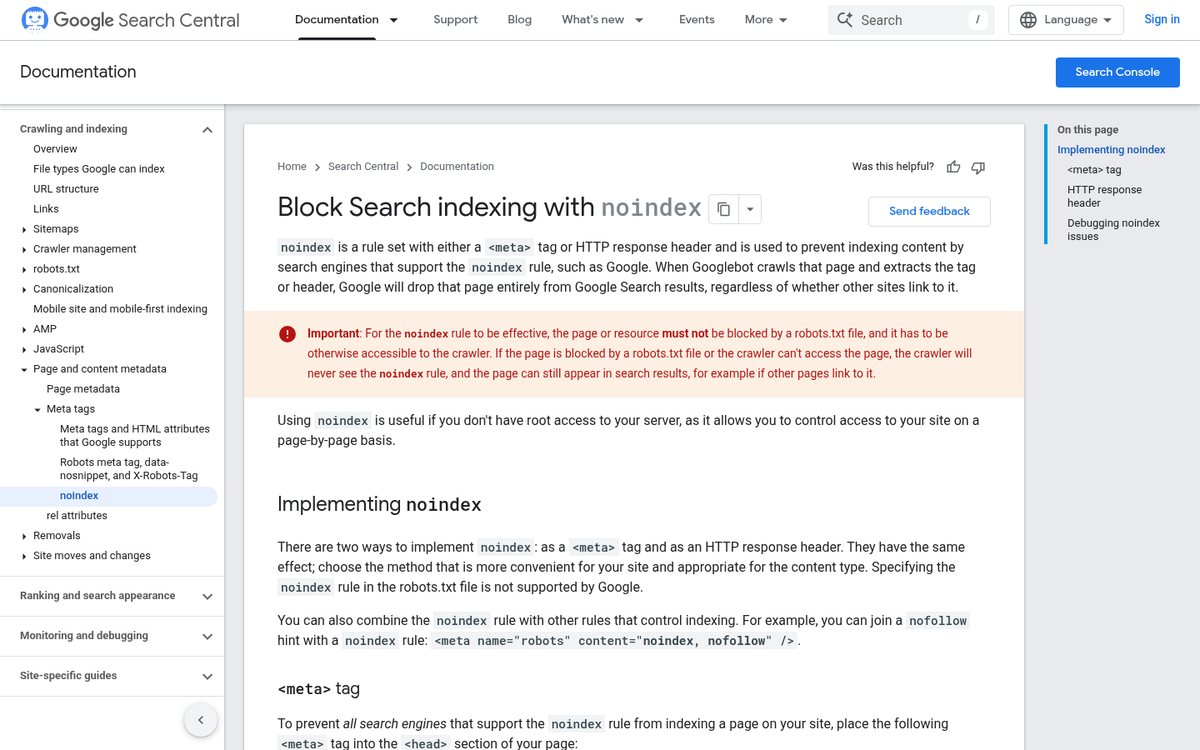
Tag archives, thin category pages, duplicate content, paginated series, and other system-generated pages can dilute your site's crawl budget and create noise in Google's index. Use your robots.txt file and meta robots tags carefully to noindex pages that don't provide standalone value. Just be meticulous - it's surprisingly easy to accidentally block something important.
22. Submit to High-Quality Industry Directories

The era of mass directory submission is long dead, but targeted submissions to genuinely reputable industry directories still carry value. Look for directories that are editorially curated, relevant to your niche, and actually visited by real users in your industry. A listing in a well-regarded trade association directory or a respected regional business directory is worth far more than dozens of generic web directory links.
23. Strive for Link Diversity Over Quantity
A thousand links from the same domain are worth far less than a hundred links from a hundred different authoritative domains. Link diversity signals to Google that your content is genuinely valued across a wide range of sources - not artificially inflated by a single relationship or tactic. Focus on building links from as many distinct, relevant root domains as possible.
24. Strive for Link Quality Over Quantity
One link from a respected, high-authority site in your industry is worth more than hundreds of links from low-quality sources. Relevance matters enormously. A link from a topically adjacent site with genuine traffic and editorial standards will do far more for your authority than a link from a site that exists primarily to sell links. Quality and relevance should always guide your link acquisition decisions.
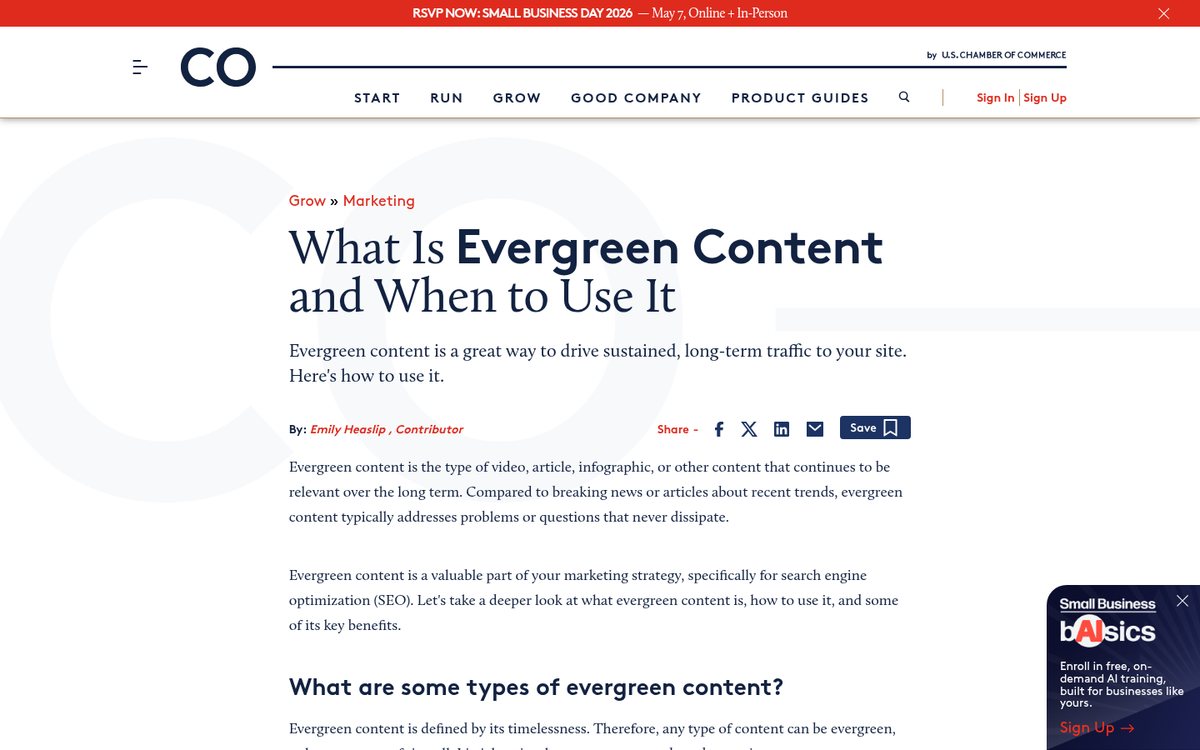
25. Strive to Link to Evergreen Content
Evergreen content - content that remains accurate and useful year after year - compounds in value over time. Links to evergreen content keep working indefinitely, and the page itself continues to attract new links organically. By contrast, links to time-sensitive content fade in relevance as the content ages. When you're building links and creating content worth linking to, prioritize pieces with long-term staying power.