In some ways, an internet-based business has it rough when attracting clients. In others, they have a huge advantage over traditional businesses.
- Traditional businesses are limited to their geographic areas.
- Online businesses have to compete against the global population.
- Online businesses have less overhead and less setup to succeed.
- Traditional businesses can be more resilient to failure.
It's a tricky world, attracting new clients. You have a service you're selling, and you need to find people who want to buy. You just need to navigate the obstacles placed before you; the competitors, the search engines, the issues with visibility, and all the rest. So how do you get new clients?
Key Takeaways
- Referrals and agency partnerships are powerful client sources, turning existing relationships into a steady stream of new business.
- Content like blog posts, lead magnets, and online courses attract potential clients by providing genuine value before pitching services.
- Social media, job boards, and cold outreach help actively find prospects, especially those dissatisfied with competitors.
- Monitoring competitors for mistakes and using intelligence tools lets you poach their leads and position yourself as a better alternative.
- Persistence matters - most strategies like follow-ups, email lists, and paid ads require consistent, ongoing effort to generate results.
1. Referrals

Word of mouth is a potent form of recommendation. A review from someone you know is worth much more than that from someone you've never met. If you're anything other than a brand new company, you have some clients, past or present. If they haven't sent you referrals, send them an email and ask them to recommend your business to someone they know who might make use of your services.
Often times, satisfied customers have the best intentions, and will happily recommend you when the situation comes up. The trick is, it won't always come up. Force the issue by drafting a personalized message to them asking them to go out and proactively make that referral.
2. Forge Agency Relationships

Look for agencies that do what you do, but on a larger or broader scale. For example, if you manage paid social ads for small businesses, you might look for companies that manage entire social media presences, or who work exclusively with large businesses.
Essentially, what you want to do is become a runoff receptacle. When a customer comes to this large agency, but the scope of the services they want is too small or their budget is too low, the agency can refer them to you. This benefits the agency, because they can do something with this customer, and it benefits you when you get the clients. It works both ways, too; when a client's needs become too great for your brand, you can pass them off to the agency for greater services.
3. Job Boards
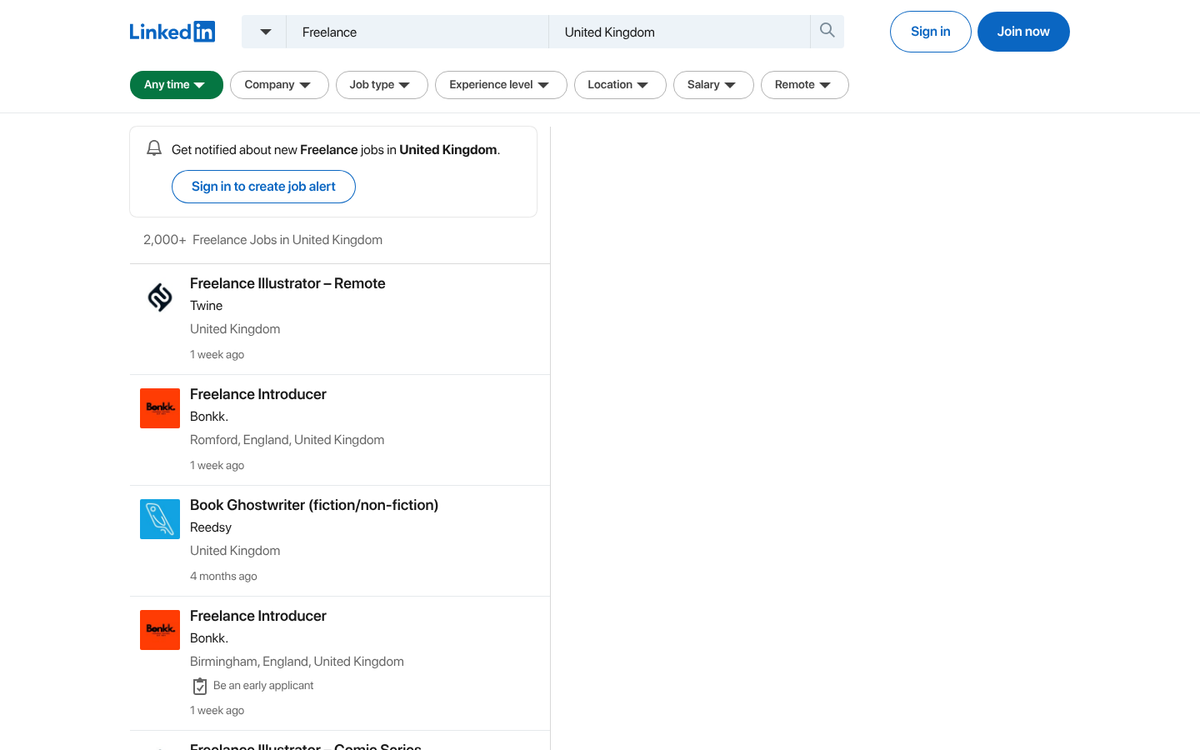
You can take advantage of job boards like LinkedIn, Indeed, and Reddit's r/forhire in two ways. First, you can browse them for people looking to hire someone who does the work you do. They might not work out, but they might, and any lead is better than no lead. Second, you can actively post that you're selling X service and you're open for new leads. People will come to you and you can pick them up as new clients.
4. Remarketing
Remarketing is the paid advertising technique of running ads specifically to people who have visited your site or engaged with your content but didn't follow through with a purchase or inquiry.
You can do the same thing with clients, in a sense. Look through your old contacts for people who reached out or who you contacted but who didn't pan out as clients. Maybe the situation has changed and the time is better for selling your service. Be helpful, offer your assistance with their current projects, and perhaps even offer them a special deal if they convert away from their current consultant.
5. Actively Search Social Media
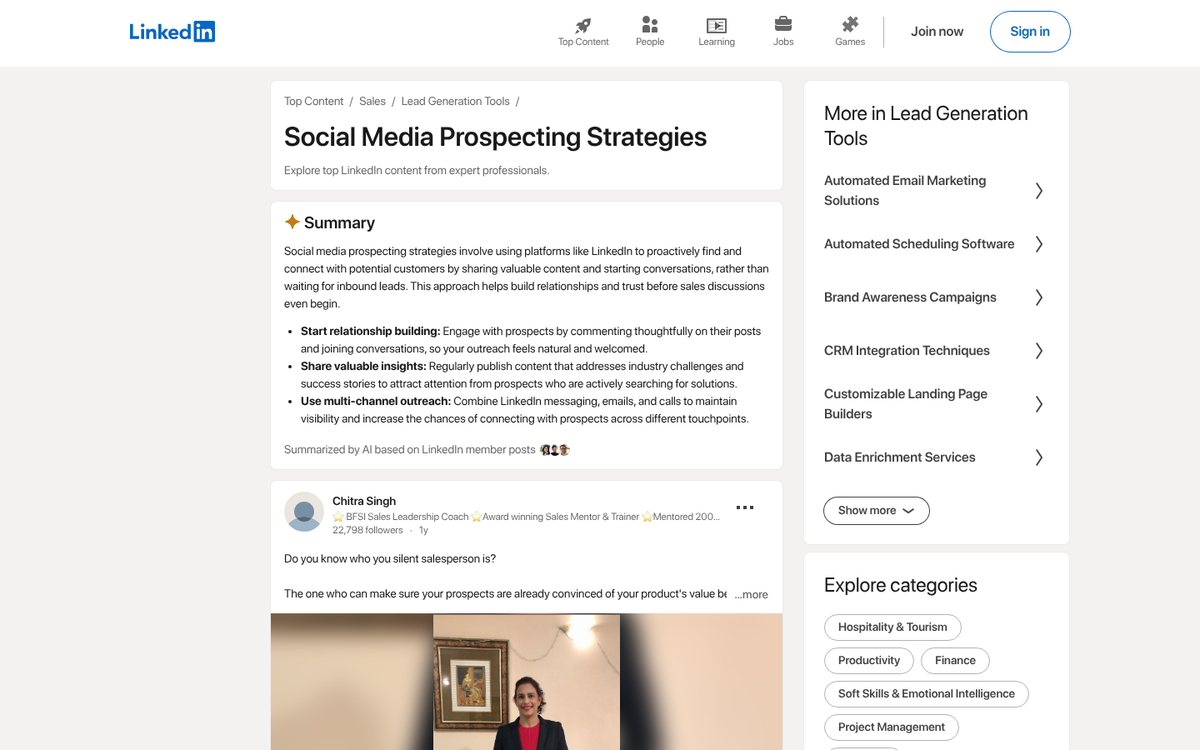
LinkedIn, X (formerly Twitter), and even Facebook Groups are great places for this. Search for industry-related keywords and for mentions of your competitors. Reach out to people looking for a service similar to yours, and reach out to people who are critical of your competitors, and pitch yourself. Often, you can hook these people by promising a solution to the problems they have, either on their own or working with the competition. A bonus for converting from someone else to you can go a long way here. Just try not to be too aggressive or you may come across as spammy.
6. Participate in Industry Events
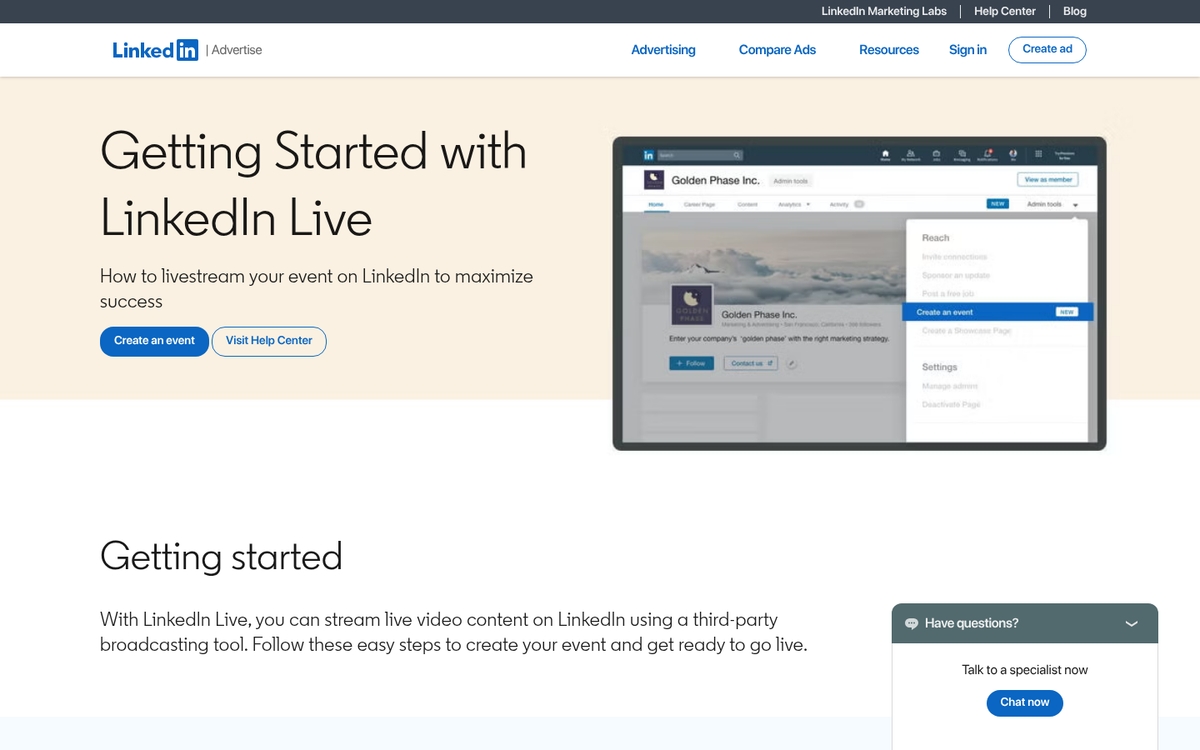
Online events can go a long way towards establishing your brand presence. By participating, you show yourself to be an authority, or at least someone with a good deal of knowledge in your industry. LinkedIn Live events, X Spaces, and industry-specific Slack or Discord communities are some of the best options for this, though all sorts of events are happening all the time. In part, this ties in to networking with your industry as well. Build connections and you can refer leads back and forth, particularly with complementary businesses.
7. Affiliate Offers
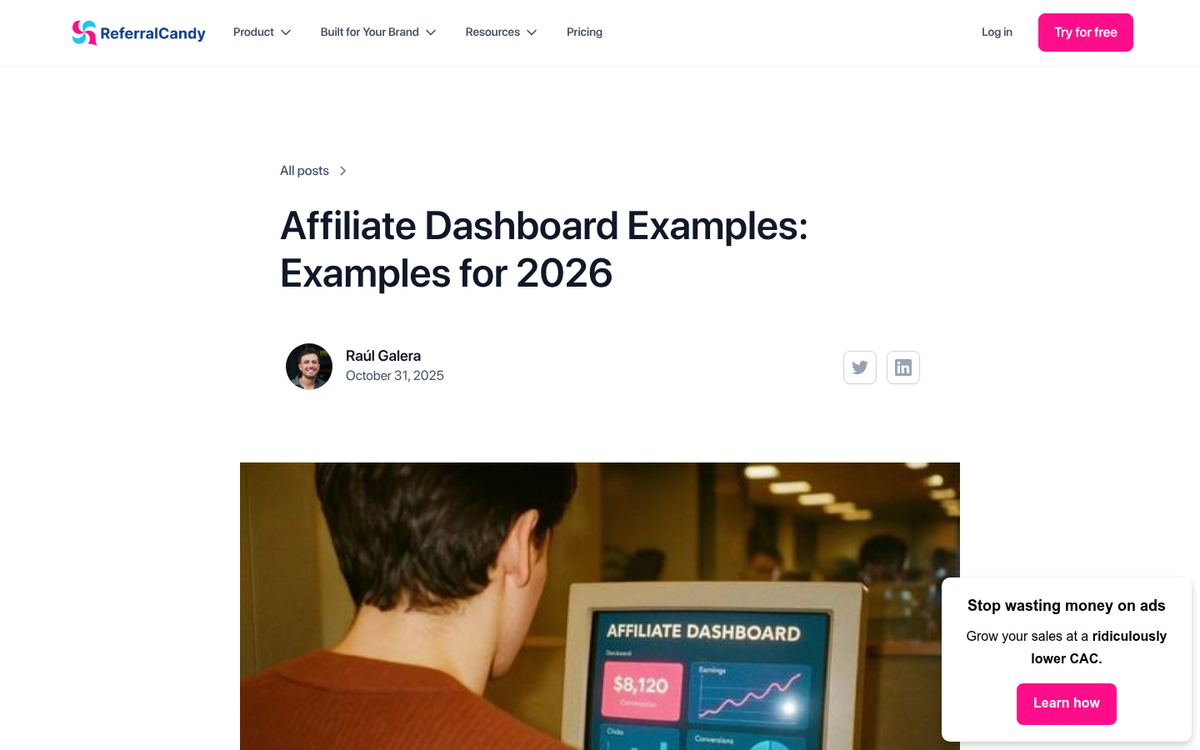
You can set up a referral program, similar to how web hosting companies give a payment to people who refer new customers. Determine how much profit you make from the average customer, and determine what a reasonable portion of that would be, that you can give as a referral bonus to the people who send in a lead that converts. You can then advertise your affiliate offer through various affiliate networks and aggregators.
8. Lead Magnets and Free Resources
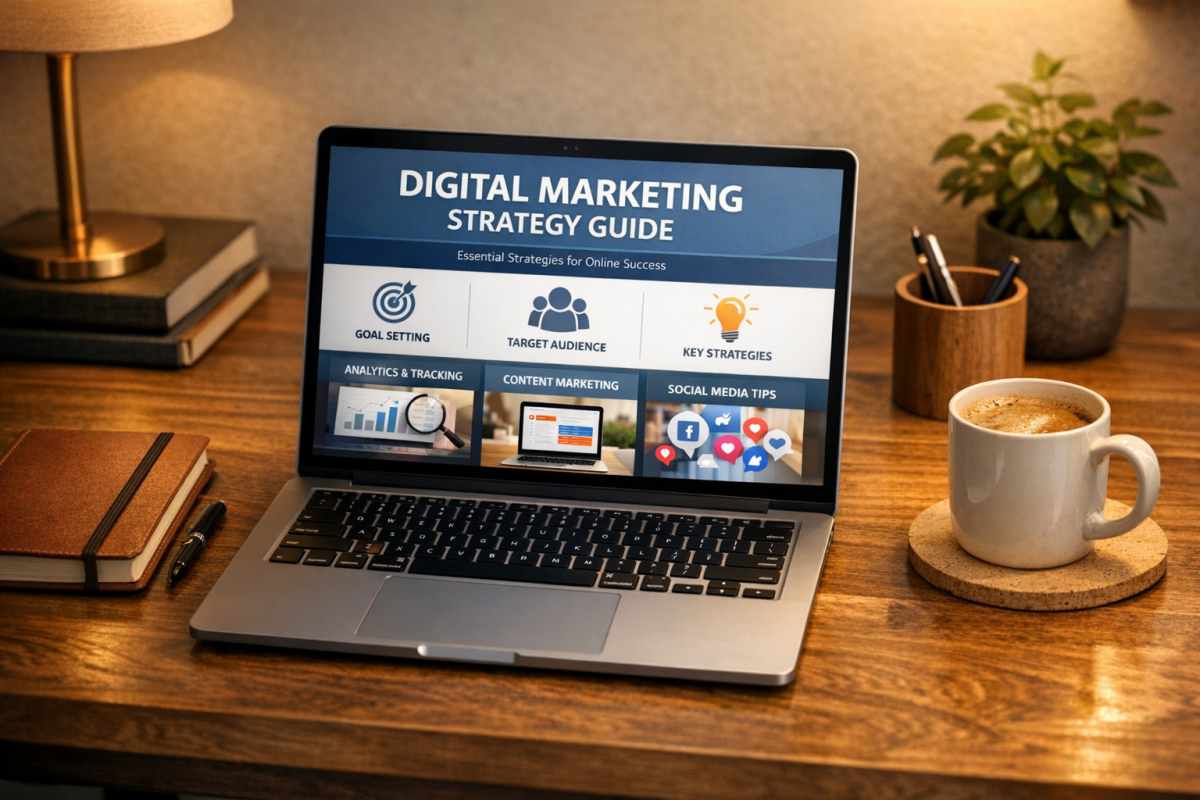
By offering free or low-cost value to people looking for something related to your service, you can hook them in as potential customers.
For example, if you have a business selling managed paid social ads, you can create a free guide, checklist, or short video series covering the basics and some moderate detail. You don't want to give away all of your secrets, but you want to be valuable. Include CTAs for people to investigate your business if they don't want to do it themselves and would prefer for you to do it for them. eBooks still work too, but you can find free eBook templates to get started, and landing page templates can help too - interactive tools, templates, and video content tend to convert even better in today's landscape.
9. Blog Content
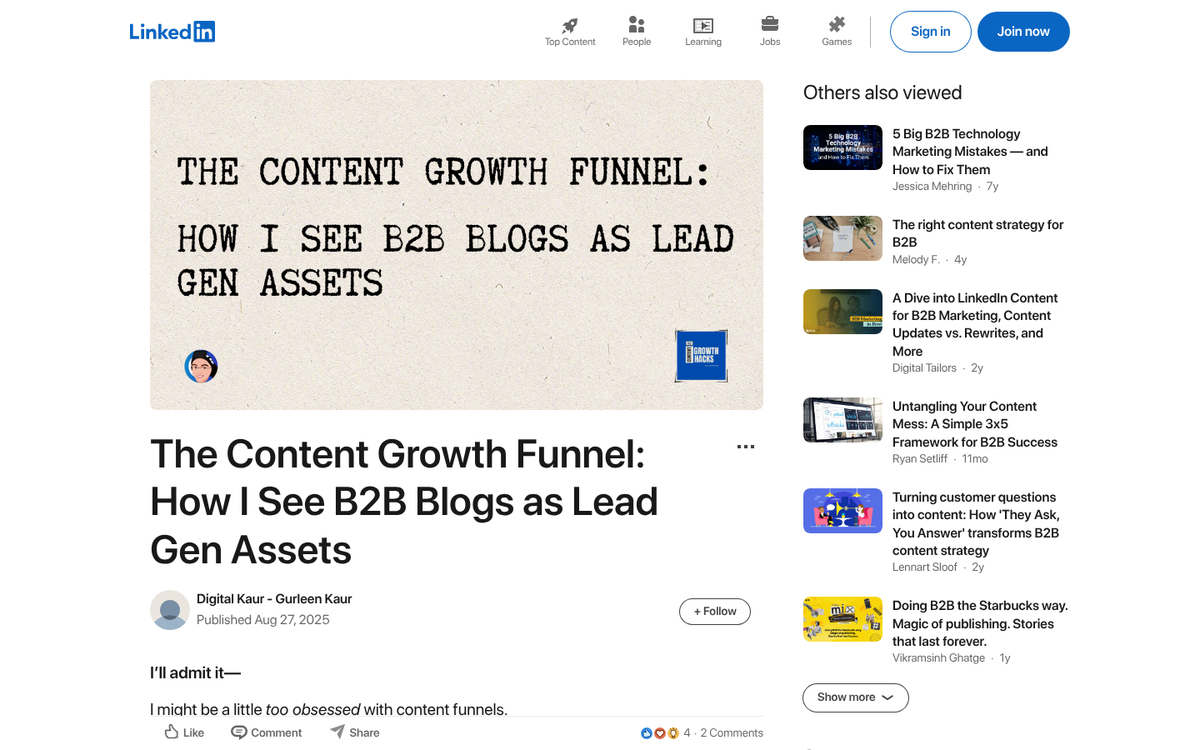
Everything I just said about lead magnets applies to your blog, except you have the ability to create much more content, with less detail, and more CTAs, and get away with it. Produce content, gain exposure, and hook people into your lead funnel. Every piece of valuable content is another hook in the sea, and those are all opportunities for more traffic and more sales. With AI-assisted content becoming more prevalent, focusing on genuine expertise, original insights, and first-hand experience is more important than ever to stand out. There are a dozen different ways you can convert a blog reader into a lead, so that's up to you. If you're unsure how much to spend on blog content, or how frequently you should be creating it, those are good places to start thinking about your strategy.
10. Attend Events
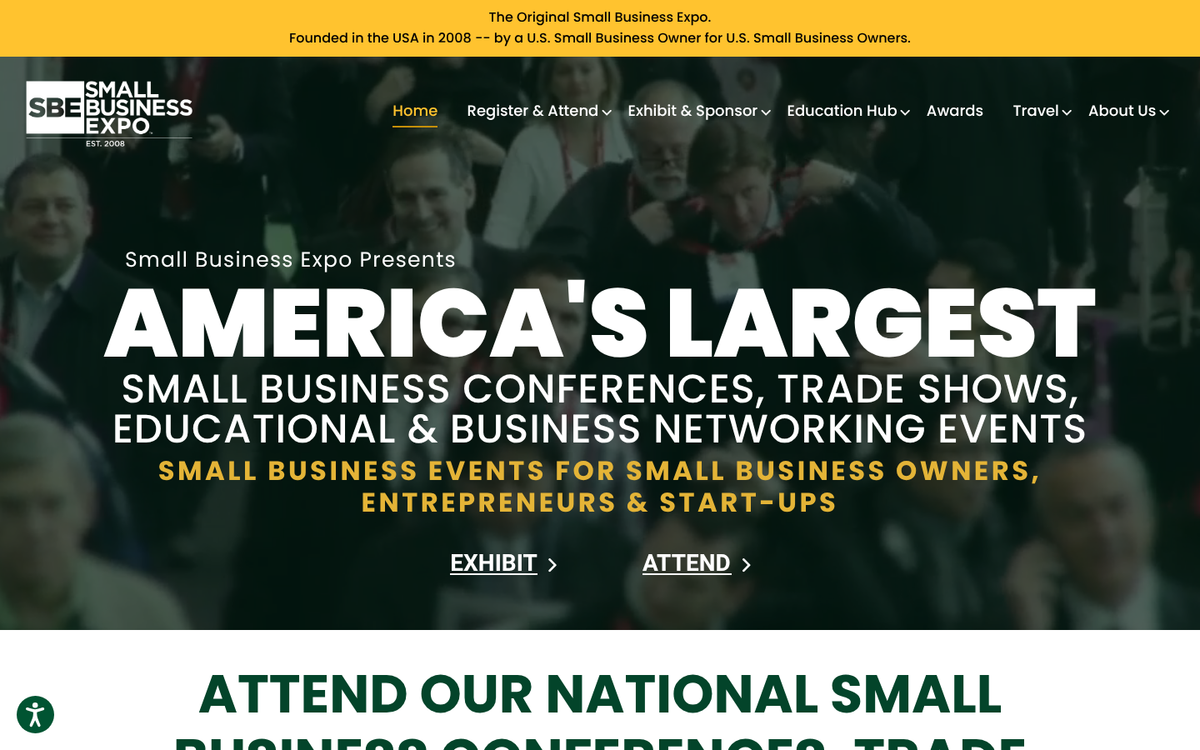
Industry events aren't necessarily just limited to the online world. Plenty of industries have monthly or annual conventions, trade shows, and other real world events you can attend. Schmooze with people at these events, to get your name, your brand, and your service out in the world. Refine your elevator pitch so you can explain yourself in 30 seconds, and have a digital business card or QR code ready to share - physical cards still work too, but having both options is smart. If you're just starting out, it also helps to have a clear identity, including how to come up with a name for your blog or brand before you walk in the door.
11. Sponsor Events

Sponsoring events is a way to get your brand name out there, in event programs and on promotional materials. As a small internet business you might not be able to sponsor something massive, but you can get your name attached to local events, industry webinars, podcasts, and small trade shows. Work your way up as you grow. All it takes is a couple of leads to make the investment worthwhile.
12. Promote New User Bonuses
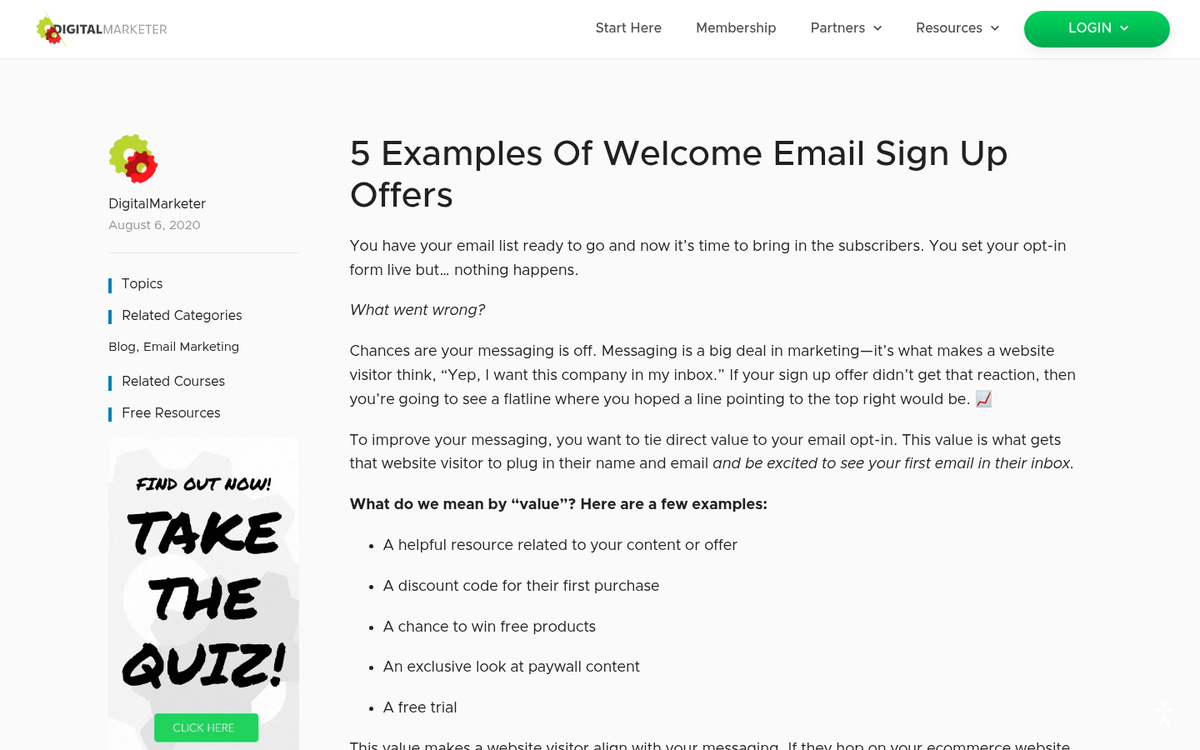
When it comes down to it, people often need an incentive to make them sign up RIGHT NOW rather than sometime down the line. By offering a time-sensitive addition, you can encourage that immediate conversion. Make sure it's truly time-limited, though; none of that "limited time only" label on a countdown that resets every day.
13. Paid Advertising

Paying for ads on Google, Meta, LinkedIn, and other PPC ad networks can get a lot of exposure.
The tricky part is having the budget to actually pay for those ads. You also need to learn how to target and optimize them, lest you spend tons of money with minimal returns. PPC optimization is a huge topic, and the landscape has shifted significantly with AI-powered smart bidding and automated campaigns becoming the norm across most major platforms. Take the time to understand how Performance Max campaigns on Google and Advantage+ campaigns on Meta work before diving in, as manual campaign structures have become less dominant.
14. Guest Post for Others
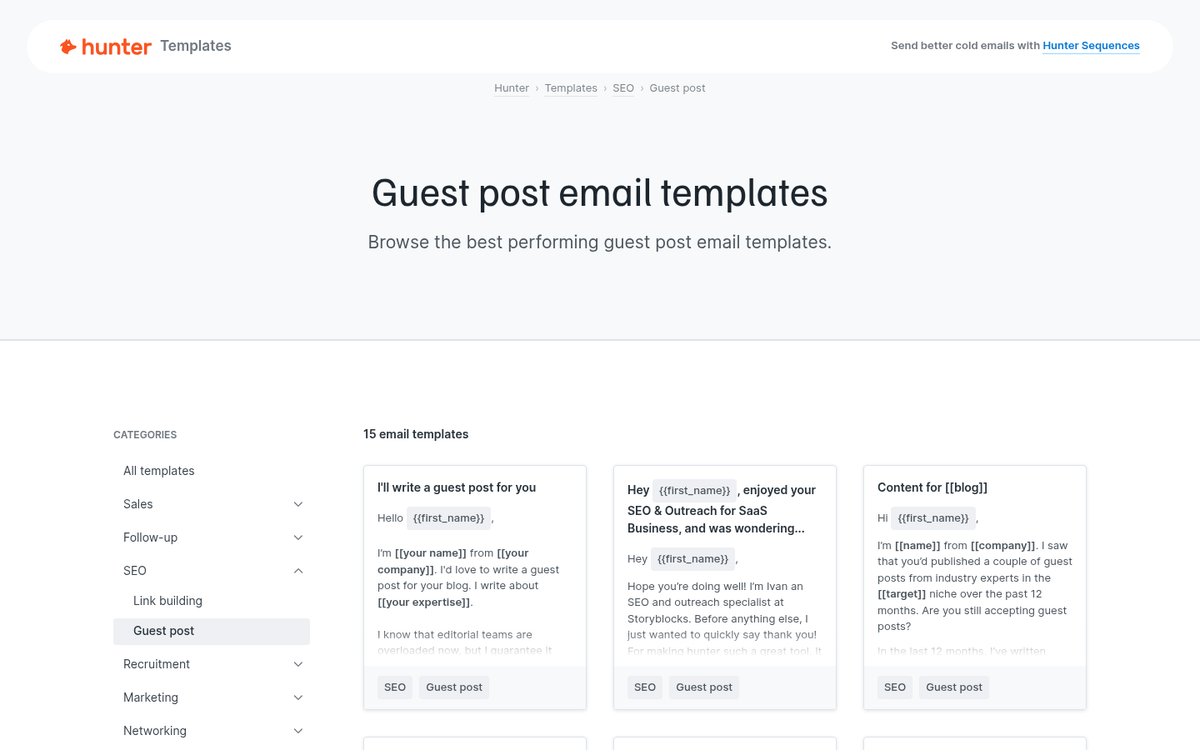
Writing guest posts for other blogs and publications is a great way to expand the visibility of your brand and boost your reputation. It can also boost your site SEO via a quality link, and can enhance your traffic as you grow. Try to find influential partners you can write for, and get yourself on as many relevant sites as possible with high quality content attached to your name.
15. Use Freelance Hubs
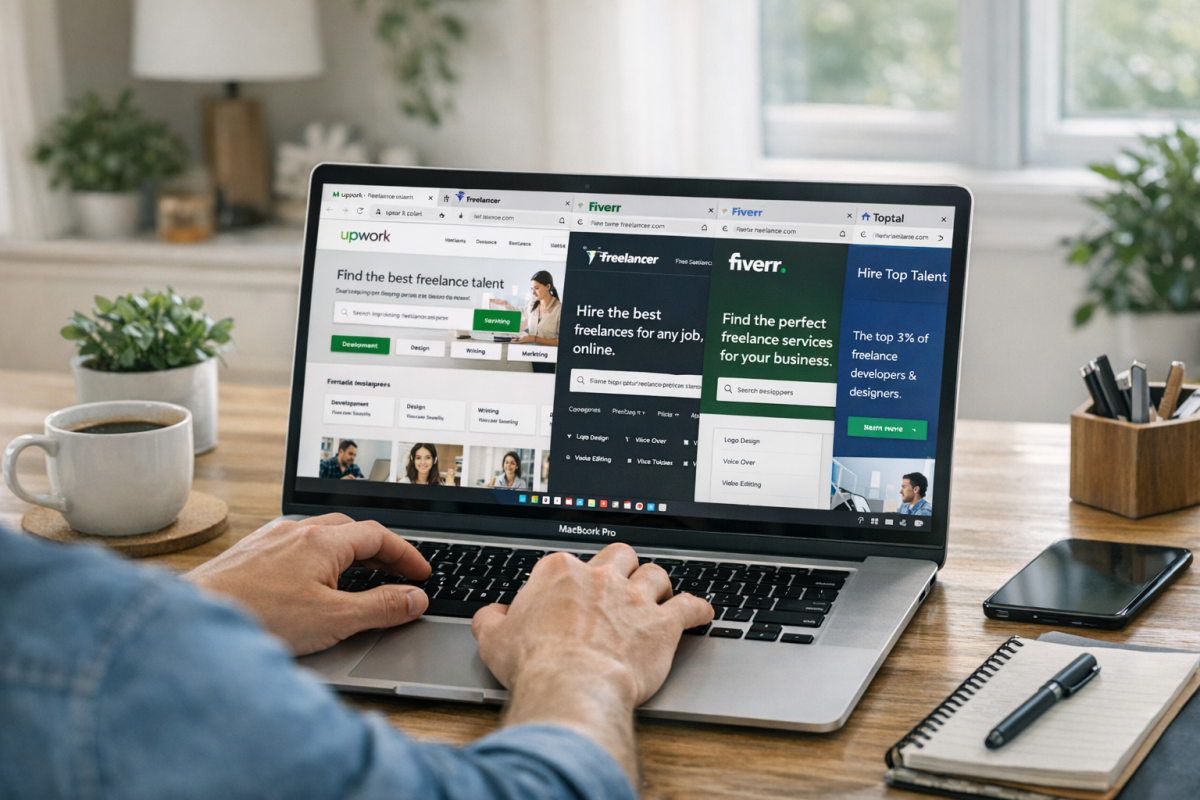
While billing yourself as a freelancer might not be strictly accurate, you can use a limited version of your service as a service you sell to people through sites like Upwork or Fiverr. If the prospective client wants more than what you provide through the platform, you can refer them to your company for a broader engagement.
16. Online Courses and Education Platforms
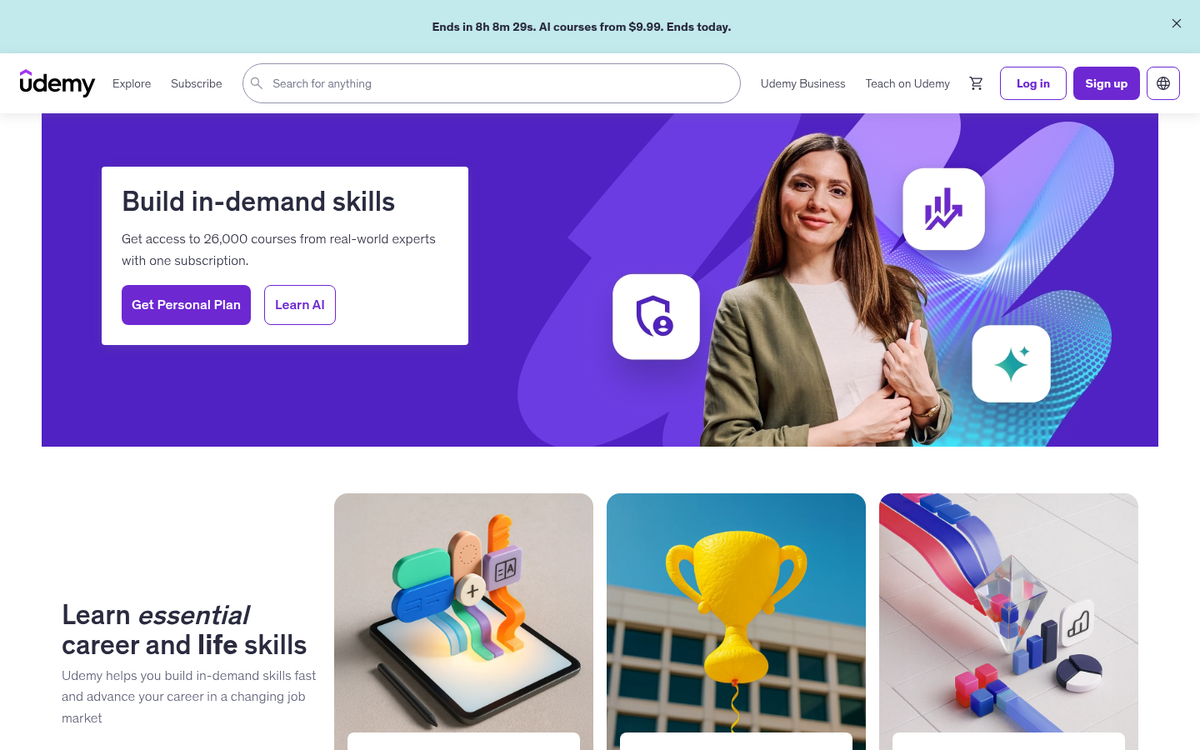
Sites like Udemy, Teachable, and Skillshare are hubs for educational courses. In much the same way that blog posts and lead magnets strive to educate and provide value laced with CTAs, you can do the same with an educational course.
The difference is, you can go into greater detail and provide some insider tips and tricks in a course, because you're getting paid by the people who enroll in it - and those students become warm leads for your services.
17. Expand into Products
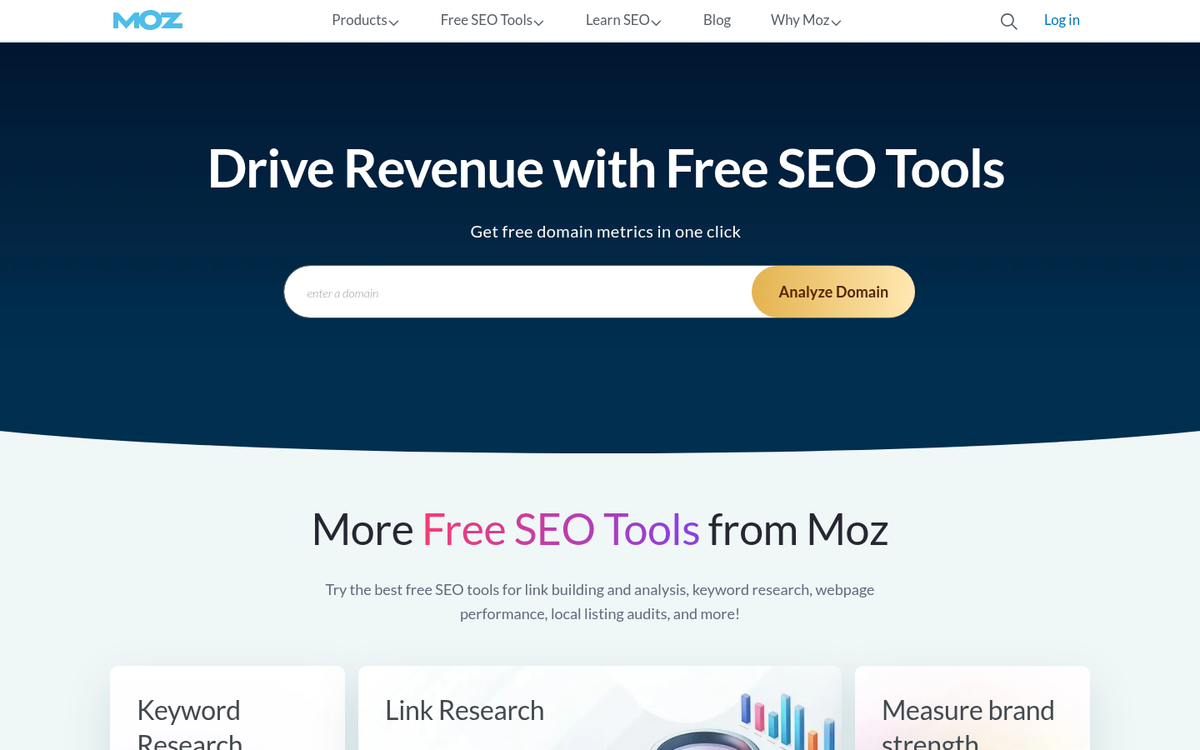
If you have a service that has a bunch of moving parts, it might be possible to create specific tools or products for small aspects of your service, and sell or give them away. For example, Moz has a ton of tools available to their paid users, but they offer some of them for free. It's a great way to hook people with the value of a few free tools and get them paying for more.
18. Offer Integration
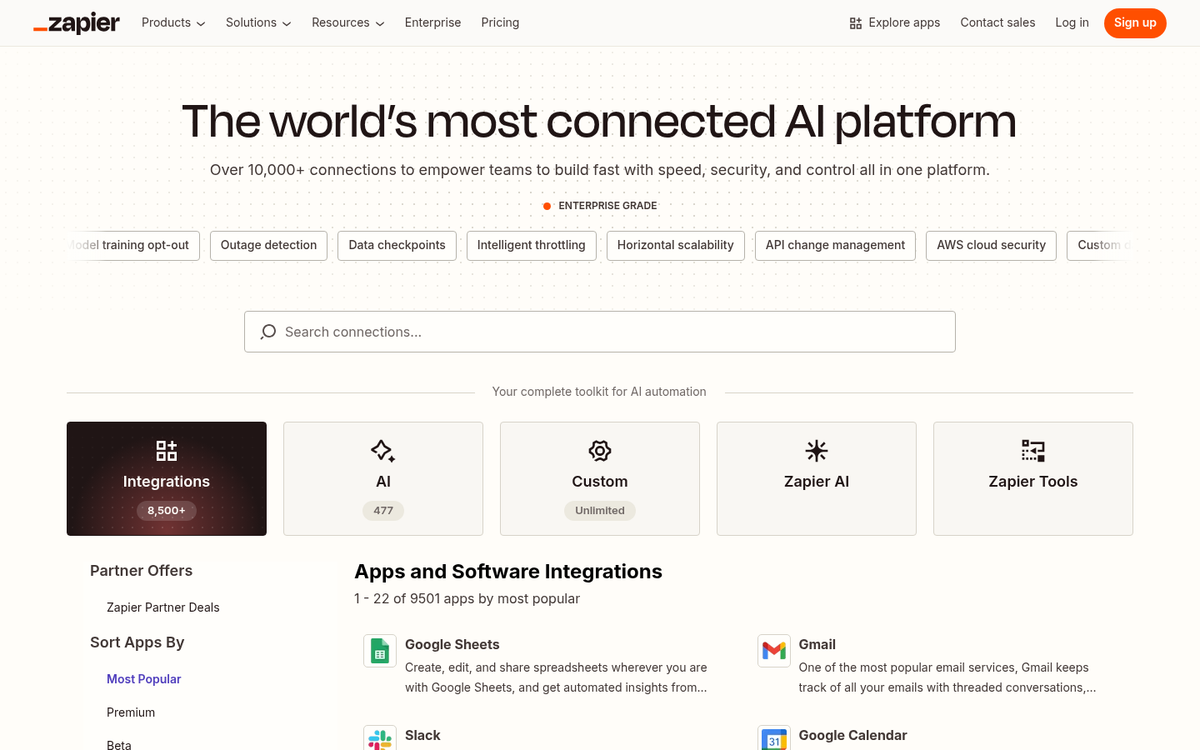
Many large platforms and ecosystems - like WordPress, Zapier, HubSpot, and Make (formerly Integromat) - have ways to integrate new products and services. If you can get an integrated form of your service into one of these ecosystems as a plugin, app, or workflow template, you can get a significant amount of traffic and potential customers from there. It really depends on how well you can create a stand-alone product for your service, though.
19. Press Releases

Press releases still work, but you have to be careful about using them. The days of the broad-spectrum bulk mail are long over. Instead, you need to find highly relevant niche publications, newsletters, and industry journals to send your release to. Places where the readers have an interest in your industry and where they might be willing to convert based on what they read.
20. Niche Publications and Newsletters
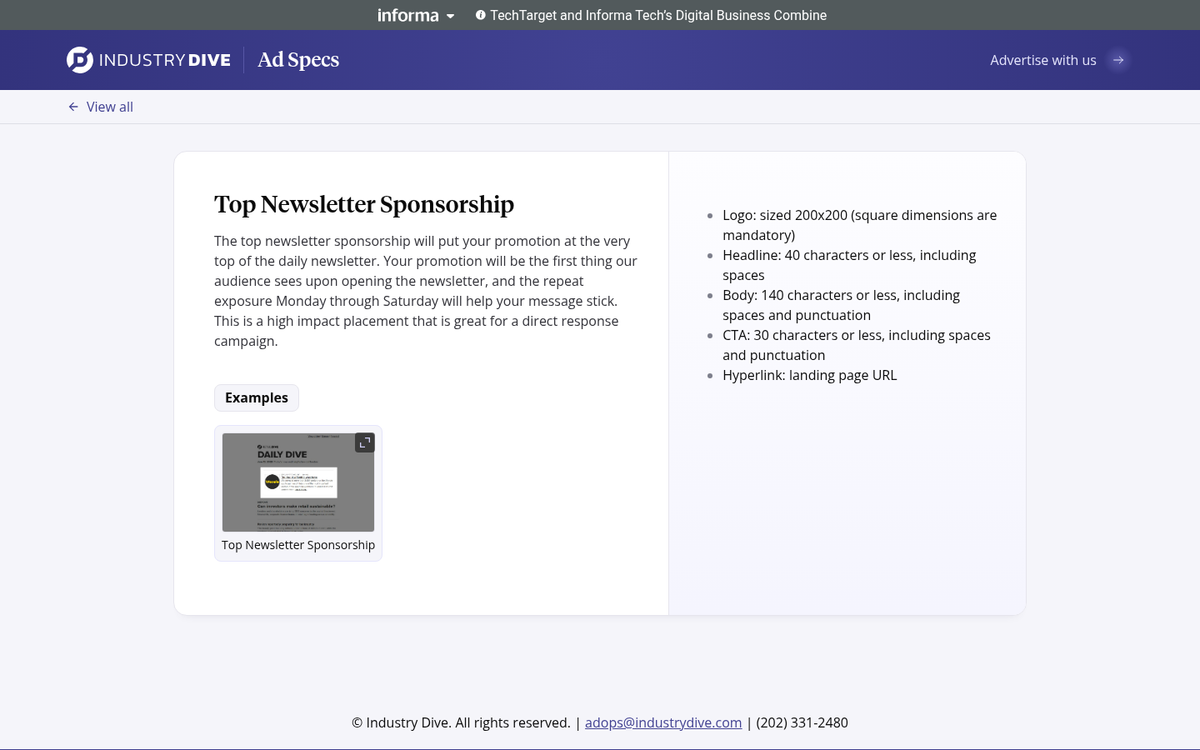
A lot of industries still have dedicated publications, both in print and digital form. Increasingly, highly targeted email newsletters with engaged audiences can be even more effective than traditional magazine ads at a fraction of the cost.
If you sell a relevant service, you can advertise in these publications or sponsor a newsletter. Just be aware that premium placements can still be expensive depending on the audience size and engagement.
21. Go Local
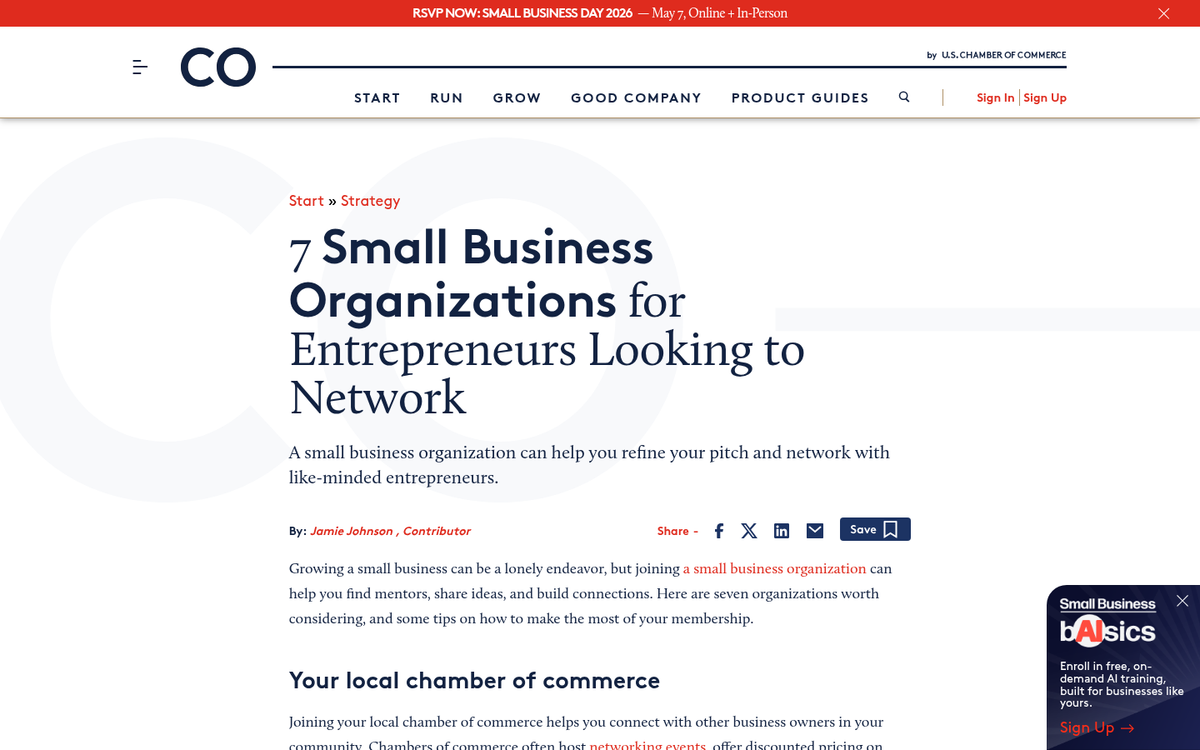
An online business doesn't have to worry about local restraints, but you can still scout your local area for potential leads. Look for local businesses who can benefit from your service and who may be over-paying for a competing service, and pitch your own to them. Sometimes, the benefit of working with a local contact will outweigh the drawbacks of switching, and you'll gain a new client.
22. Upsells
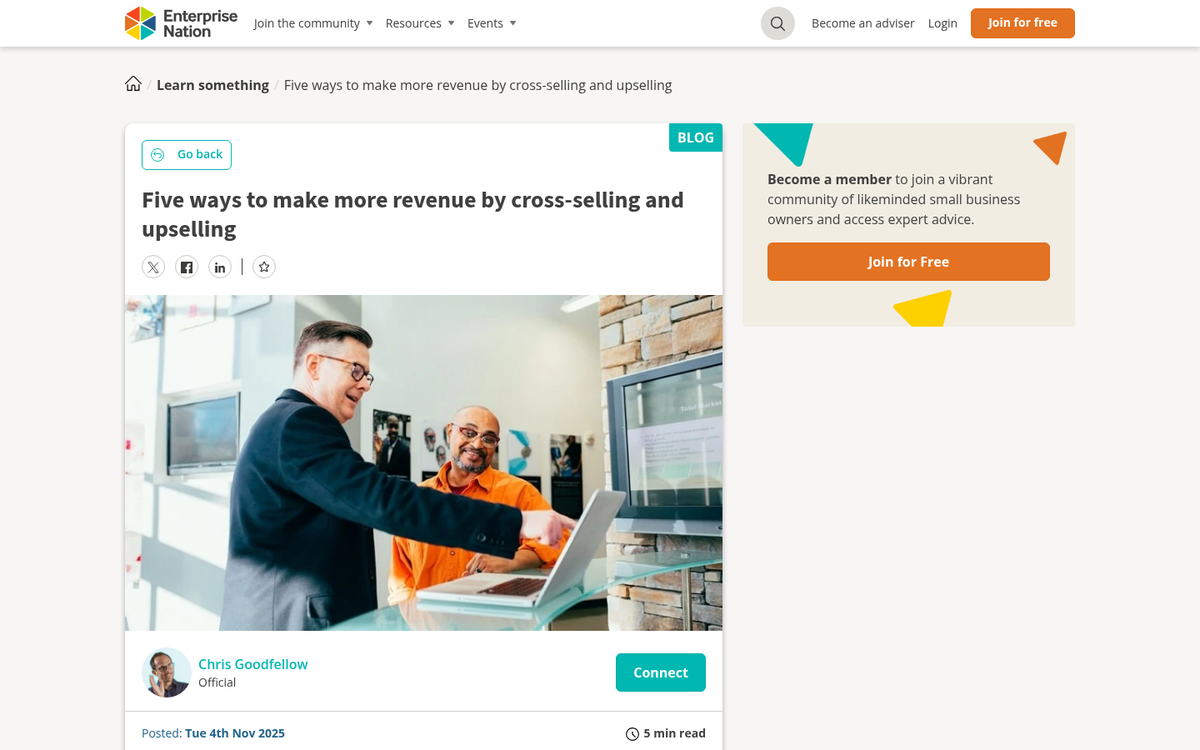
Alright, so upselling your service isn't really gaining a new client, but getting an existing client to pay more will give you larger profit margins and will give you more budget room to play with to fund other forms of marketing to get you more clients.
23. Capture Emails

Build your email list proactively by offering valuable lead magnets, gating some content, or simply giving visitors a compelling reason to subscribe.
Your newsletter is a great source of ongoing value for users and customers, and will be a reliable source of new leads when you segment and nurture it properly. Tools like Kit (formerly ConvertKit), Klaviyo, and ActiveCampaign make automation straightforward, so you don't have to manage it all manually. Check out our best lead generation tools and software to find the right fit, and if you're growing your list, consider how to convert your email list from single to double opt-in for better engagement and deliverability.
24. Address Pain Points

You know what your service does and what problems it solves. Utilize content and social marketing to reach out to people suffering from those problems and offer yourself as a solution. Your stable of satisfied users will help you successfully promote yourself.
25. Solicit Endorsements

Influencer marketing is all well and good, but it's even better to have an influencer or a respected figure in your niche explicitly endorse your service. A genuine recommendation carries far more weight than a vague implication, and micro-influencers with highly engaged niche audiences often deliver better ROI than big names.
26. Cold Outreach

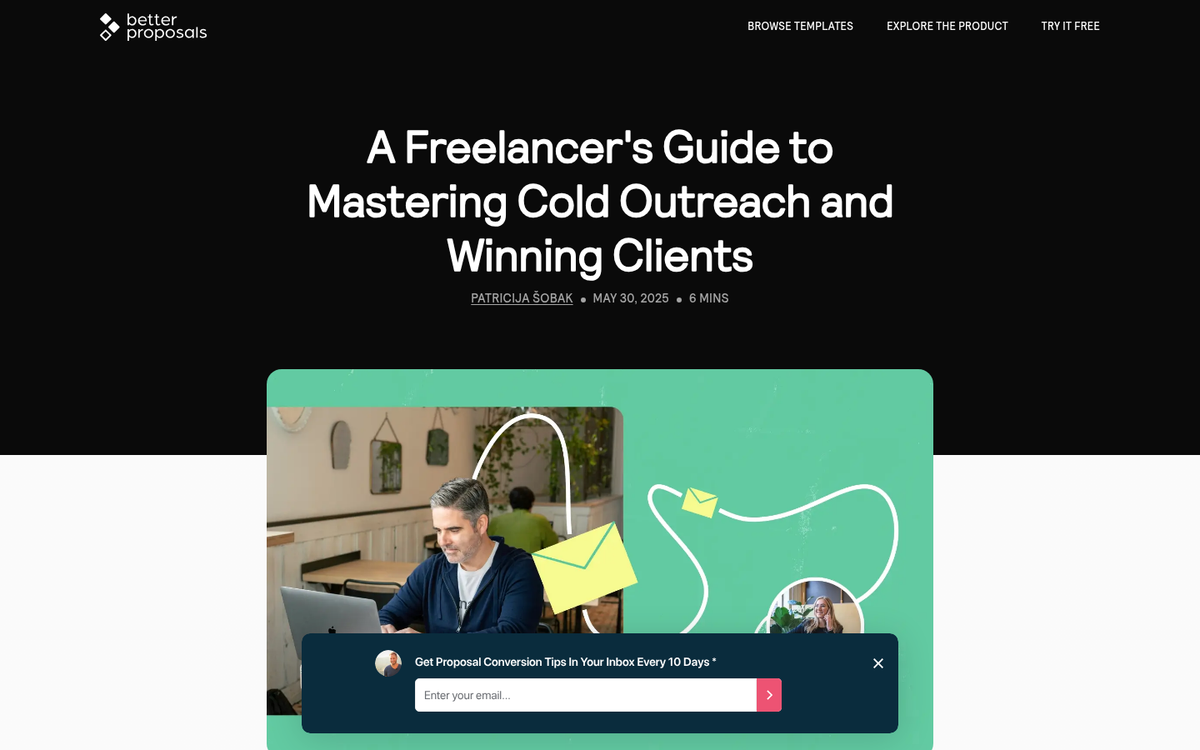
Cold outreach - whether by email, phone, or direct message - can still be effective when done thoughtfully. Blanket cold calling has fallen out of favor, particularly with younger audiences, but a well-researched, personalized cold email or LinkedIn message to a highly relevant prospect can absolutely generate leads. Focus on relevance and value rather than volume.
27. Follow Up, Again
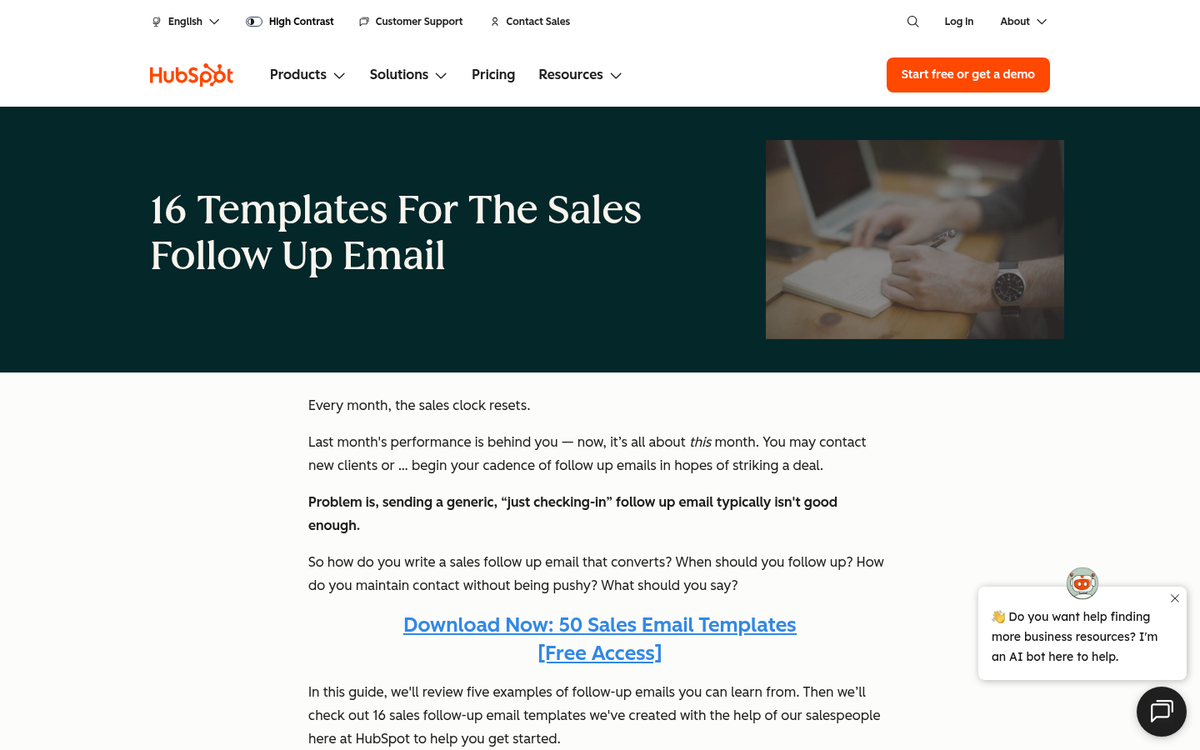
Any time a lead expresses interest but doesn't convert, add them to a list for further targeting.
You can reach out several times to try to entice them in - just space it out appropriately and make each touchpoint feel personal rather than automated.
28. Poach Leads

Use competitive intelligence tools to spy on your competitors and figure out what they're doing, marketing-wise. Make some room in your budget and go after the same things, attempting to out-do and play off of their marketing, to poach their leads.
29. Capitalize on Mistakes

Monitor your competitors and look for mistakes, service outages, and public missteps they commit. Capitalize on these moments and use them as opportunities to pitch yourself as a better alternative.
30. Keep At It

Be tenacious. Be persistent. Keep at it. All of these strategies are things you can do on an ongoing basis, to keep the new leads coming in.