Key Takeaways
- Prioritize quality over quantity; aim for at least 1,500-2,000 words, as thin content is why most blog posts get zero traffic.
- Research topics by identifying real audience questions, then outdo competitors by covering subjects more deeply and thoroughly.
- Technical fundamentals-mobile compatibility, site speed, Core Web Vitals, and on-page SEO-are non-negotiable ranking requirements today.
- Build authority through internal cross-linking, guest post outreach, and earning high-quality backlinks pointing to your best content.
- Regularly update older posts to signal freshness to Google; HubSpot reported a 106% traffic increase from refreshing existing content.
The entire point of marketing is to get more eyes on your product and more money in the bank, and one of the best ways to do that is with organic search engine marketing. Having your website show up on the Google search results - and the other search engines as well - will give you a better reputation, better traffic, and more customers.
That said, the landscape has shifted dramatically. With Google's AI Overviews now appearing on over 40% of searches, ranking on page one no longer guarantees the clicks it once did. That makes it more important than ever to produce content that earns visibility and engagement. So how can you get your blog posts to rank higher in the search engine results pages? Here are fifteen tricks you can use.
1. Write Sufficiently Long Content
Perhaps one of the best tips I can give you is have quality over quantity. That is, write a few, long, awesome blog posts, instead of trying to post one post every day and letting quality suffer.
One of the best changes I made to my blog was going from 1,000-word blog posts to weekly 2,000-word blog posts - this change allowed me to cover certain topics in greater detail, allowing me to stretch out my topic research further and also allowed me to spend more time on each individual post. Overall, the quality has gone up dramatically.
Sure, if I could produce this level of content every day, it would probably be even better. But that's not feasible. I'd need more staff writers and topic researchers, and for now, the effort of making that much content would outweigh the value.
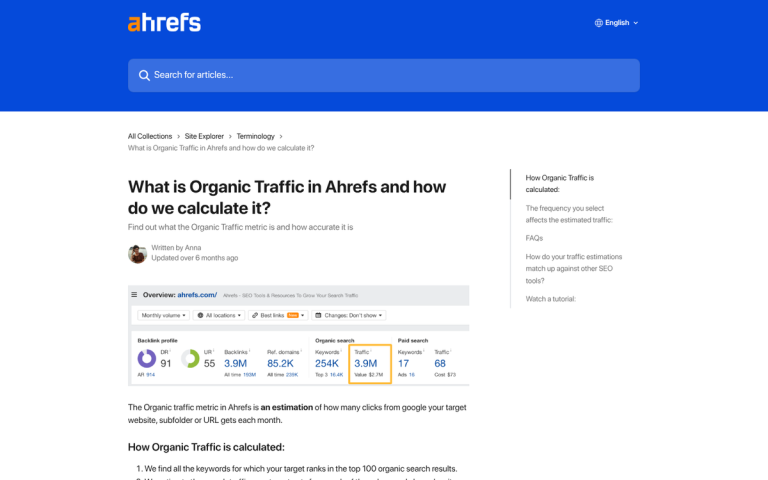
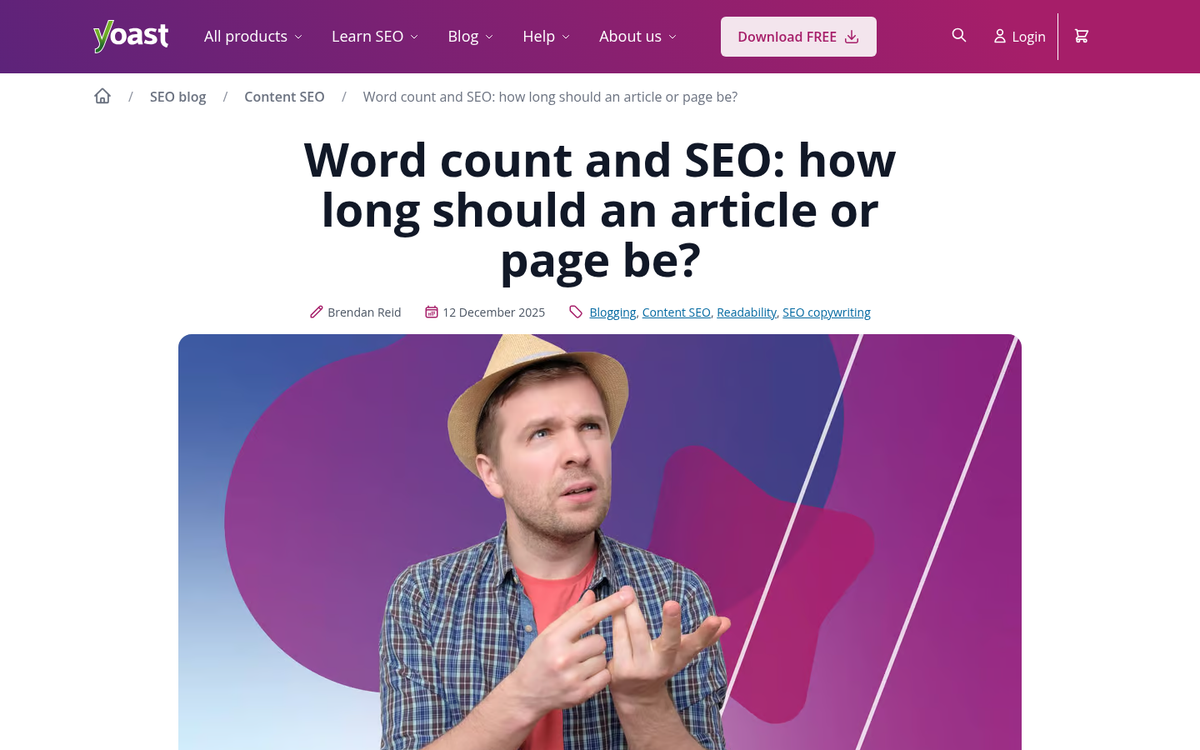
I see 1,500 words as a minimum for most blogs. Personally, I shoot for 2,000. Other bloggers write as much as they need to cover a topic, or shoot for 5,000 or more. My advice to you is to shoot for whatever length you'll need to cover your chosen topic in the level of detail you want. Remember that over 90% of blog posts get zero traffic from Google, and thin or shallow content is a big reason why.
2. Follow the Anatomy of a Great Blog Post
The best-performing blog posts tend to follow a reliable structure that has been refined by top content marketers over years - it works and it's worth following closely.

- Start with a catchy headline that draws people in. Remember, your headline has to draw people in from your search engine results, not just from your website.
- Include a high quality and eye-catching picture. This ends up being your thumbnail for social media shares as well as a banner for your post.
- Write a brief introduction. This hooks your reader and informs them why they should be reading your post. A few sentences is generally fine.
- Include a lead into your main points. This is an overview so your readers know what you're going to cover.
- Write the main body of your article, covering all of your main points in detail. Include images and links as necessary to reinforce your points.
- Wrap up everything with a short conclusion. You don't need to go all academic and restate your points, but you should close out your post.
- Invite readers to leave their own feedback, experiences, or comments.
Google is increasingly pulling content directly into its AI-generated summaries, so writing in a well-organized way with direct answers near the top of your post can help your content get featured there - even if the traditional blue link gets fewer clicks than it used to.
3. Research Keywords and Topics
Modern blogs are built on keyword research. But the world has largely moved past caring specifically about individual keywords in isolation. What makes the best posts stand out is the fact that they address a question or problem that readers actually face. Every post should be focused on solving a problem, teaching readers, or answering questions they have.

Thus, the first thing you need before any piece of content starts production is to choose what question you're answering for your audience. What concern do they have and how can you address it? Do you have anything, like a perspective, insider information, or a case study that you can bring to the table? And how can you frame this content in a compelling way?
Part of your research here should be recognizing how to phrase your topic in a way that attracts attention. Look at the competition for your topic; what other sites are writing about it, how are they approaching it, and how can you squeeze in? For some topics, it will be a depressing state of affairs, as the big name sites are covering the easy topics. Don't let that stop you from making content. But understand that your content needs to be at least on par with theirs if you want to succeed.
4. Don't Neglect On-Page SEO
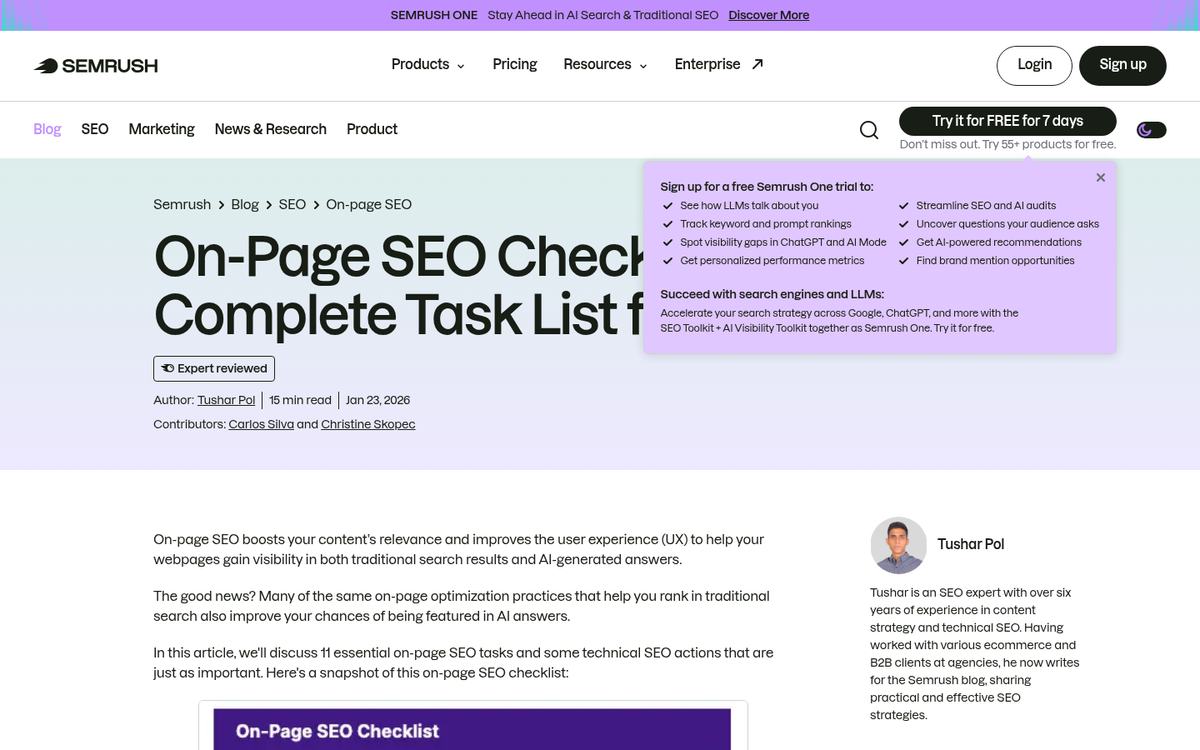
Your on-page SEO is a big part of search engine visibility - it's not my number one tip, nor am I going to go into deep detail with it. Why not? Well, it's the most basic tip anyone gives you - it's worth reading up on modern patterns and what's important, and you should always review to make sure that you're covering the bases. But otherwise it's a fairly done-to-death topic so I'll speak no more on it.
5. Include Plenty of Images and Media
We live in an age of multimedia, and there's quite a bit you can do with even simple blog posts. Screenshots, illustrative images - even characters that help guide the flow of a piece are all great additions. If you need images, you can get free images for your WordPress posts with a plugin.
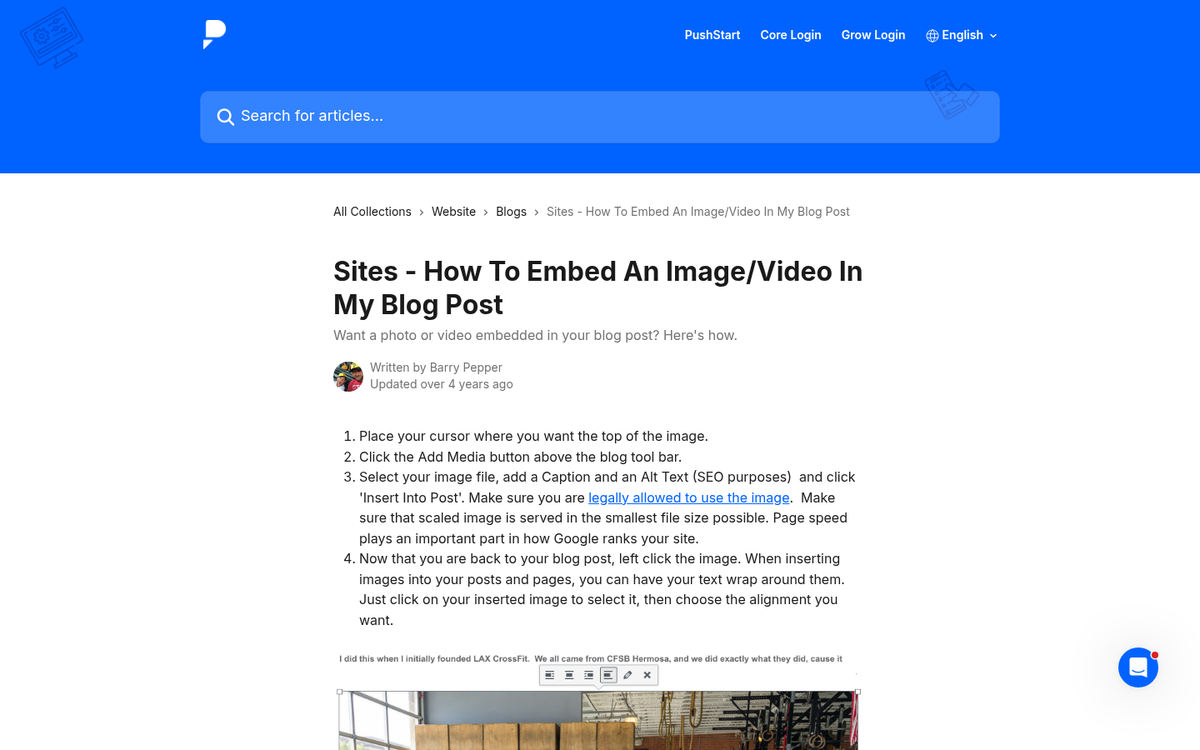
Don't forget that you can also embed content from other sites. I've found that one helpful technique is taking user questions or comments from social media to start off your piece and embedding them. You may also want to check whether it's legal to embed YouTube videos in a blog post. Of course, you always want to keep a screenshot as backup in case the post is deleted.
6. Find Competitors and Outdo Them
I mentioned already that existing competition for a given topic is always going to exist, and that it shouldn't dissuade you from writing about the topic. Here's why: you can do better.
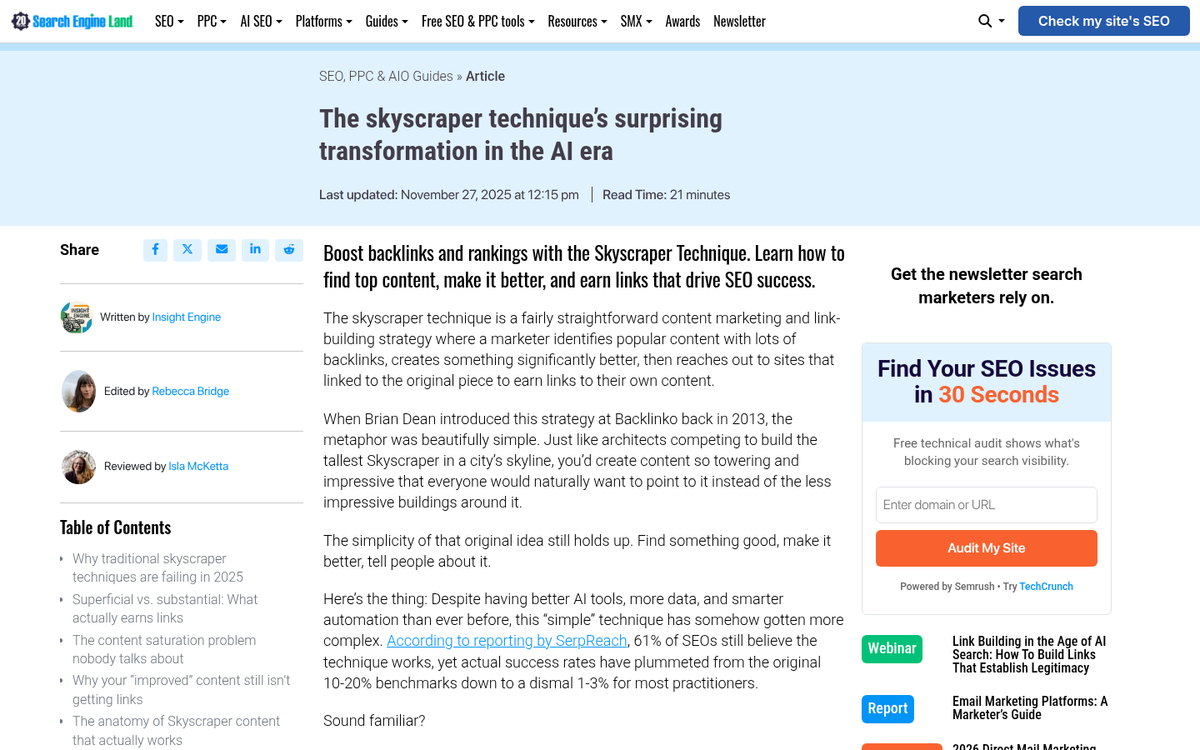
One strategy for creating content is to use your competitor's content as a baseline. You can see what they've done; now do that. But do it better. You can dig deeper into the topic, you can cover other sources, you can refute their points, you can build upon what they did and make an even better resource.
7. Make Sure You're Mobile Compatible
Google completed its rollout of mobile-first indexing years ago, which means your mobile experience is now the primary version of your site as far as Google is concerned.

Responsive design should be considered a baseline requirement at this point - not an optional upgrade. Test your site on multiple devices and screen sizes, and look at how your content reads and loads on mobile. A poor mobile experience will cost you rankings and readers alike. If you're not sure where to start, check out our guide to fixing WordPress mobile usability errors or learn whether a plugin can make your WordPress blog mobile friendly.
8. Optimize Site Speed and Layout
Along with mobile compatibility, site speed and structure are also top-level elements of technical SEO that you can no longer afford to ignore. Google's Core Web Vitals - which measure loading performance, interactivity, and visual stability - are established ranking signals, and a slow or unstable site will hurt you in the results pages.

I recommend taking the time to check what your latest site speed ratings are and looking into how you can speed it up. Optimize your images, cut back on scripts you don't need, run a CDN for your media, and generally improve the whole thing for a boost in rankings. Tools like Google's PageSpeed Insights make it easy to find where your bottlenecks are. Keep in mind that things like social buttons can slow down your website's load time, and even comment plugins like Disqus can impact your site's speed.
9. Crosslink and Reference Liberally
I always try to have links within my posts to other posts on my site, and that's something everyone should do. Don't use related post plugins for your cross-linking; because they're dynamic, they won't be indexed as permanent links. Because there are native ads that mimic related posts, readers develop a form of banner blindness towards them. In-text links are the only links that can't be ignored so easily.

Cross-linking within your own posts does two things. First, it lets readers stay on your site longer as they find more content to read. Second, it lets Google find your content more easily, including new content as you publish it.
While you're at it, keep an eye on dead links across your site. Broken outbound links hurt your credibility and can hurt crawlability. Tools like Dead Link Checker let you scan your WordPress site for bad external links - checking as many as 2,000 links for free, so there's no excuse not to audit them periodically.
10. Build Links to Content with Guest Posts and Outreach
A giant portion of your search engine ranking comes from the links pointing back at your content, in terms of the content itself and in terms of the domain as a whole. You want to build up as many high quality links as possible.

My favorite strategy is to build one centralized top-tier post, a skyscraper post with value in it. I then pitch guest posts on other sites on related topics that can point back to the skyscraper post with relevant, in-text links. Guest posts aren't always followed. But Google likes a wider presence for your audience profile and implied mentions of your brand, so it's helpful regardless. You can also use services to help you get more links to your blog posts if outreach feels overwhelming.
11. Keep Older Content Alive with Updates
The timeliness of content has been a documented ranking factor since Google officially announced its freshness algorithm update back in November 2011, and it remains very relevant. How do some sites manage to keep years-old content in the top ten? In part, because they're providing the best resources on their topics. But in large part, it's because they keep that content as up to date as possible.

Google can detect when your content is updated by comparing what they see with what's in their index, and they adjust rankings accordingly. HubSpot found that updating existing content improved their search traffic by 106% - a strong case for treating your content archive as an ongoing asset instead of a set-it-and-forget-it archive. When you keep your content current, Google knows it's still maintained and still high quality, and will reward you for it.
12. Repurpose Older Content for Extra Longevity
Older content should not be neglected; it's a resource as much as it's anything.
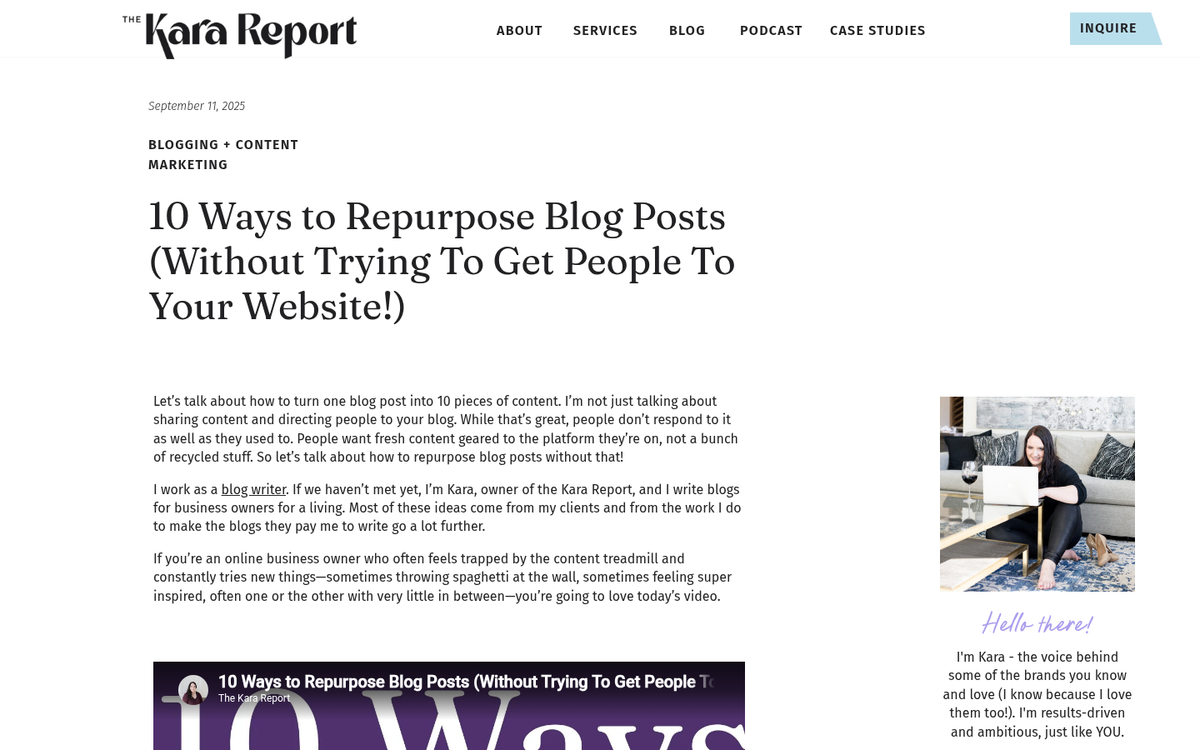
Older content, if you don't want to update it, can be given new life in other ways. For example, you can pare down a blog post into a punchy script and record it in audio as a podcast or in video for YouTube. You can expand it even more into a slide deck. You can add illustrations to it and make it an infographic. One piece of content, which as you might expect, can spiral out into half a dozen pieces, can bring in more traffic.
13. Share Your Posts on Social Media
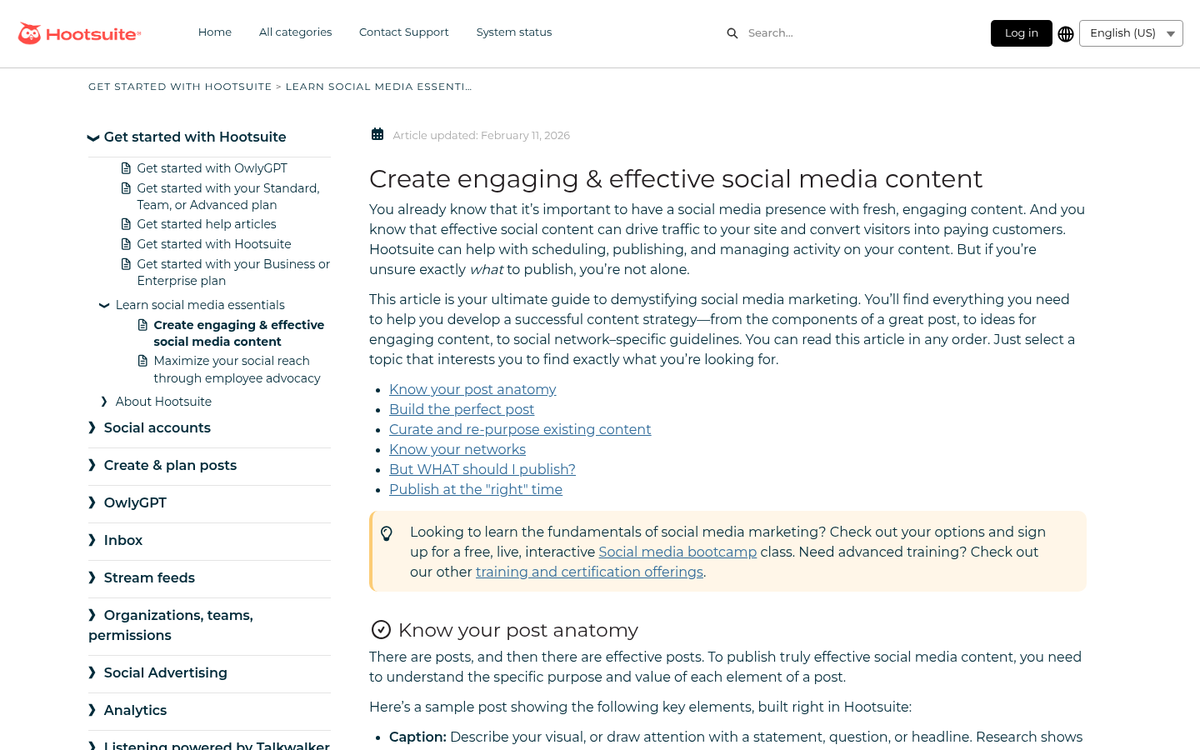
Social media is a core part of content marketing and you should maintain active profiles on the places where your audience actually spends time. Facebook, Instagram, LinkedIn, YouTube, and depending on your niche, TikTok or Pinterest, are all worth thinking about. Share your content when you post it, and again a week or so later. Short-form video content on places like TikTok and Instagram Reels has also become a helpful way to drive traffic back to longer blog content, so keep it in mind as a distribution channel.
14. Consider Paid Advertising for Top Tier Content

Paid advertising isn't necessarily going to do anything for your search ranking on its own. But it can have a secondary effect. When you pay for advertising - and that's also the case on places like Facebook, Instagram, or LinkedIn depending on your audience - you get more exposure to your content, which gives you more shares and traffic. That can spiral into even more organic traffic, which gives you links and citations, which can increase your search ranking. It's a slow track. But it's worth doing if you have the budget to manage it.
15. Give Your Growth Efforts Plenty of Time
I know you've probably heard this a thousand times. But at the end of the day, you basically have to keep going. White hat, organic SEO and marketing take time. You won't be able to publish your first blog post and hit the jackpot. Kind of like a snowball on top of a mountain. Toss a snowball down the slope and it might not do much. But keep tossing them and you can eventually start an avalanche.
That's the power of content - each piece of content can rank on its own. But the more you have, the stronger your content can become. Once you start gaining momentum, your content can start ranking in the top 10, and suddenly you're there - it's a slow, gradual process. But when it works, it's hard to stop.