Key Takeaways
- Auto-sharing blog posts saves significant time, but automation should complement authentic engagement, not replace it entirely.
- Tools like Jetpack Social, Buffer, and Publer offer free plans for basic auto-sharing across multiple social platforms.
- Twitter/X automation has become unreliable since 2023 API changes; creators are shifting toward LinkedIn, Mastodon, and Bluesky.
- AI-powered repurposing tools can now generate platform-native content from a single blog post, transforming multi-channel distribution economics.
- Short-form video platforms like TikTok and YouTube Shorts now support direct scheduling via Buffer, Later, Publer, and Hootsuite.
One of the best things you can do when you publish a new blog post is share a link to that post across your social networks. It keeps your social presence active and drives awareness of your new content. The issue is, manually posting to every platform takes time - and in 2026, with creators expected to maintain a presence across more channels than ever, that friction has only grown; it's why automation tools have become essential for content marketers.
Savvy marketers are always looking for ways to save time via automation. Auto-sharing blog posts is one case where automation can save you significant amounts of time. That's why I've compiled an updated list of tools, plugins and methods you can use to auto-share your posts. Just be careful - automation has its downsides. If your social profile is nothing but automated posts, people aren't going to follow it or connect with it. Use automation for distribution. But make sure that you're still showing up authentically on each platform.
A note on the landscape in 2026: AI has dramatically changed this space. Where relevant, we've noted these upgrades.
1. Jetpack Social

Formerly known as Jetpack Publicize, this remains one of the best options for WordPress users. It's included with Jetpack and integrates well with WordPress.com and WordPress.org. As of 2025-2026, Jetpack Social supports sharing to Facebook, Instagram, LinkedIn, Tumblr, Mastodon and Nextdoor. Twitter/X support has become unreliable because of API changes made after Elon Musk's acquisition, so verify latest compatibility before relying on it. The free plan allows a limited number of auto-shares per month, with paid plans unlocking unlimited sharing and AI-generated social copy for each post.
2. Social Networks Auto Poster (SNAP)
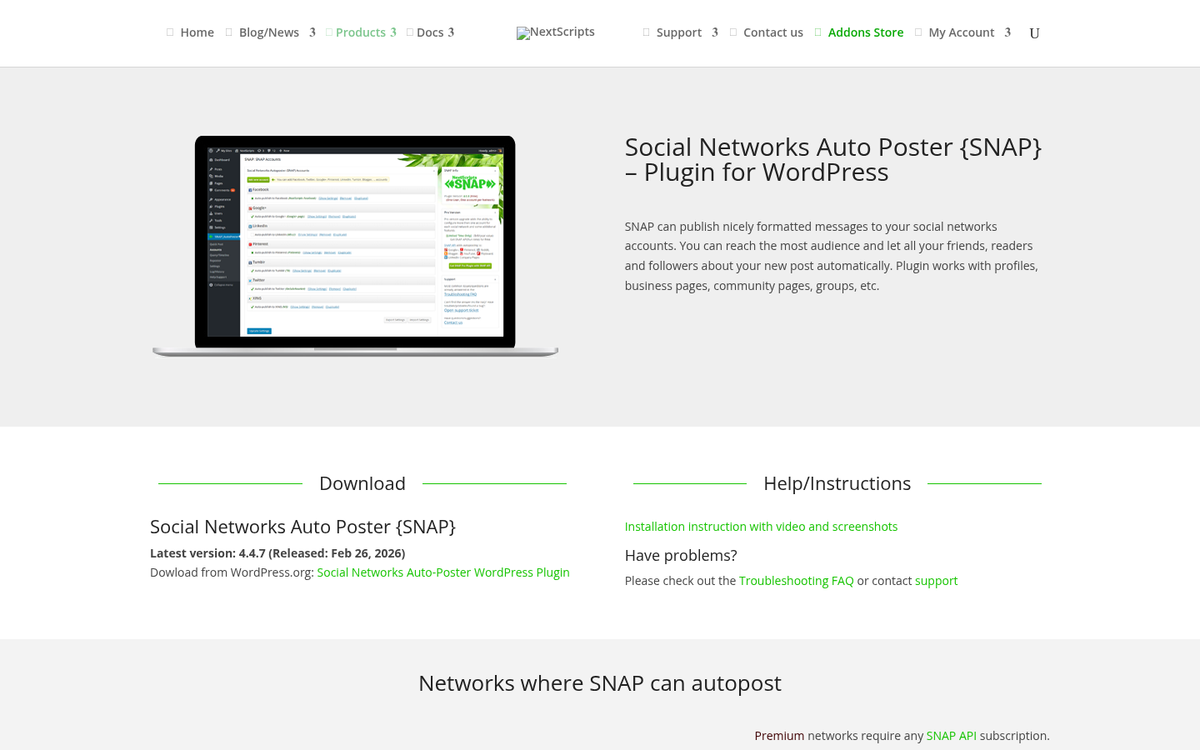
SNAP by NextScripts remains one of the most capable autoshare plugins available for WordPress - it supports a large number of social networks and has stayed well-maintained over the years. That said, its compatibility with newer API restrictions - especially from Meta and Twitter/X - has been inconsistent, so always verify the latest network support list before committing. The free version covers the basics; the pro version unlocks extra networks and additional features.
3. IFTTT
If This Then That remains a solid option for RSS-to-social automation. You set up individual applets for each social network - RSS to LinkedIn, RSS to Facebook, RSS to Mastodon and so on. The free plan is now quite limited (capped at a small number of active applets), so for serious automation you'll probably need the Pro plan. The upside is that IFTTT is endlessly flexible and supports hundreds of integrations well past social media, which makes it a general-purpose automation layer for your workflow. If you use LinkedIn as part of your strategy, it's also worth learning how to promote and grow your blog posts on LinkedIn beyond just automated posting.
4. Zapier
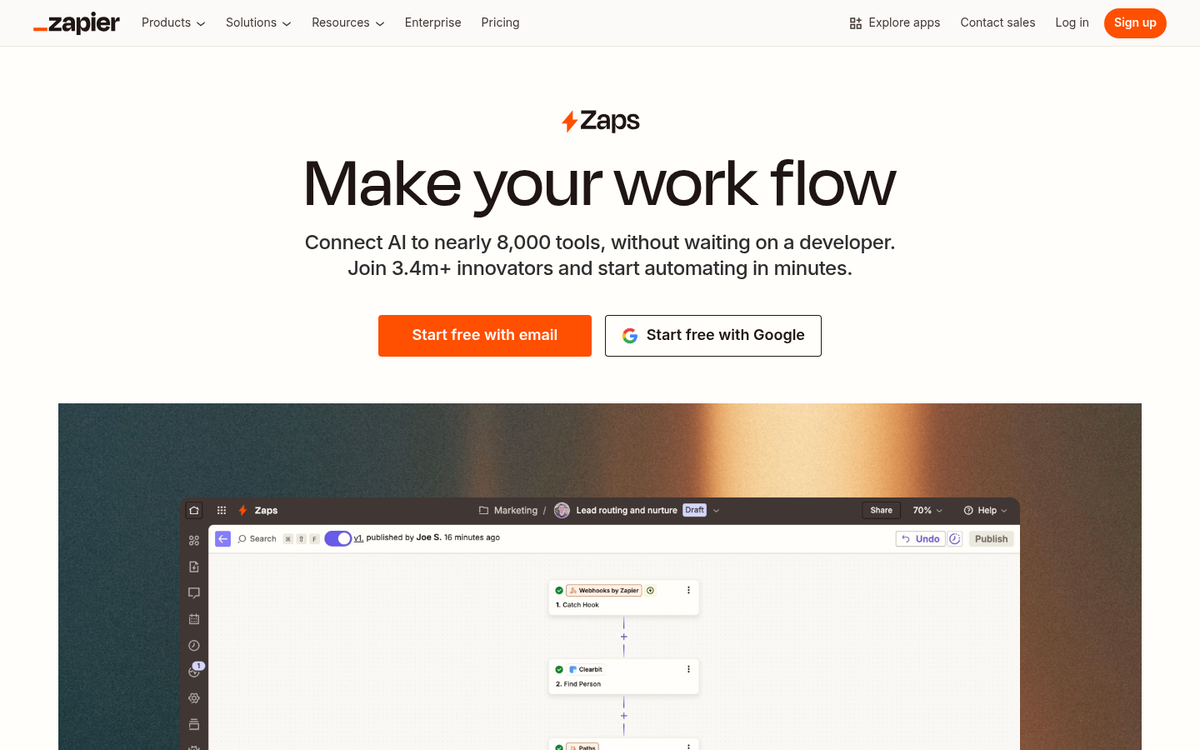
Zapier has become one of the dominant automation platforms for marketers and bloggers in 2026. Similar to IFTTT but with more multi-step workflows, Zapier can connect your RSS feed or WordPress to virtually any social platform, CRM, or email tool - it's especially helpful if you want to trigger social posts, notify a Slack channel and add a row to a spreadsheet all from a single new blog post. The free plan is limited; paid plans start at around $20/month but are worth it for power users.
5. Buffer
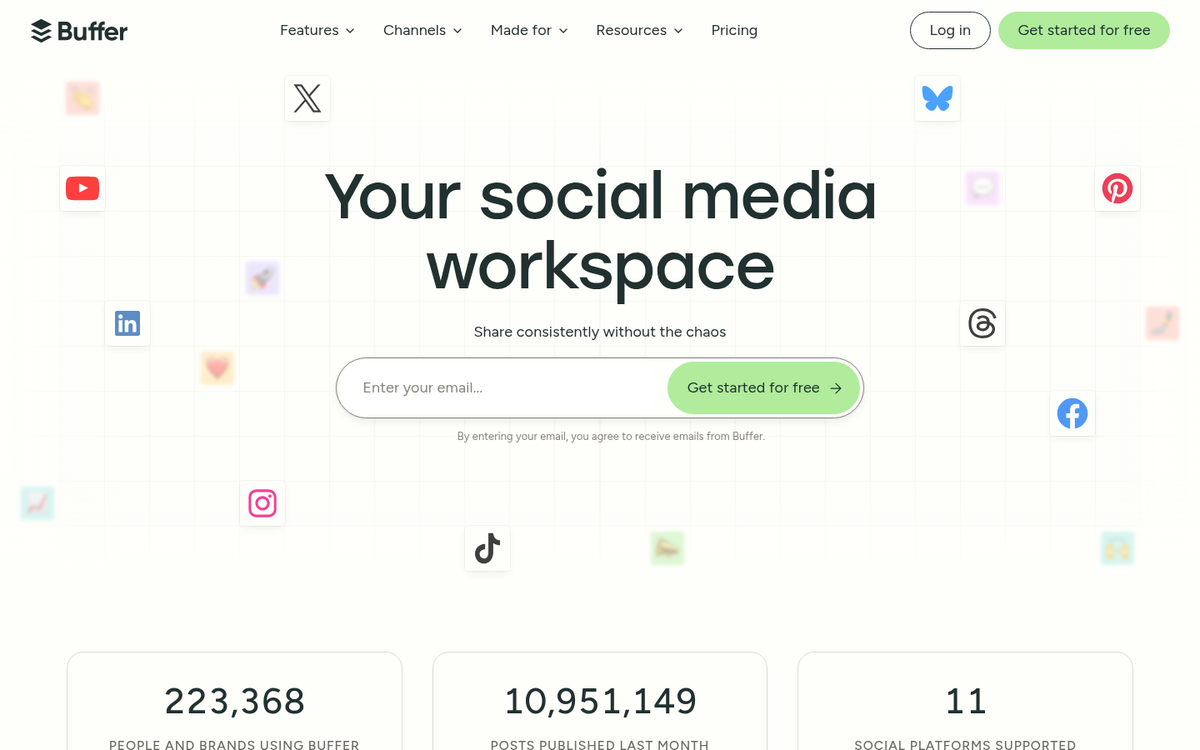
Buffer remains one of the most polished and reliable social scheduling tools available - it supports Facebook, Instagram, LinkedIn, Twitter/X, Pinterest, TikTok, YouTube and Mastodon. The free plan allows up to three social channels and ten scheduled posts per channel. Buffer has also added an AI assistant that helps you repurpose blog content into platform-native captions, which is a meaningful upgrade from its earlier purely-scheduling-focused feature set. Paid plans start at around $6/month per channel.
6. Hootsuite
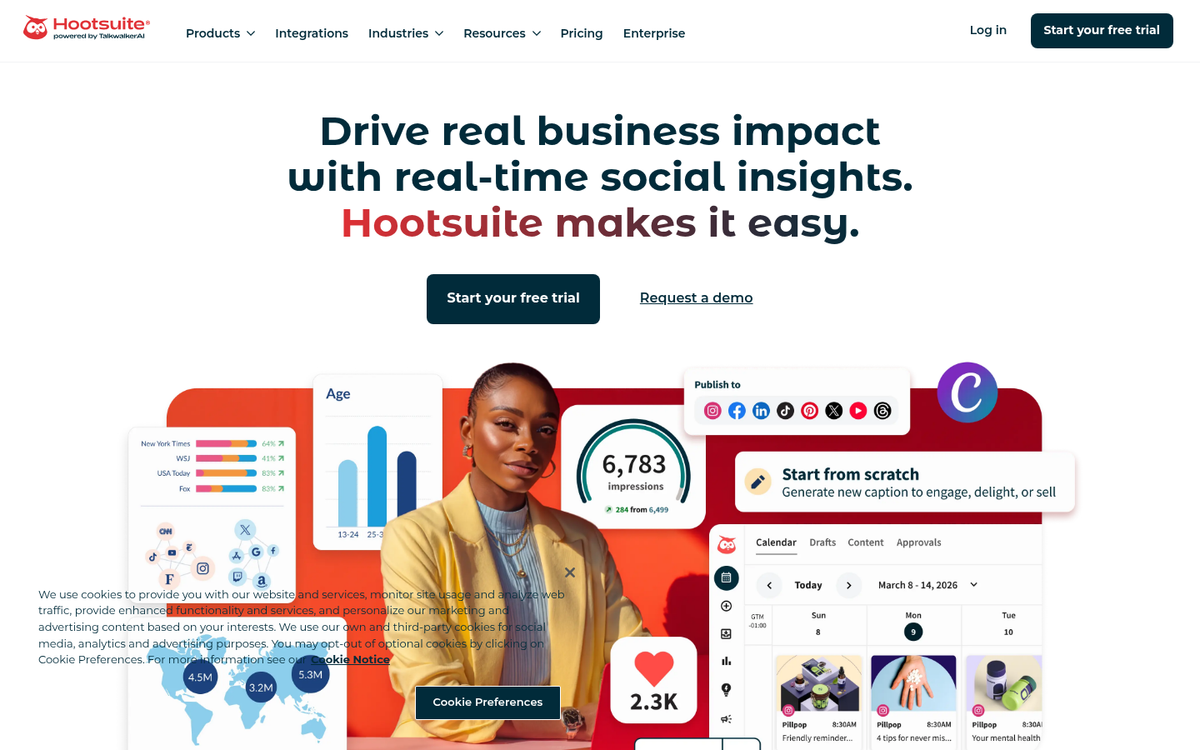
Hootsuite remains a major player in social media management, though it has shifted increasingly upmarket toward agencies and enterprises - it supports platforms like TikTok and YouTube Shorts, has robust scheduling and bulk publishing, and has integrated AI tools for content suggestions and caption generation. The free plan was discontinued in 2023, so you'll need a paid plan - starting at around $99/month - which makes it a better choice for teams than individual bloggers. If you're weighing your options, see our Buffer vs Hootsuite cost and effectiveness comparison.
7. Later
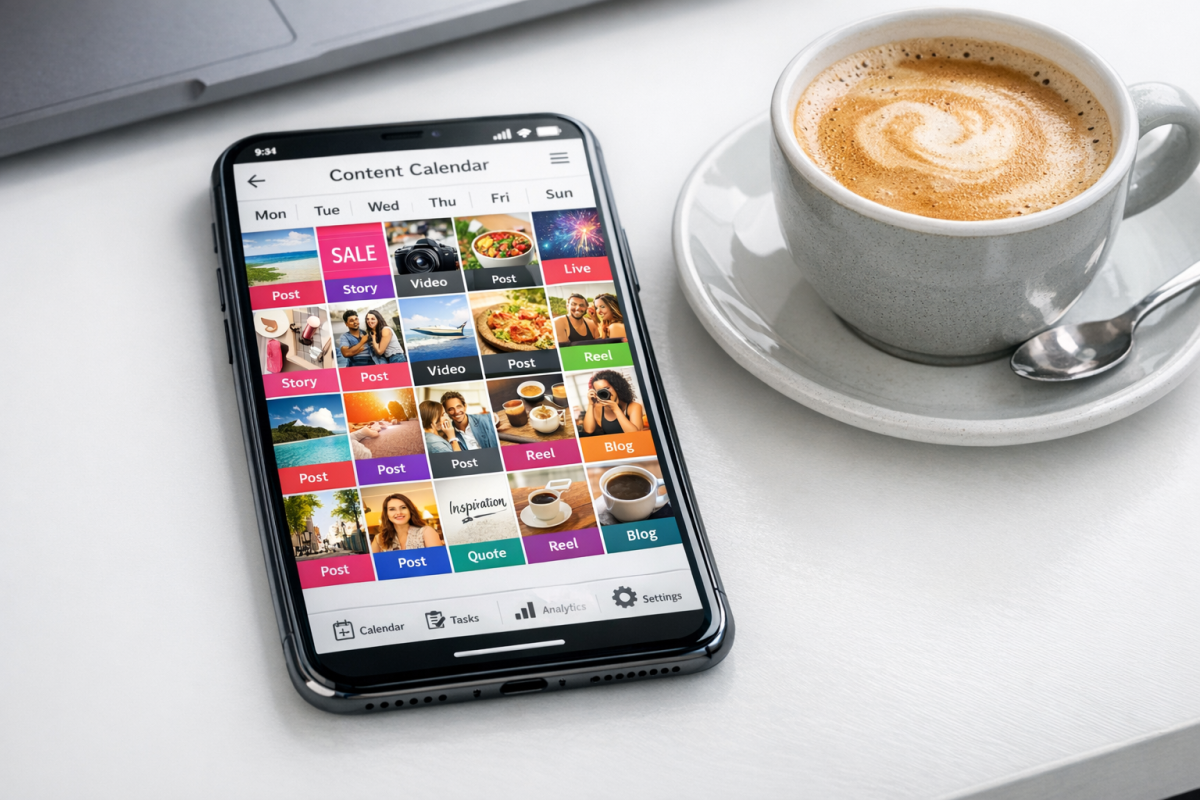
Later started as an Instagram scheduler but has expanded to cover Facebook, TikTok, LinkedIn, Pinterest and Twitter/X. Its visual content calendar and media library make it especially strong for image and video-heavy content. The free plan is pretty limited. But the Starter plan at around $18/month is accessible for individual creators. Later also added AI caption generation and hashtag suggestions, which makes it a more capable tool than it was in its early days.
8. Missinglettr
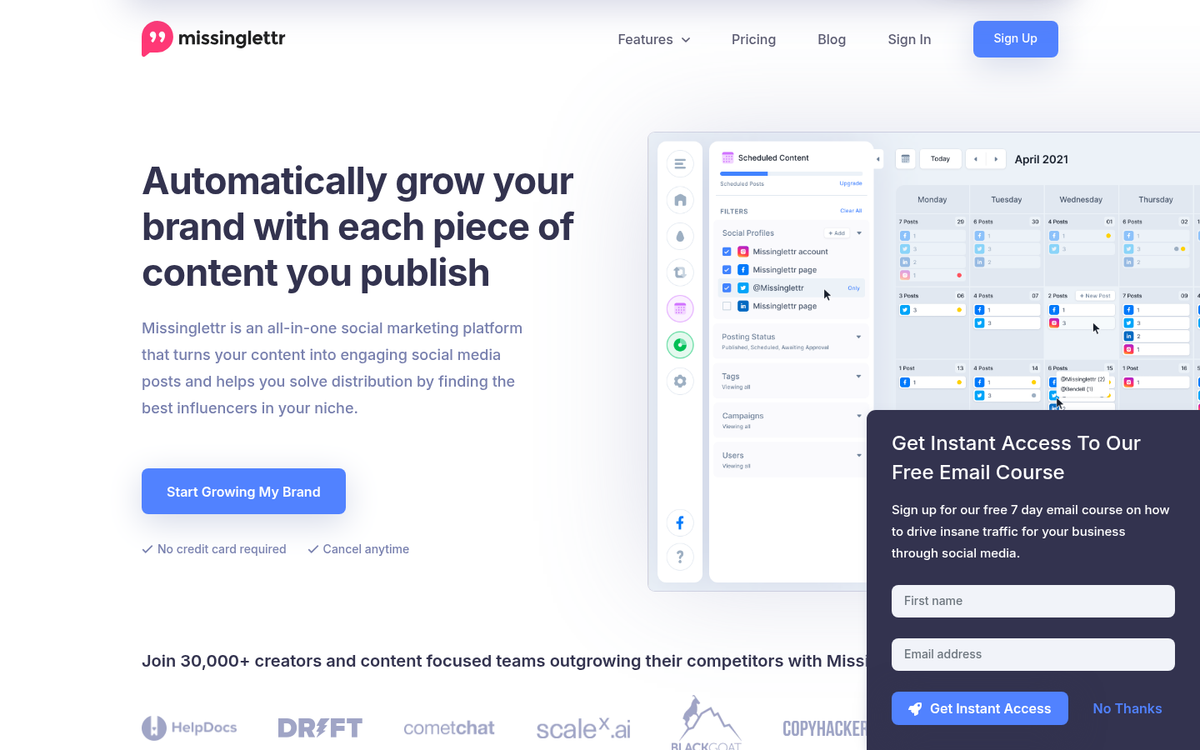
Missinglettr takes a smarter strategy to auto-sharing: instead of just blasting your RSS feed to social media, it analyzes your blog posts and automatically generates a year-long drip campaign of social posts from each piece of content. It's great for extending the shelf life of your best posts without any manual effort - it supports Twitter/X, LinkedIn and Facebook. Plans start at around $9/month. If long-term content recycling is your priority, this is one of the best tools for it.
8. Missinglettr
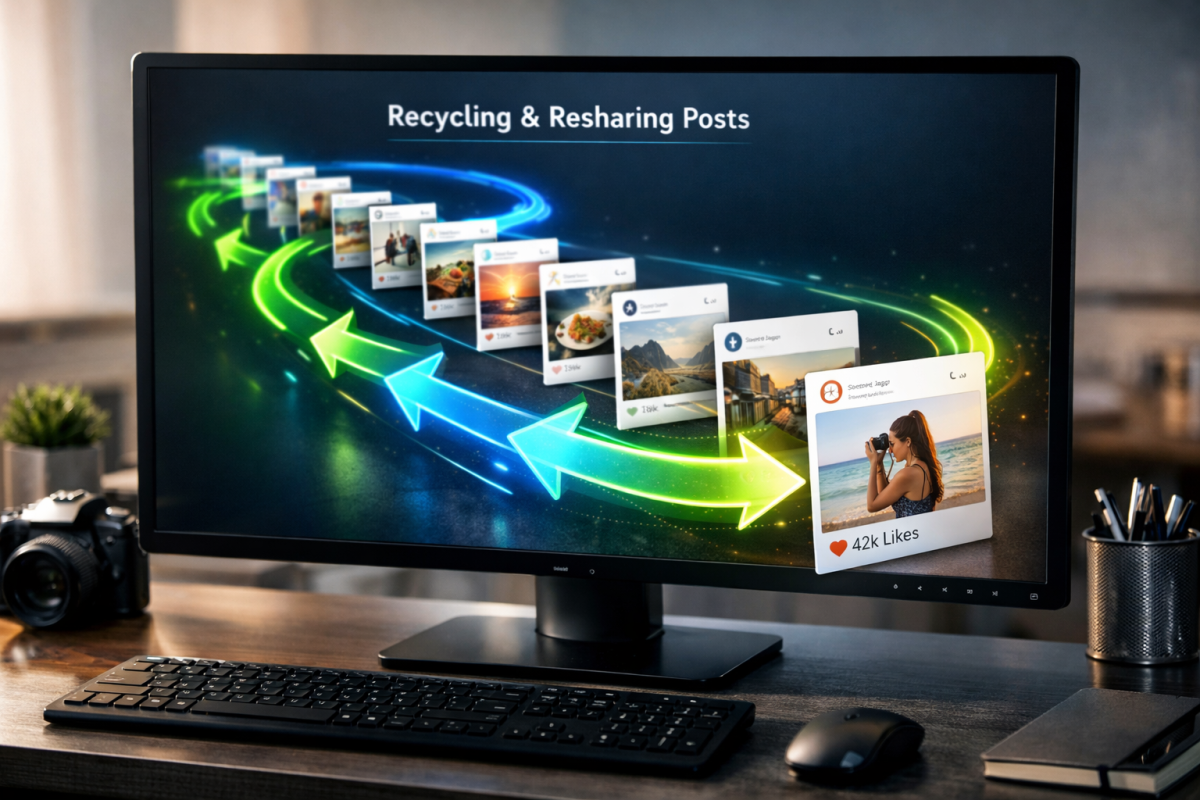
Missinglettr takes a smarter strategy to auto-sharing: instead of just blasting your RSS feed to social media, it analyzes your blog posts and automatically generates a year-long drip campaign of social posts from each piece of content. It's great for extending the shelf life of your best posts without any manual effort - it supports Twitter/X, LinkedIn and Facebook. Plans start at around $9/month. If long-term content recycling is your priority, this is one of the best tools for it.
9. Revive Old Post
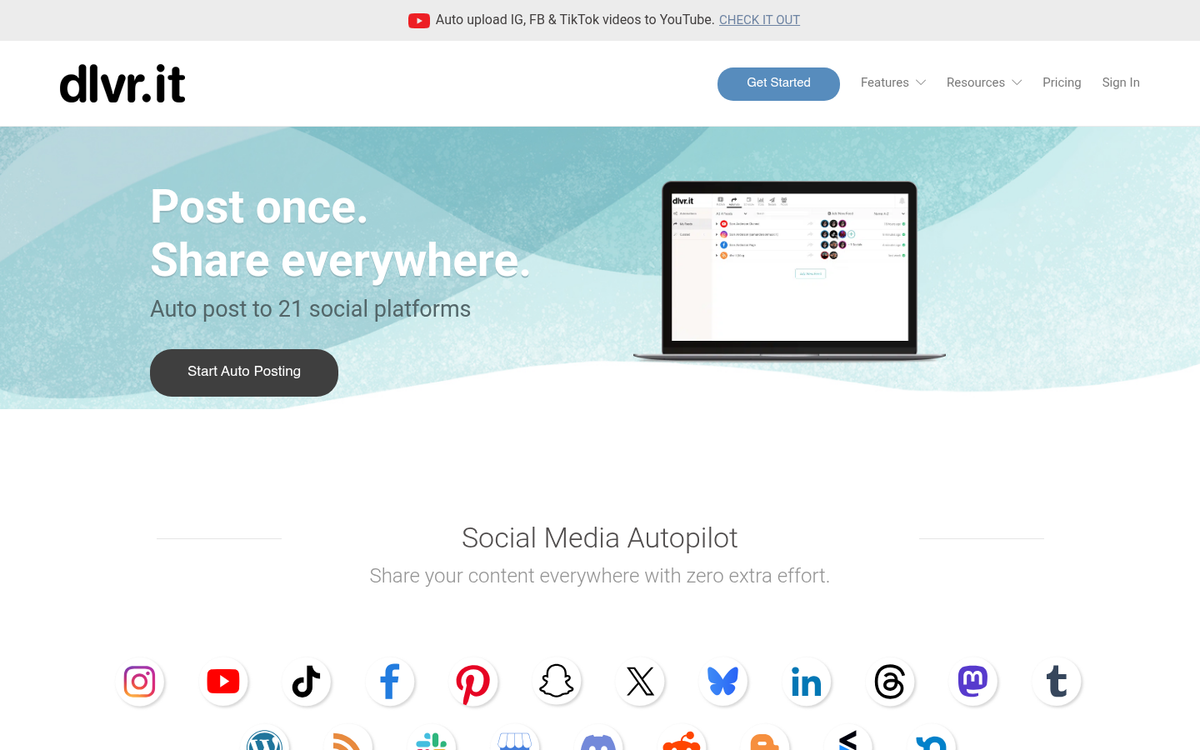
Previously known as Tweet Old Post, Revive Old Post remains a WordPress plugin specifically designed to automatically reshare older content on a rolling schedule - it now supports Facebook, Twitter/X, LinkedIn and a handful of other networks. The free version covers basic resharing; the Pro version unlocks image sharing, custom schedules and extra network support - it's one of the most helpful tools on this list for keeping your archive working.
10. Dlvr.it
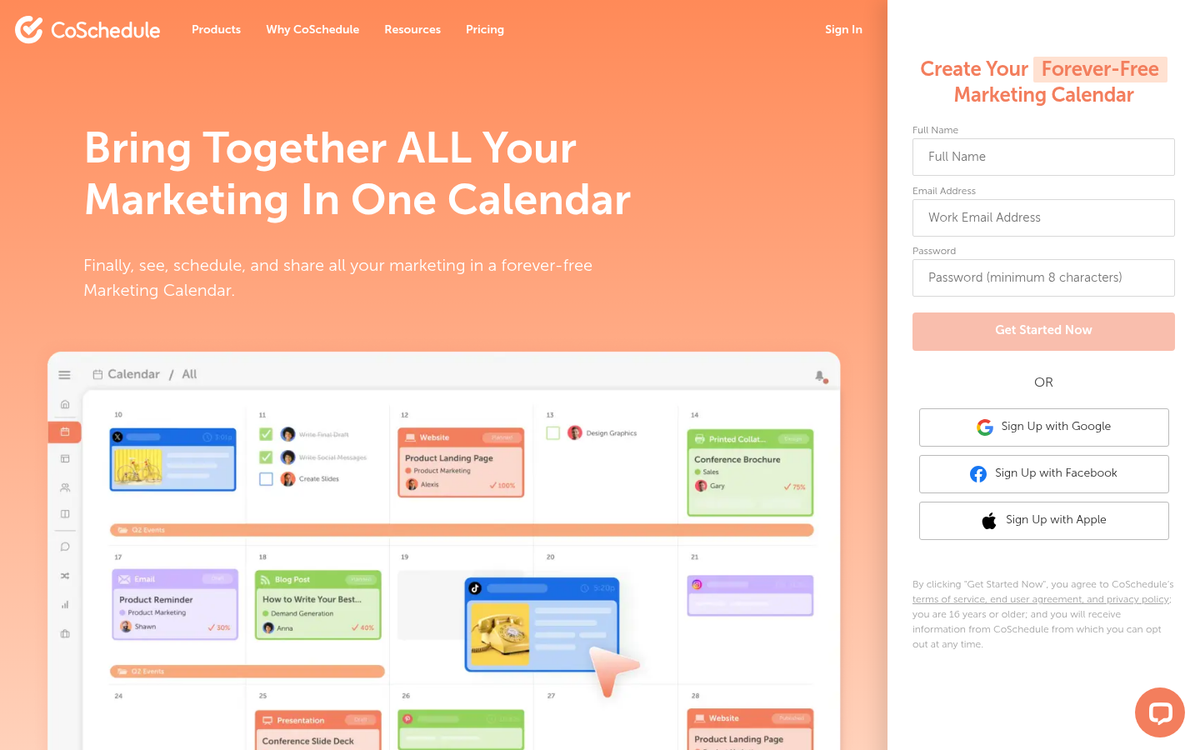
Dlvr.it remains operational and it's one of the oldest RSS-to-social tools still actively maintained - it accepts RSS input and distributes to social networks on a schedule. The free plan is now very limited. But paid plans are reasonably priced and support a large number of platforms - it's not flashy. But it's reliable - especially for LinkedIn and Facebook page posting from RSS.
11. CoSchedule
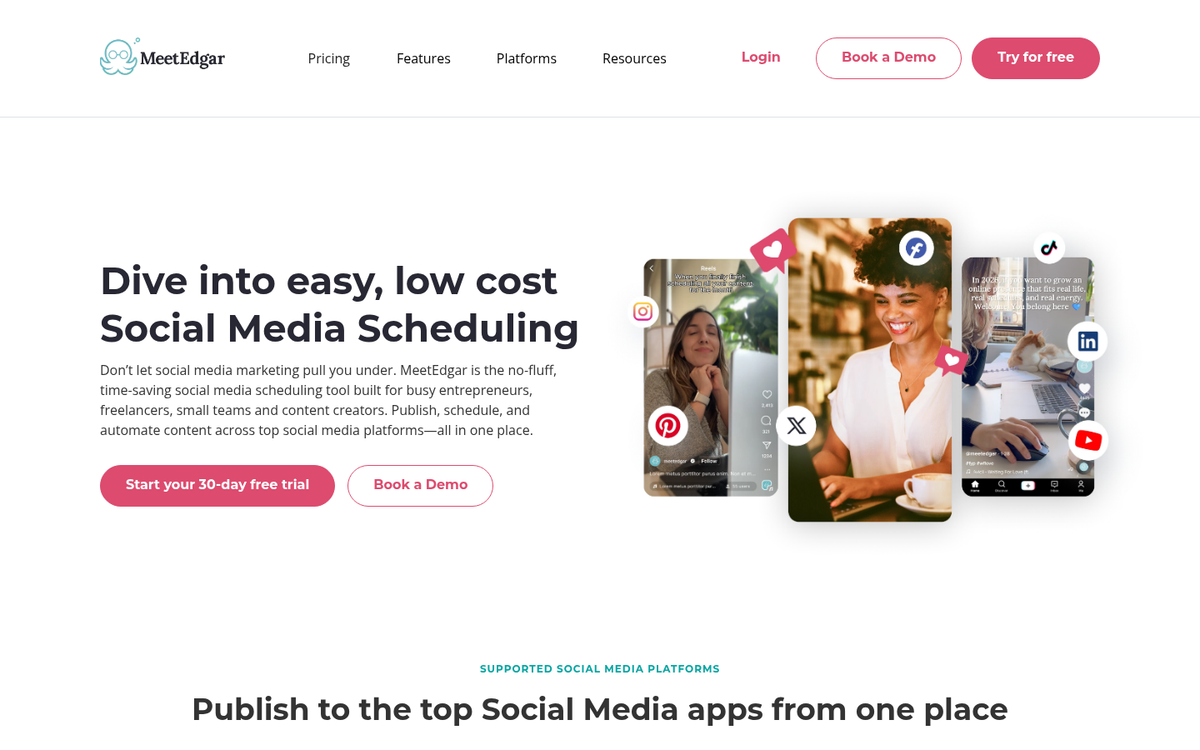
CoSchedule has evolved and it's now one of the more capable marketing calendar platforms available - it goes well past auto-sharing and gives you editorial calendar management, team collaboration, social scheduling and a headline analyzer. The free plan is fairly functional for basic scheduling. But the paid Marketing Calendar plan unlocks more advanced features. If you're managing a content operation instead of a solo blog, CoSchedule is worth consideration.
12. MeetEdgar
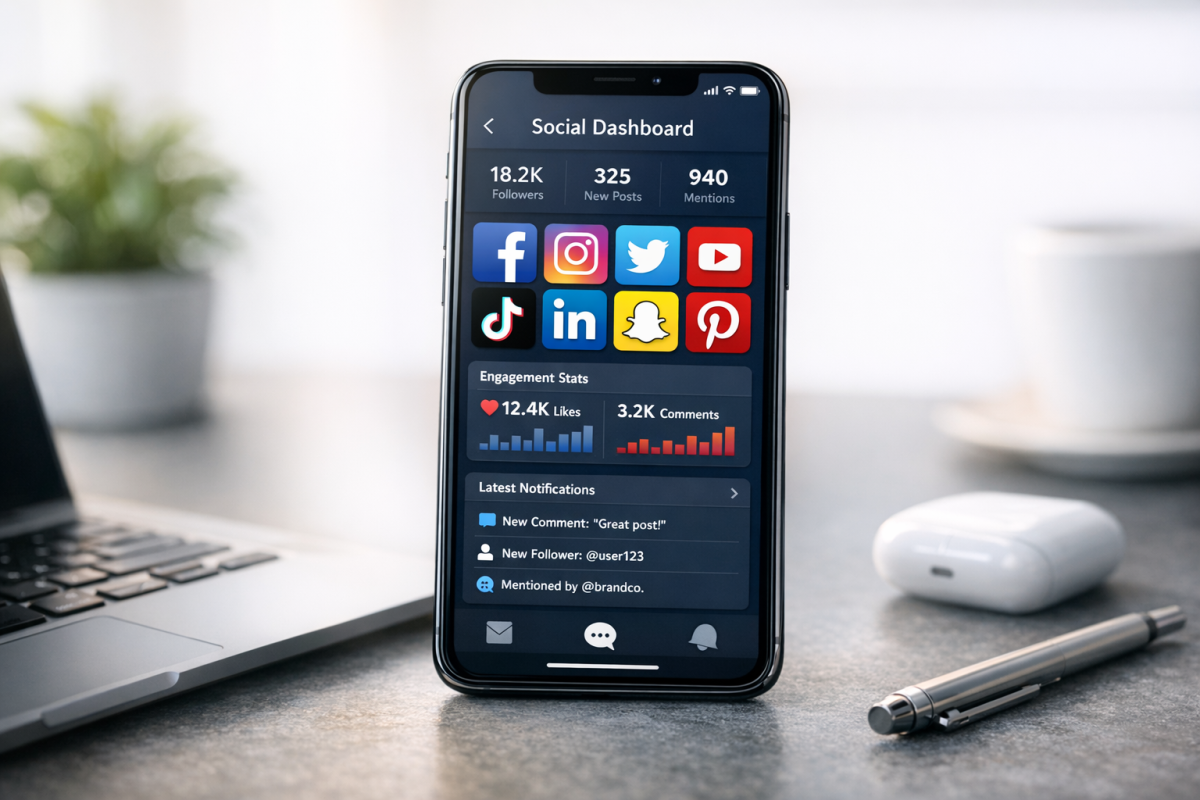
MeetEdgar takes a library-based approach to social scheduling. Rather than a linear queue that runs out, it builds a library of your content and continuously recycles it on a schedule you define. It's especially useful for evergreen blog content - it supports Facebook, Instagram, LinkedIn, Twitter/X, Pinterest and TikTok. Plans start at around $29.99/month. The AI features added in recent updates can also automatically pull quotes and key points from your blog posts to create different social updates from a single post.
13. Publer
Publer is a fast-growing social media scheduling tool that supports Facebook, Instagram, TikTok, LinkedIn, Twitter/X, Pinterest, Google Business Profile, YouTube and Mastodon - one of the broadest platform lists available - it has a legitimately helpful free plan and paid plans start at around $12/month. Publer's AI features include caption generation, hashtag suggestions and content recycling - it's become a legitimate alternative to Buffer and Later, especially for those who need Google Business Profile posting.
14. Predis.ai

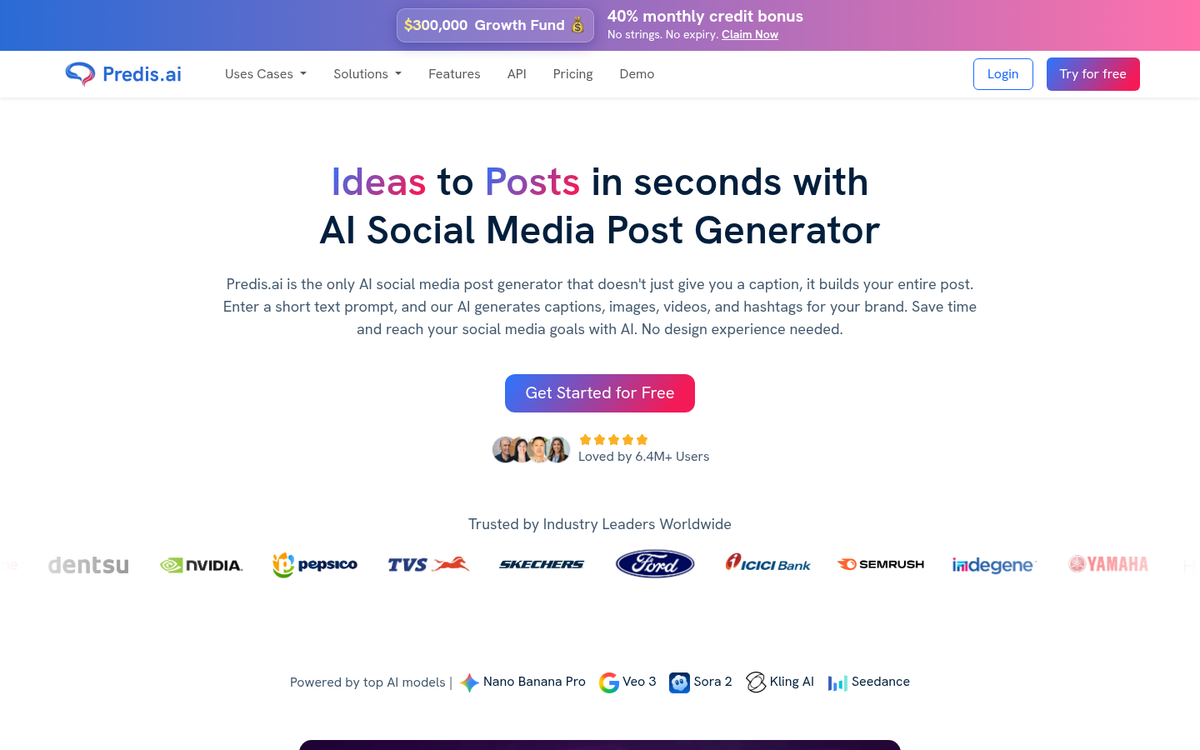
Predis.ai is one of the newer AI-native tools worth including in a 2026 list. It generates social media posts - including designed image posts and short video clips - directly from a blog post URL or topic input - it can cut back on the time between publishing a post and having platform-ready social content for each channel - it supports Instagram, Facebook, LinkedIn, Twitter/X, Pinterest and TikTok. Free and paid plans are available.
15. Lately.ai
Lately.ai uses AI to scan your long-form blog content and automatically generate dozens of social media posts from it, each customized for different platforms - it learns your brand voice over time, which helps with the quality of generated posts the more you use it. It's especially helpful for bloggers with a large content archive they want to keep circulating. Pricing is on the higher end, which makes it more a choice for content teams than solo creators. But it's worth learning about, especially if you're already thinking about which social buttons to display on your posts.
16. WordPress + Make (formerly Integromat)
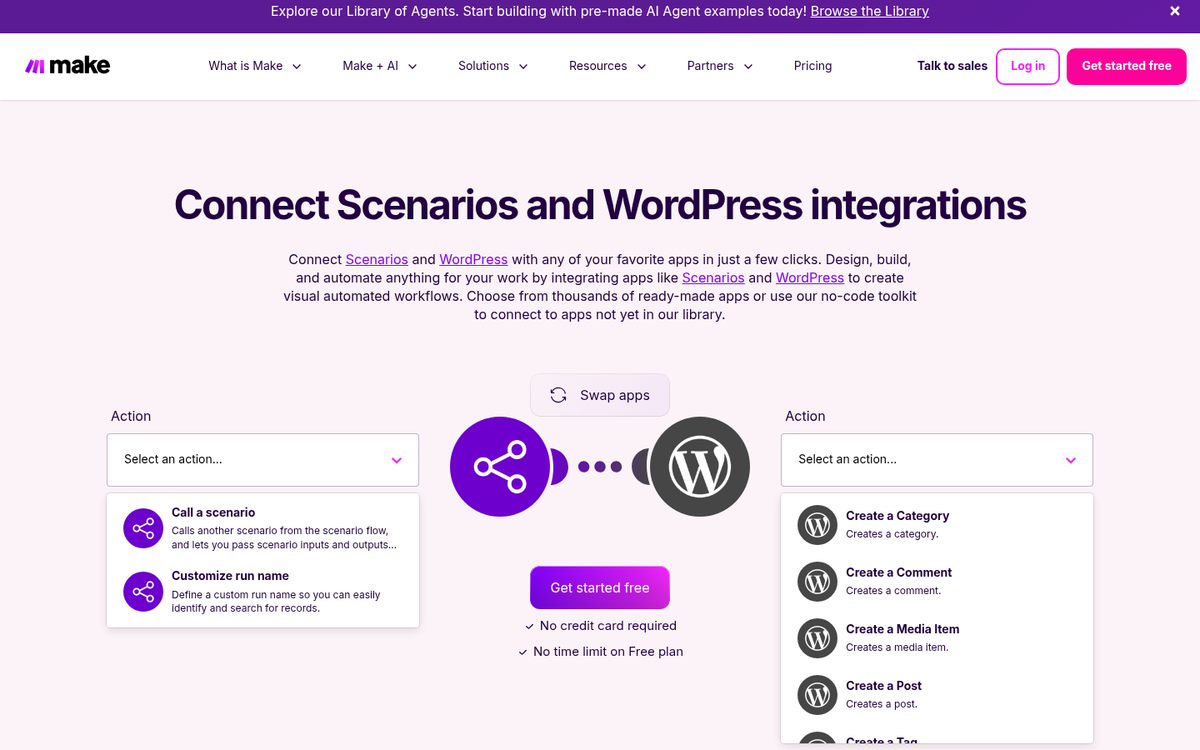
Make (formerly Integromat) is a visual automation platform like Zapier but with more robust branching logic and a more generous free tier. You can build scenarios that trigger on a new WordPress post and then push content to any combination of social networks, Slack, email, or other tools - it has a steeper learning curve than IFTTT. But it is extremely powerful once you have your scenarios configured.
17. Mastodon and the Fediverse

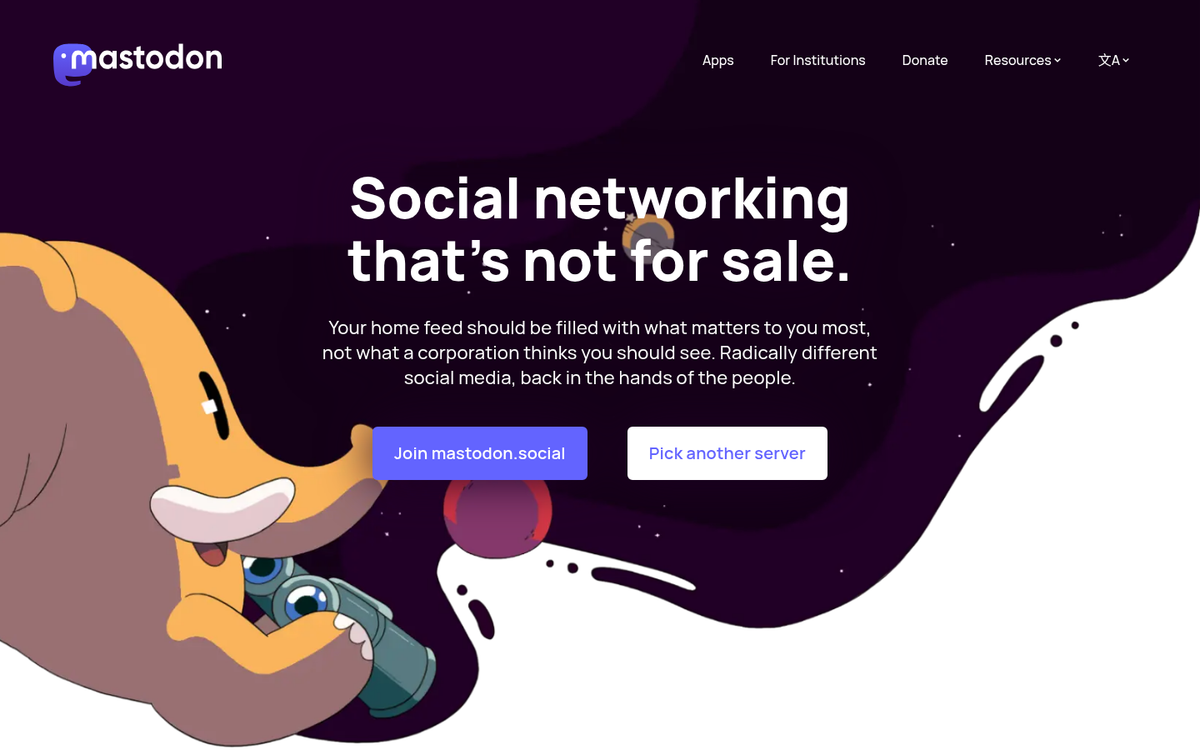
Worth a mention in 2026: the Fediverse - and Mastodon in particular - has grown substantially as an alternative social layer, especially for tech-adjacent and independent creators. Several tools - like Jetpack Social, Buffer, Publer and IFTTT, now support Mastodon posting. If you're building an audience that values decentralization and algorithmic independence, including Mastodon in your auto-share rotation is increasingly worthwhile.
18. TikTok and YouTube Shorts Auto-Posting
Short-form video is no longer optional for content distribution in 2026. Tools like Buffer, Later, Publer and Hootsuite now support direct TikTok and YouTube Shorts scheduling. Beyond that, AI tools like Opus Clip, Descript and Pictory can automatically convert a blog post or long-form video into short-form clips suited for these platforms. If you're not including short-form video in your distribution strategy, you're leaving reach on the table.
19. Reddit - Still Tricky, Still Worth It

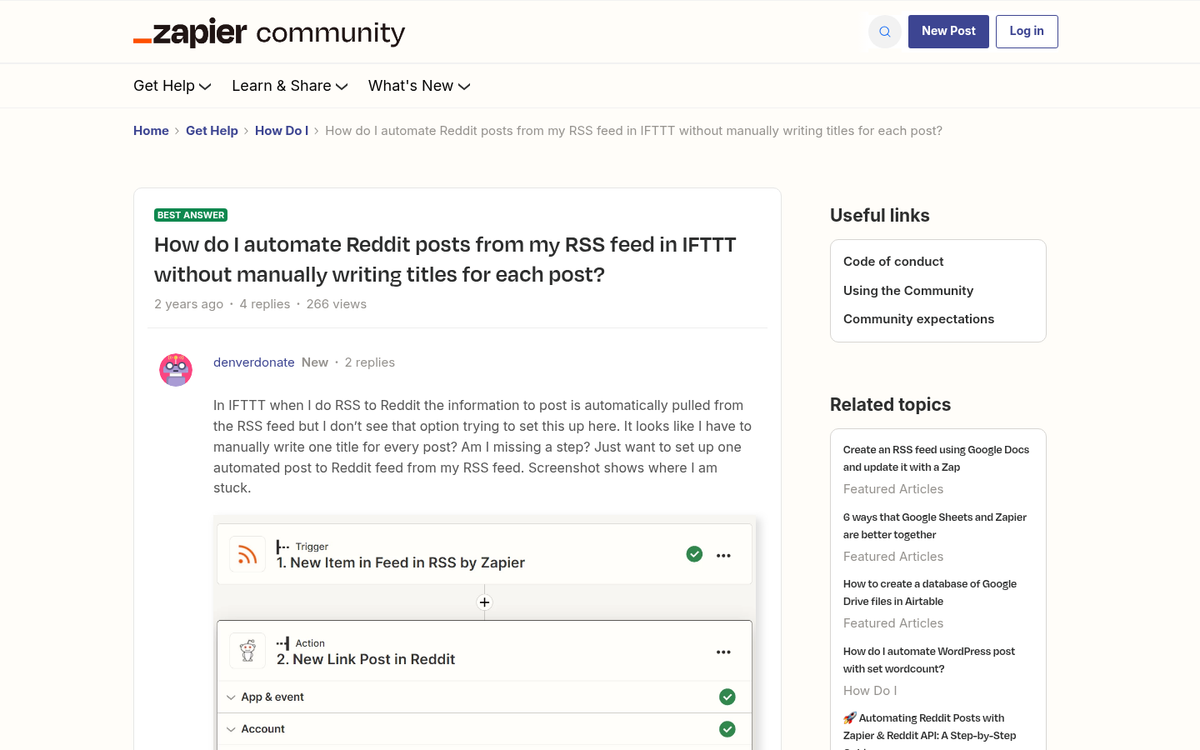
Reddit remains one of the most difficult platforms to automate responsibly. The community is very sensitive to promotional posting and automated submissions frequently get banned. The best strategy is still manual, community-aware participation. That said, if you have a subreddit of your own, you can use IFTTT, Zapier, or Reddit's own API to automate posts there. Treat Reddit as a relationship channel instead of a distribution channel and you'll get quite a bit better results.
20. Pinterest Auto-Posting
Pinterest remains underused by bloggers despite being a long-term traffic driver, especially for lifestyle, food, home, DIY and similar niches. Tailwind remains the dominant Pinterest scheduling tool and has added AI features for pin generation and description writing. Buffer and Later also support Pinterest scheduling. If your content is visually oriented, Pinterest automation is worth setting up.
★ A Word on Twitter/X in 2026
Twitter/X deserves a note. Following the 2023 API changes under Elon Musk, auto-posting tools lost Twitter support or had it degraded. Paid API access became required for most automation, which caused smaller tools to drop Twitter support quickly. As of early 2026, tools like Buffer and Publer still support Twitter/X posting on paid plans. But always verify latest support before building Twitter into your automation stack. The platform's long-term trajectory remains uncertain and creators have deprioritized it in favor of LinkedIn, Mastodon, Bluesky and short-form video platforms.
★ AI-Powered Content Repurposing - The Biggest Change Since 2015
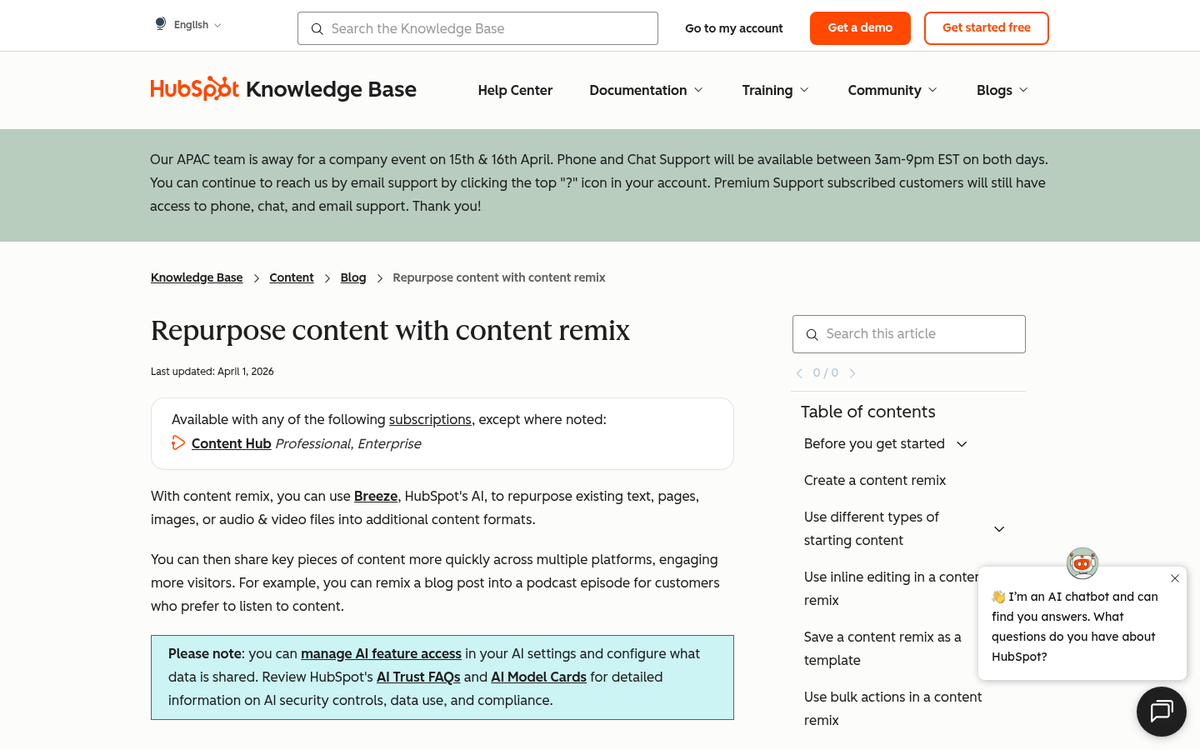
The biggest change in this entire space since the original version of this post was written is AI-powered content repurposing. Tools like ChatGPT, Claude, Jasper and purpose-built repurposing platforms can now take a single blog post and generate platform-optimized versions for every channel - a LinkedIn post, a Twitter/X thread, an Instagram carousel caption, a short-form video script and a Pinterest description - in minutes - this changes the economics of multi-channel distribution significantly. Rather than just auto-posting the same link everywhere, you can now auto-generate legitimately channel-native content at scale. If you're not adding AI repurposing into your publishing workflow in 2026, you're working harder than you need to.
What tools are you using to auto-share your blog posts in 2026? Let us know in the comments below!